In today’s fiercely competitive creative industry, standing out as a character designer isn’t just about talent—it’s about showcasing your skills through a resume that truly captures your unique style and experience.

With studios and agencies constantly on the lookout for fresh voices, having a resume that tells your story effectively can make all the difference. Whether you’re aiming for a role in animation, gaming, or comics, knowing how to craft a standout resume is your first step toward landing that dream job.
Let’s dive into essential tips and strategies that will help your portfolio get noticed and open doors to exciting opportunities. If you’ve been struggling to get callbacks, this guide is exactly what you need to turn things around.
Crafting Your Visual Identity Through Your Resume
Balancing Creativity with Clarity
When it comes to character design resumes, you want your creativity to shine without sacrificing readability. It’s tempting to use flashy fonts or over-the-top layouts, but hiring managers typically skim dozens of applications.
I’ve found that a clean, well-organized format that subtly reflects your style works best. Think about incorporating small graphic elements or a unique color palette that matches your portfolio’s vibe, but keep the overall structure straightforward.
Use consistent headings, bullet points, and spacing to guide the reader’s eye naturally through your experience and skills.
Highlighting Key Projects with Impact
Don’t just list projects—tell a story about the impact you made. For example, instead of simply stating “Designed characters for XYZ game,” try “Developed diverse character concepts for XYZ game, resulting in positive player feedback and increased engagement.” Adding quantifiable results or recognition helps your resume pop.
From my experience, recruiters appreciate when designers show the “why” behind their work, revealing their problem-solving skills and creative thinking.
Tailoring Your Resume for Each Opportunity
One size rarely fits all in this industry. If you’re applying for animation studios, emphasize your skills in dynamic poses and expressions. For gaming companies, focus on versatility and technical knowledge like rigging or 3D modeling basics.
I’ve personally seen a boost in interview callbacks when I customized my resume to reflect the job description’s priorities. It shows you’ve done your homework and genuinely want that role, rather than sending a generic application.
Showcasing Your Technical Skills and Software Proficiency
Listing Tools That Matter Most
Studios expect character designers to be fluent in industry-standard software. Beyond just naming programs like Photoshop or Blender, mention your proficiency level and how you’ve applied these tools in projects.
For instance, “Expert in Photoshop for texturing and concept art” sounds stronger than just “Photoshop.” From my own applications, adding brief context about how you used each tool gives recruiters a clearer picture of your workflow.
Demonstrating Adaptability to Emerging Technologies
The creative industry evolves fast. If you’ve experimented with VR character design, motion capture, or AI-assisted tools, make sure to include that. Even if you’re not an expert yet, showing willingness and some experience with new tech can set you apart.
I once landed a freelance gig after highlighting my basic knowledge of Unreal Engine character integration, a skill that wasn’t common among other applicants.
Including Soft Skills That Complement Your Craft
Technical skills are crucial, but soft skills like communication, collaboration, and time management often tip the scales. When I revamped my resume, I added a brief section on teamwork and client feedback handling, which helped portray me as a well-rounded professional.
These skills are especially important when working remotely or in cross-disciplinary teams, which is increasingly common.
Structuring Your Work Experience to Maximize Impact
Prioritizing Relevant Roles and Achievements
Not all past jobs need equal attention. Focus on those that showcase your growth as a character designer. I usually start with my most recent and relevant roles, detailing specific accomplishments instead of generic duties.
For example, “Led character redesign for ABC project, improving visual consistency across episodes” sounds much more engaging than “Worked on character design.” Highlighting your contribution’s value builds credibility.
Using Action Verbs to Energize Descriptions
Action verbs bring your experience to life. Words like “conceptualized,” “collaborated,” “streamlined,” and “innovated” convey initiative and results.
I noticed that replacing passive phrases with energetic verbs made my resume feel more dynamic and convincing. This small tweak can make a big difference when recruiters scan quickly.
Incorporating Freelance and Personal Projects
Freelance gigs and passion projects can demonstrate versatility and self-motivation. I’ve had success listing these alongside traditional jobs, especially when they involved well-known clients or unique challenges.
Describing how you managed timelines or client revisions shows professionalism beyond just artistic skill. If a project received public recognition or was featured somewhere, don’t hesitate to mention that either.
Optimizing the Resume Layout for Readability and Engagement
Choosing the Right Font and Spacing
Fonts like Helvetica, Calibri, or Arial offer a modern, clean look that’s easy on the eyes. Avoid overly stylized fonts that might look cool but reduce legibility.
Adequate line spacing and margins prevent your resume from feeling cramped, making it easier for recruiters to scan. I personally tweak spacing until each section breathes comfortably without wasting space.
Utilizing Visual Hierarchy to Guide Attention
Use font size, weight, and color strategically to emphasize section titles, job titles, or key achievements. Bold headers and subtle color highlights can help important info pop without overwhelming the design.
When I applied this method, recruiters frequently commented on how easy it was to find relevant details quickly.
Incorporating Portfolio Links and Contact Info Prominently
Your portfolio is your strongest selling point. Make sure the URL is easy to spot, ideally near the top or in a dedicated contact section. I’ve also started adding clickable links in digital resumes, which makes it effortless for hiring managers to jump straight to my work.
Including multiple contact methods like email, phone, and LinkedIn adds convenience.
Using Keywords and Phrases to Pass Applicant Tracking Systems
Researching Industry-Specific Terminology
Many studios use ATS software to filter resumes before human eyes see them. Including relevant keywords from the job description is essential to pass these filters.
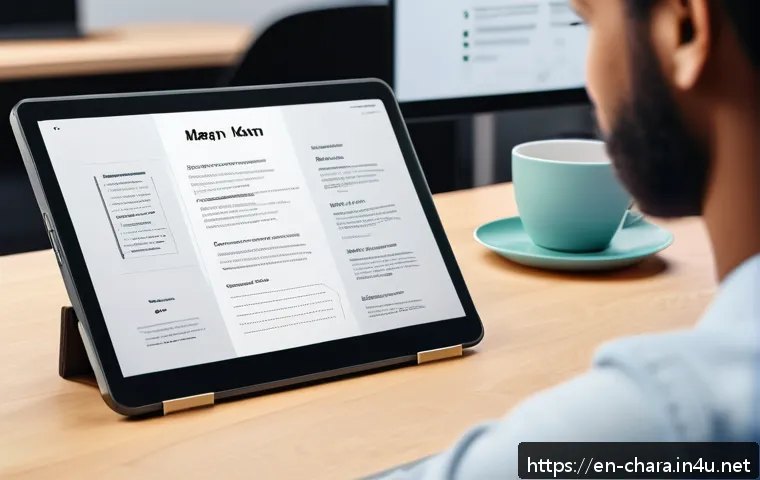
For example, if a listing mentions “character rigging,” “concept art,” and “3D modeling,” make sure those terms appear naturally in your resume. I once missed out on an interview because my resume lacked a few critical keywords, so this step is a must.
Integrating Keywords Seamlessly
Avoid stuffing keywords awkwardly. Instead, weave them into your project descriptions and skills sections where they fit organically. This approach keeps your resume readable and authentic, which I believe resonates better with both ATS and recruiters.
For instance, saying “Created detailed 3D character models using Maya for mobile game development” is both keyword-rich and clear.
Updating Your Resume Regularly
The creative field changes fast, and so do job requirements. I make it a habit to review and tweak my resume every few months, adding new skills or removing outdated ones.
This keeps it fresh and aligned with current industry standards, increasing your chances of landing interviews.
Balancing Professionalism with Personal Flair
Injecting Personality Without Overdoing It
Your resume should reflect who you are as a designer, but there’s a fine line between personality and professionalism. Adding a brief tagline or a personal mission statement at the top can set the tone.
I like to include a short line about my passion for storytelling through character art, which sparks curiosity without sounding gimmicky.
Using Testimonials and Endorsements Strategically
Including a short quote from a former employer or client praising your work can boost credibility. I usually place one or two relevant testimonials near the end of my resume or in a cover letter.
This personal endorsement often reassures recruiters about your work ethic and talent.
Maintaining Consistency Across All Application Materials
Your resume, cover letter, and portfolio should feel like parts of the same story. I always match fonts, colors, and tone across these materials to create a cohesive impression.
This consistency shows attention to detail and professionalism, which are highly valued in creative fields.
Understanding What Recruiters Really Look For
Prioritizing Quality Over Quantity
Recruiters typically spend less than a minute scanning your resume, so every word counts. From my experience, it’s better to have a concise, impactful resume than a long list of mediocre details.
Focus on your best work and most relevant experiences to keep the reader engaged.
Demonstrating Problem-Solving and Collaboration
Character design isn’t just about drawing; it’s about solving visual storytelling challenges and working well with others. Highlighting instances where you collaborated with writers, animators, or developers can make your resume stand out.
For example, mentioning how you adapted character designs based on team feedback shows flexibility and teamwork.
Showing Passion and Continuous Learning
The best designers are always growing. Mentioning workshops, courses, or self-initiated projects you’ve completed signals your commitment to improvement.
I’ve noticed that recruiters respond well when candidates show eagerness to learn and evolve alongside the industry.
| Resume Section | Key Focus | Tips for Maximum Impact |
|---|---|---|
| Contact Information | Accessibility and clarity | Include clickable portfolio links, multiple contact methods, place prominently |
| Summary/Objective | Personality and passion | Write a brief, engaging tagline that reflects your style and goals |
| Skills | Technical and soft skills | List proficiency levels, include relevant software and teamwork abilities |
| Work Experience | Relevant achievements | Use action verbs, quantify impact, tailor to job description |
| Projects & Freelance | Versatility and initiative | Highlight client feedback, challenges overcome, and recognition |
| Education & Training | Continuous learning | Include workshops, courses, certifications related to character design |
| Testimonials | Credibility | Incorporate short endorsements from past clients or supervisors |
In Conclusion
Crafting a standout character design resume is about striking the perfect balance between creativity and clarity. By showcasing your skills thoughtfully and tailoring your resume for each opportunity, you can truly capture the attention of recruiters. Remember, your resume is not just a list—it’s a reflection of your unique artistic identity and professional journey.
Helpful Tips to Keep in Mind
1. Always customize your resume to align with the specific job requirements, highlighting the skills and experiences that matter most for each role.
2. Use clear, professional fonts and maintain consistent formatting to make your resume easy to read and visually appealing.
3. Incorporate quantifiable achievements and storytelling elements to demonstrate the real impact of your work.
4. Keep your technical skills up to date and don’t hesitate to mention your adaptability to new tools and technologies.
5. Include multiple contact options and direct links to your portfolio for quick and easy access by recruiters.
Key Takeaways
Focus on clarity and relevance by prioritizing your most impactful experiences and skills. Use action-driven language to bring your achievements to life and avoid generic descriptions. Maintain a consistent style across all application materials to strengthen your professional brand. Finally, stay current with industry trends and continuously update your resume to reflect your growth and adaptability.
Frequently Asked Questions (FAQ) 📖
Q: What key elements should I include in my character designer resume to stand out?
A: To make your character designer resume truly stand out, focus on highlighting your unique artistic style and relevant experience. Include a clear summary that showcases your passion and specialization, such as animation, gaming, or comics.
List your technical skills—like proficiency in Adobe Photoshop, Illustrator, or 3D modeling software—and emphasize any projects where your designs were successfully implemented.
Don’t forget to add links to your online portfolio or demo reel so employers can see your work firsthand. Tailoring your resume to each job description by matching keywords and showcasing relevant projects can also boost your chances of getting noticed.
Q: How can I effectively showcase my portfolio alongside my resume?
A: Your portfolio is often what lands you the interview, so it’s crucial to present it professionally and accessibly. Create a clean, easy-to-navigate online portfolio that highlights a range of your best character designs, demonstrating versatility and creativity.
Include brief descriptions explaining the concept, tools used, and your role in each project to provide context. Embedding a link to your portfolio prominently on your resume and in your email signature ensures hiring managers can easily find it.
From my own experience, recruiters appreciate portfolios that not only show finished artwork but also process sketches and iterations, as it reveals your creative thinking and problem-solving skills.
Q: What are common mistakes to avoid when applying for character design positions?
A: One of the biggest pitfalls is submitting a generic resume that doesn’t reflect the specific role or company you’re targeting. Avoid cluttering your resume with unrelated skills or lengthy paragraphs; instead, keep it concise and focused.
Another mistake is neglecting to update your portfolio regularly—outdated samples can hurt your credibility. Also, don’t overlook the importance of proofreading; typos or formatting errors can give an impression of carelessness.
Finally, failing to include contact information or portfolio links clearly can cost you valuable opportunities. From what I’ve seen in the industry, attention to detail in your application materials signals professionalism and genuine interest in the position.