In today’s fast-evolving creative landscape, character design has become more vital than ever for artists aiming to make their mark. Whether you’re crafting heroes for games or icons for storytelling, avoiding common design pitfalls can transform your work from ordinary to unforgettable.
Lately, the surge in digital art tools and social media exposure has raised the bar, making it crucial to refine your techniques. I’ve faced these challenges firsthand and discovered practical fixes that truly elevate character art.
Join me as we explore how to overcome these hurdles and bring your characters to life with confidence and flair. This journey promises insights that every aspiring artist will find invaluable.
Mastering Proportions: The Backbone of Dynamic Characters
Understanding Anatomical Balance
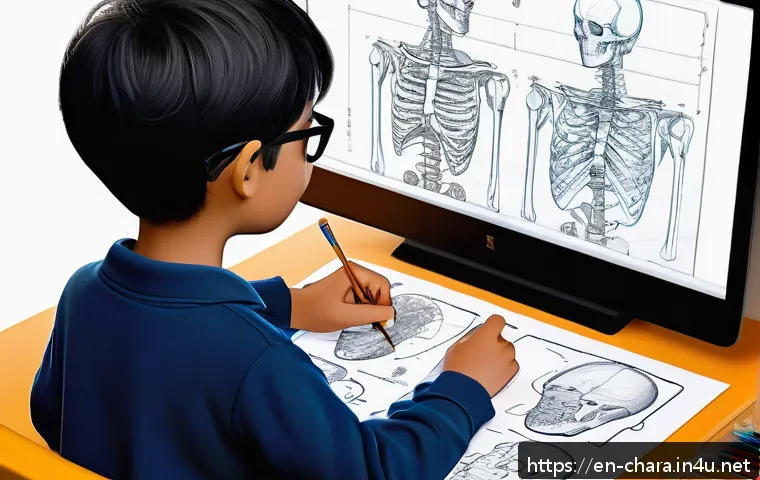
Achieving believable character proportions is often the first hurdle for many artists. When the anatomy feels off, even the most creative design can lose its impact.
From my experience, focusing on the skeletal structure and muscle groups before adding details helps build a strong foundation. It’s tempting to dive straight into clothing or facial features, but neglecting the basics can make characters feel stiff or awkward.
A helpful trick I’ve picked up is using simple shapes to map out the body’s flow and then refining from there. This approach not only saves time but also ensures your character moves and poses naturally.
Adjusting Stylization Without Losing Realism
Stylized characters, especially in game art or animation, walk a fine line between exaggeration and credibility. Overdoing proportions—like huge heads or elongated limbs—can sometimes alienate your audience if it feels inconsistent.
What worked for me was setting clear rules for the level of stylization before starting the design. For example, in a fantasy game project, I kept heads about twice the size of realistic proportions to keep expressions readable, but made sure the body still followed believable weight distribution.
This balance keeps your character approachable yet visually distinct.
Practical Exercises to Train Your Eye
One of the best ways to improve proportional accuracy is through targeted practice. I’ve found that life drawing sessions, even short ones, dramatically sharpen observation skills.
Another method is dissecting character models from popular games or movies to understand their construction. Additionally, sketching the same character from multiple angles reinforces spatial awareness.
If you’re pressed for time, quick thumbnail sketches focusing solely on silhouette and proportion can be surprisingly effective in training your instincts.
Color Harmony and Palette Choices That Speak Volumes
Choosing Colors That Reflect Character Personality
Color isn’t just decoration; it communicates mood, background, and even story. When I first started, I often picked colors that “looked cool” without thinking about the character’s role or traits.
Over time, I realized that aligning palette choices with personality traits—like warm reds for fiery temperaments or cool blues for calm, mysterious figures—adds depth.
Experimenting with muted tones versus vibrant colors can also shift the emotional tone dramatically. Don’t shy away from testing variations; sometimes the right shade can transform your entire design.
Balancing Contrast and Unity
A common mistake is either overloading the palette with too many contrasting colors or sticking to one bland hue. Both extremes dull the character’s visual appeal.
What I learned is the power of complementary colors that create eye-catching contrast while maintaining harmony. Using a limited palette of three to five colors usually works best, where one color dominates and the others support.
Tools like Adobe Color or Coolors can help generate balanced palettes, but nothing beats tweaking by eye to suit your unique style.
Implementing Color Psychology in Design
Beyond aesthetics, colors trigger subconscious responses. Red can energize or alarm, green evokes growth or envy, and purple suggests mystery or royalty.
When designing characters, considering these psychological effects helps make them memorable and relatable. For example, a villain might wear dark purples or deep reds to invoke unease, while a hero might have brighter, more optimistic tones.
From personal experience, incorporating these subtle cues has helped my characters resonate more strongly with audiences.
Creating Expressive Faces That Tell Stories
Capturing Emotion Through Subtle Details
Facial expressions are the heart of character connection. Early in my journey, I overlooked how small changes—like the curve of an eyebrow or the tilt of a mouth—could completely alter the character’s perceived mood.
It’s not about exaggerated expressions alone but about the nuanced interplay of features. Practicing with photo references or mirroring your own expressions in a mirror can be incredibly revealing.
I’ve found that layering micro-expressions adds realism and depth, making characters feel alive rather than static portraits.
Mastering Eye Design for Impact
Eyes are often called the windows to the soul, and for good reason. The shape, size, and even the placement of pupils can dramatically influence how a character is read.
I noticed that adjusting eye size and spacing helped me create a wide range of archetypes—from innocent and wide-eyed to cunning and narrow-eyed. Additionally, highlights and shadows in the eyes bring sparkle and depth, which are crucial for engagement.
Don’t underestimate the power of experimenting with eye designs early on.
Using Facial Shapes to Reinforce Personality
The overall shape of the face—round, angular, elongated—plays a huge role in character identity. For instance, softer, rounder faces often suggest friendliness or youth, while sharper, angular faces can hint at toughness or villainy.
I’ve had great success sketching multiple head shapes before settling on one, as it helps lock in personality visually. Combining this with hairstyles and accessories completes the picture, making your character instantly recognizable.
Designing Costumes That Enhance Storytelling
Aligning Clothing with Character Background
Clothing isn’t just about aesthetics; it’s a storytelling tool. When I design costumes, I ask myself what the outfit says about the character’s history, culture, and profession.
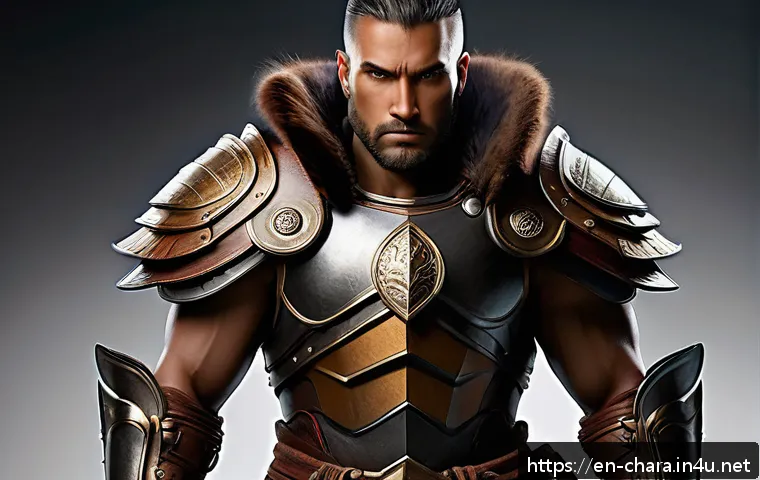
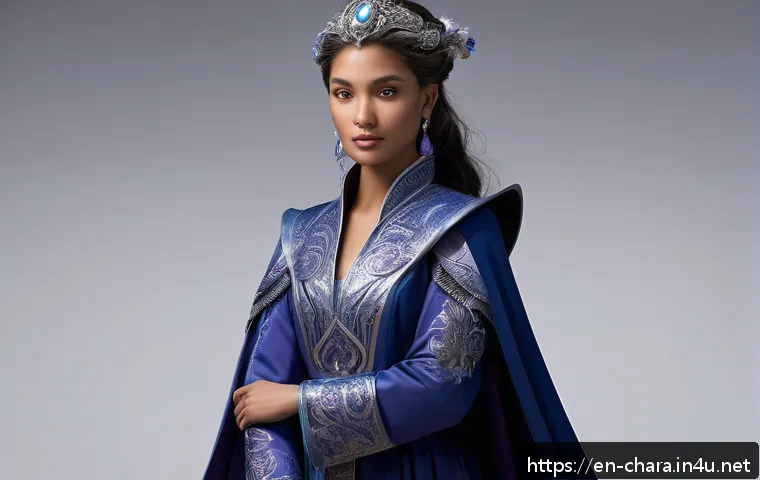
For example, a warrior’s armor should reflect their fighting style and status, while a mage’s robes might incorporate symbols hinting at their magical discipline.
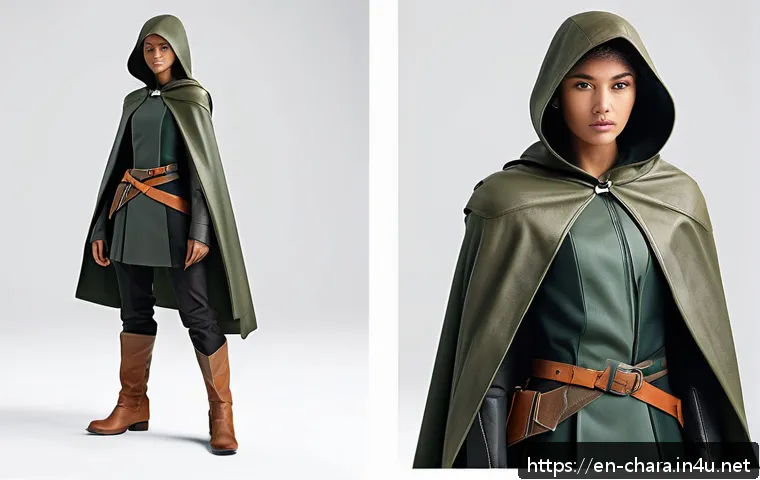
Avoiding generic or overly trendy designs helps maintain authenticity. Researching historical and cultural references has been invaluable for me in adding layers of meaning to costumes.
Balancing Functionality and Flair
While cool-looking outfits are tempting, they need to make sense within the character’s world and role. I’ve seen many artists struggle with impractical designs that look great but hinder believability.
For instance, heavy armor with too many gaps or a delicate dress for a frontline fighter can break immersion. I try to think about how the character moves, fights, or interacts with their environment to ensure the costume supports those actions realistically.
Layering Textures and Materials for Depth
Adding texture variety—like leather, metal, fabric, or fur—brings costumes to life. Early on, I underestimated this aspect, resulting in flat, unconvincing outfits.
Now, I experiment with different brush techniques and references to simulate these materials. This not only adds visual interest but also helps define the character’s lifestyle and environment.
For example, worn-out leather suggests ruggedness, while pristine silk implies wealth or nobility.
Posing and Silhouettes That Grab Attention
Creating Dynamic Poses That Reflect Character Traits
A static pose can make even the best design feel lifeless. I learned that poses should communicate personality and mood—whether it’s confidence, shyness, or aggression.
When sketching, I focus on the line of action, which gives the figure energy and flow. Experimenting with exaggerated gestures helps find what feels most expressive.
For example, a hero might stand tall with an open chest, while a rogue leans forward with a stealthy crouch. These choices make your characters instantly more compelling.
Silhouette Testing for Instant Recognition
Silhouettes are the first impression of your character. If the shape is confusing or cluttered, the design loses impact. I’ve made a habit of reducing my characters to black shapes early in the process to check readability.
Strong, unique silhouettes ensure that your character stands out even in a crowded scene or from a distance. This technique is especially crucial for game characters, where quick identification is key.
Balancing Complexity and Clarity
It’s easy to get carried away with details, but too much complexity can overwhelm viewers. I try to keep the overall shape clean and add details that enhance rather than obscure.
Simplifying forms while maintaining defining features helps maintain clarity. This balance also improves animation potential and makes your character adaptable across different media.
Effective Use of References Without Losing Originality
Gathering References with Purpose
Using references is a double-edged sword; they’re vital for accuracy but can lead to unintentional copying. I’ve found that collecting a wide range of references—from photos, movies, and other artists’ work—broadens inspiration without restricting creativity.
The key is to analyze what you like about each reference and translate those elements into your own style rather than replicating them directly.
Blending Influences to Forge Unique Designs
Rather than sticking to a single source, mixing traits from multiple references helps create fresh characters. For example, combining a historical costume with futuristic elements can yield something truly original.
I often sketch thumbnails mixing and matching features before refining. This process not only sparks creativity but also keeps the work personal and distinct.
Staying Mindful of Ethical Boundaries
Respecting intellectual property is crucial. I avoid copying distinct features or designs that belong to other artists or franchises. Instead, I use references as learning tools and springboards.
This mindset helps maintain integrity and builds trust with your audience, which is invaluable for long-term growth as a creator.
| Common Character Design Challenges | Typical Symptoms | Practical Solutions |
|---|---|---|
| Proportion Imbalance | Stiff or unnatural poses, awkward body parts | Use basic shapes for structure, practice life drawing, analyze reference models |
| Color Overload or Mismatch | Confusing or dull visuals, emotional disconnect | Limit palette, use complementary colors, apply color psychology |
| Expression Flatness | Unengaging faces, lack of emotion | Focus on subtle facial cues, practice with mirrors, vary eye design |
| Unrealistic Costumes | Impractical or inconsistent outfits | Research background, balance function and style, layer textures |
| Weak Silhouettes | Poor character recognition, cluttered shapes | Test black silhouette versions, simplify forms, emphasize unique shapes |
| Over-Reliance on References | Lack of originality, unintentional copying | Blend multiple sources, analyze rather than copy, maintain ethical standards |
Conclusion
Mastering character design is a journey that blends technical skill with creative intuition. By focusing on proportions, color harmony, expressive faces, and thoughtful costumes, you can create characters that truly resonate. Remember, practice and mindful observation are your best allies. Keep experimenting and refining to bring your unique vision to life.
Helpful Tips to Keep in Mind
1. Break down complex anatomy into simple shapes to build a strong foundation before adding details.
2. Use a limited color palette with complementary hues to maintain visual harmony and emotional impact.
3. Observe subtle facial expressions and practice with mirrors to capture genuine emotions.
4. Design costumes that reflect the character’s background and support their actions realistically.
5. Blend multiple references thoughtfully while respecting originality and ethical boundaries.
Key Takeaways
Achieving believable character design requires balancing creativity with realism. Prioritize anatomical accuracy and proportional balance to avoid stiff or awkward figures. Harness color psychology to deepen storytelling and ensure your palette enhances rather than overwhelms. Emphasize expressive facial features to build emotional connections. Finally, craft costumes and poses that support personality and narrative while maintaining clarity and uniqueness. Ethical use of references will keep your work fresh and authentic.
Frequently Asked Questions (FAQ) 📖
Q: What are the most common mistakes to avoid when designing characters for digital art?
A: One of the biggest pitfalls I’ve noticed is overcomplicating the design with too many details that don’t serve the character’s personality or story. It’s tempting to add every cool accessory or pattern, but simplicity often leads to stronger, more memorable designs.
Another frequent mistake is ignoring silhouette clarity—if your character’s outline isn’t distinct, it becomes hard to recognize at a glance, especially in small thumbnails or fast-paced games.
Lastly, neglecting the character’s backstory or motivation can make them feel flat, so always tie design choices to who the character is inside.
Q: How can social media influence improve or hinder my character design process?
A: Social media is a double-edged sword. On the plus side, it offers incredible exposure and feedback from a diverse audience, which can be super motivating.
Personally, getting constructive critiques helped me spot weaknesses I hadn’t noticed. However, the pressure to chase trends or post frequently can lead to burnout or rushed designs that lack originality.
I found that balancing regular sharing with focused skill-building sessions away from the noise made a huge difference in my growth and creative satisfaction.
Q: What practical tips can help me bring more life and personality to my characters?
A: From my experience, starting with strong gestures and expressions is key—they instantly convey emotion and make characters feel alive. Don’t shy away from exaggeration where it fits; subtle tweaks in posture or facial features can tell a whole story without words.
Also, consider the character’s environment and culture when choosing colors and clothing, as these elements add depth and authenticity. Finally, testing your design in different poses and lighting conditions helps ensure your character remains dynamic and believable across various scenes.