Lately, the buzz around self-taught creatives breaking into the character design world has been impossible to ignore. With digital tools more accessible than ever, many are wondering if mastering character design on their own is truly achievable.
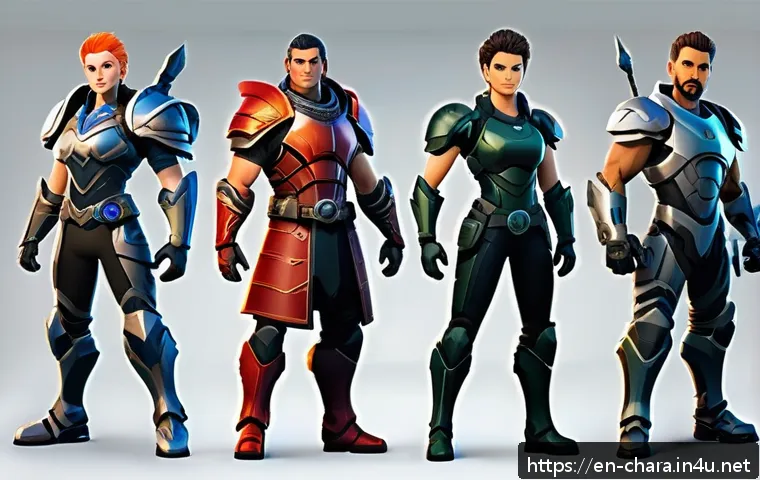
Whether you’re dreaming of crafting iconic game heroes or captivating animated characters, the journey might be closer than you think. In this post, we’ll explore practical strategies and real-world tips that can help you hone your skills without formal schooling.
Stick around if you’re ready to transform your passion into a polished portfolio that stands out.
Building a Strong Foundation Through Self-Directed Learning
Understanding the Basics of Character Anatomy and Proportion
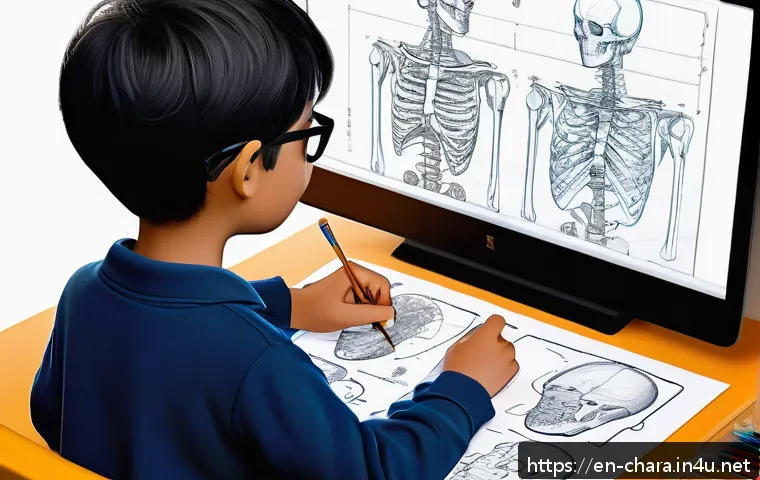
When I first started dabbling in character design without formal training, grasping anatomy was my biggest hurdle. It’s tempting to jump right into stylized designs, but having a solid understanding of human and creature anatomy really sets your work apart.
I found that breaking down the body into simple shapes helped me visualize proportions better. For instance, treating the torso as a cylinder or the head as an oval made sketching feel less intimidating.
Over time, I noticed that even my most exaggerated characters retained believable structure, which made them feel more alive and relatable.
Exploring Different Styles to Find Your Unique Voice
One of the perks of self-teaching is the freedom to experiment without pressure. Early on, I dabbled in everything from realistic to chibi styles, trying to see what resonated with me.
This journey of exploration not only sharpened my technical skills but also helped me develop a unique style that blends my influences. It’s important to remember that style evolves naturally as you draw more, so don’t stress about having a “perfect” style from the get-go.
Embrace the messy middle—it’s where creativity thrives.
Leveraging Online Resources and Communities
The internet is an absolute treasure trove for self-taught artists. I relied heavily on YouTube tutorials, free anatomy websites, and forums like ArtStation and DeviantArt to learn new techniques and get feedback.
What really accelerated my growth was engaging with communities—sharing work, asking questions, and absorbing critiques. It’s incredible how much you can learn from peers who are on the same journey.
Plus, many professionals share process videos and tips that you won’t find in textbooks.
Mastering Digital Tools Without Formal Classes
Choosing the Right Software for Your Workflow
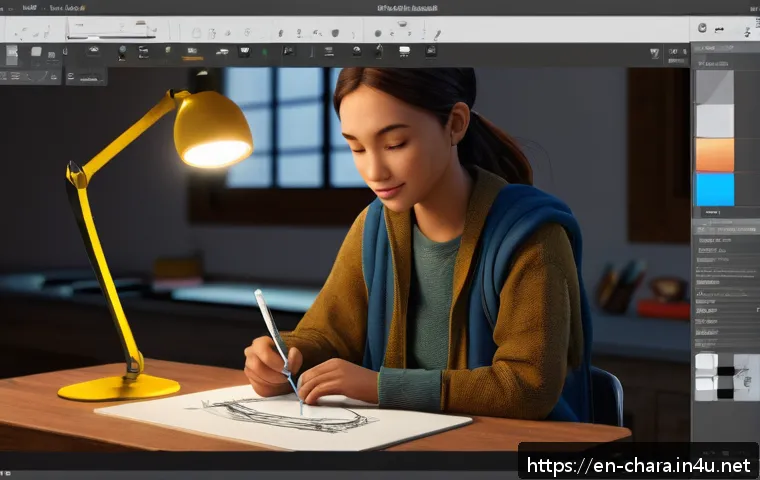
When I first bought a drawing tablet, the sheer number of software options was overwhelming. Should I go with Photoshop, Clip Studio Paint, Procreate, or something else?
My advice is to pick one and stick with it until you’re comfortable. For me, Clip Studio Paint was a game changer because of its user-friendly interface and excellent brush customization.
The key is to not get stuck switching programs—master the tools you have and explore advanced features gradually.
Developing Efficient Digital Habits
Digital art offers conveniences like layers, undo, and custom brushes, but these can sometimes lead to bad habits like over-relying on undo or neglecting foundational drawing skills.
I learned to balance this by practicing traditional sketching techniques digitally—using basic brushes and limiting myself to a few layers during initial sketches.
This approach helped me maintain discipline while still enjoying the flexibility of digital tools.
Utilizing Tutorials and Practice Challenges
There’s no shortage of tutorials tailored to digital character design. What helped me was following structured challenges like Inktober or character design prompts.
These not only forced me to draw regularly but also pushed me to experiment with different themes and techniques. Over time, these consistent practice sessions made complex digital workflows feel second nature.
Building a Portfolio That Catches Attention
Curating Your Best Work
One mistake I made early on was trying to showcase everything I drew, including unfinished sketches and experiments. I quickly realized that quality always trumps quantity.
Select pieces that demonstrate a range of skills—expressions, poses, color theory, and storytelling. Your portfolio should tell a cohesive story about your strengths and artistic growth.
Presenting Characters with Context and Personality
A character design isn’t just about the drawing; it’s about the story it tells. Adding background info or creating turnaround sheets with different poses and expressions helped me communicate my characters’ personalities more effectively.
This context often makes your work memorable to art directors or potential clients, who want to see that you think beyond aesthetics.
Using Online Platforms to Showcase Your Work
I found that having a personal website combined with profiles on platforms like ArtStation, Behance, and Instagram maximized my visibility. Each platform serves a different purpose—websites for professionalism, Instagram for engagement, and ArtStation for industry exposure.
Regularly updating your portfolio and engaging with followers can open doors to freelance gigs or collaborations.
Finding Mentorship and Feedback Outside the Classroom
Seeking Critiques from Fellow Artists
Getting honest feedback was intimidating at first, but it’s one of the most valuable parts of self-learning. I joined online critique groups and Discord servers where artists exchange constructive comments.
What helped me was adopting a growth mindset—viewing critique as a tool for improvement rather than criticism. Over time, this feedback loop sharpened my skills more than solitary practice ever could.
Learning from Professionals Through Social Media
Many professional character designers share behind-the-scenes insights on Twitter, YouTube, and Instagram. I followed several artists whose work I admired and absorbed their tips on design principles, workflow, and industry expectations.
Occasionally, they host live streams or Q&A sessions, which felt like mini mentorship moments that you can’t get in a classroom.
Participating in Art Challenges and Collaborations
Collaborating with other creatives or joining themed challenges often led to unexpected growth. I remember joining a character redesign challenge where I had to reinterpret existing characters in my style—it was both fun and educational.
These activities forced me to think differently and apply feedback from others, accelerating my development.
Balancing Passion Projects with Skill Development
Setting Realistic and Motivating Goals
Early on, I made the mistake of setting huge, vague goals like “become a professional character designer.” Breaking this down into smaller, achievable milestones—like completing one character design a week or mastering facial expressions—helped me stay motivated and track progress.
It’s amazing how consistent small wins can build momentum.
Experimenting Without Fear of Failure
One of the best lessons I learned is that mistakes are part of the process. When I embraced failure as a stepping stone, I felt freer to try bold ideas without self-judgment.
This mindset shift made practicing more enjoyable and less stressful, and ultimately led to more creative breakthroughs.
Integrating Feedback While Staying True to Your Vision
While external feedback is invaluable, it’s equally important to maintain your artistic voice. I’ve seen many artists get stuck trying to please everyone, which can dilute their style.
Striking a balance means listening to advice but filtering it through your own goals and aesthetics. After all, character design is about telling your unique story through visuals.
Understanding Industry Expectations and Trends
Researching Current Market Demands
Keeping an eye on industry trends is crucial if you want your designs to land jobs or freelance gigs. I made it a habit to study popular games, animated shows, and comic styles to understand what character types and aesthetics are in demand.
This research informed my portfolio choices and helped me tailor designs to client needs without compromising creativity.
Developing Versatility While Specializing
Many successful character designers I admire have a niche but can adapt when necessary. I focused on building versatility by practicing different genres—fantasy, sci-fi, realistic, cartoon—while honing a core style that feels authentic.
This approach made me appealing to a wider range of projects but also gave me a recognizable signature look.
Networking with Industry Professionals
Attending online webinars, conventions, and joining professional groups introduced me to industry insiders. These connections provided insights about what studios look for and sometimes led to freelance opportunities.
Networking isn’t just about job hunting; it’s about learning the unwritten rules of the field and finding mentors who can guide your path.
| Aspect | Self-Taught Approach | Formal Education Approach |
|---|---|---|
| Learning Pace | Flexible, self-paced; can focus on personal interests | Structured timeline; follows a set curriculum |
| Cost | Low to no cost; relies on free/affordable resources | High tuition fees; additional material costs |
| Access to Mentors | Dependent on networking and community engagement | Direct access to instructors and industry professionals |
| Portfolio Development | Self-driven; may require more initiative for feedback | Guided portfolio creation with critiques |
| Industry Recognition | Varies; depends on networking and skill level | Often recognized credentials; easier studio entry |
In Conclusion
Building a solid foundation through self-directed learning empowers you to grow at your own pace while cultivating a unique artistic voice. Embracing challenges, seeking feedback, and staying adaptable are key to evolving as a character designer. With consistent effort and a passion for improvement, you can create work that stands out and opens doors in the creative industry.
Helpful Tips to Remember
1. Break complex anatomy into simple shapes to make character design more approachable and believable.
2. Experiment with different styles early on to discover your unique artistic voice without pressure.
3. Engage actively with online communities to gain feedback and learn from peers and professionals.
4. Focus on mastering one digital art tool before exploring others to build efficiency and confidence.
5. Set small, achievable goals and embrace mistakes as learning opportunities to maintain motivation and creativity.
Key Takeaways
Self-directed learning offers flexibility and freedom but requires discipline and proactive networking to succeed. Prioritize quality over quantity in your portfolio and provide context to your character designs to make them memorable. Balancing external feedback with your personal vision ensures authentic growth. Staying informed about industry trends and connecting with professionals can significantly enhance your career opportunities in character design.
Frequently Asked Questions (FAQ) 📖
Q: uestions about Self-Taught Character DesignQ1: Can I really become a professional character designer without formal art school training?
A: Absolutely! Many successful character designers started out self-taught. With the abundance of online tutorials, courses, and communities, you can learn the fundamentals and advanced techniques at your own pace.
What truly matters is consistent practice, seeking feedback, and building a diverse portfolio that showcases your unique style and creativity. I’ve seen artists land freelance gigs and even studio jobs purely based on their self-driven work, so formal schooling is helpful but not mandatory.
Q: What are the best digital tools for beginners in character design?
A: When I first started, I found tools like Procreate and Clip Studio Paint incredibly user-friendly and affordable for beginners. They offer versatile brushes and an intuitive interface that make sketching and coloring easier.
As you advance, software like Adobe Photoshop or Krita can provide more professional features. The key is to pick a tool you feel comfortable with and focus on mastering it rather than switching between too many programs, which can slow your progress.
Q: How can I build a standout portfolio if I don’t have client projects or formal assignments?
A: Creating your own projects is a fantastic way to build a portfolio. Think of designing characters based on your favorite stories, original concepts, or daily sketch challenges.
Sharing your work on social media platforms like Instagram or ArtStation not only builds exposure but also invites valuable feedback. I recommend showing different stages of your process—sketches, color studies, final renders—to demonstrate your workflow and versatility.
This approach helped me attract attention even before working with clients.