In today’s fast-paced digital world, capturing an audience’s attention demands more than just a good story—it requires striking visuals that breathe life into the narrative.

Character design plays a pivotal role in sparking creativity for storyboard artists, transforming simple sketches into compelling visual journeys. As streaming platforms and social media continue to flood with diverse content, understanding how character aesthetics influence storytelling can set creators apart.
I’ve noticed firsthand how thoughtful character concepts open up endless possibilities for dynamic scenes and emotional depth. Let’s dive into how this creative synergy fuels unforgettable visual narratives that keep viewers hooked from start to finish.
The Power of Visual Identity in Storytelling
How Character Looks Shape Audience Perception
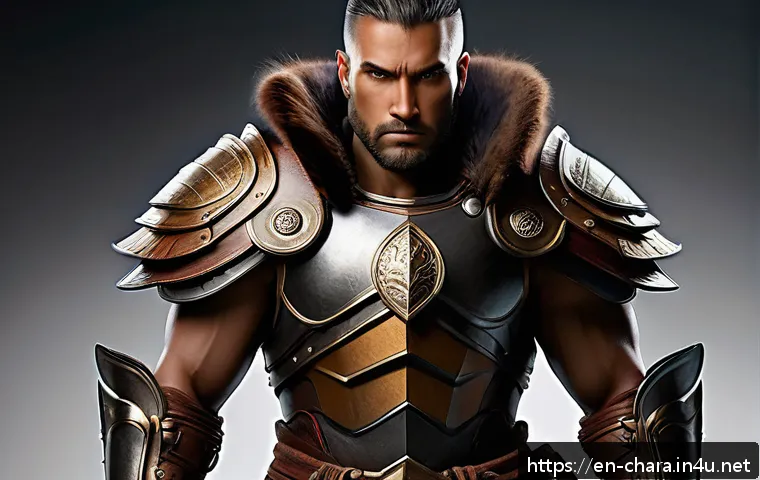
When you look at a character for the first time, their visual design immediately sets the tone for who they are and what they might represent. From subtle facial expressions to costume details, every design choice whispers a backstory before a single word is spoken.
I’ve often found that a well-crafted character design can evoke empathy or curiosity instantly, making the audience more invested in the unfolding narrative.
For storyboard artists, this means that character aesthetics aren’t just decoration—they’re the blueprint for emotional connection. A quirky hairstyle or an unusual silhouette can hint at personality traits or plot twists, letting artists plan scenes that resonate on a deeper level.
Color Palettes and Mood Setting
Colors are more than just pretty visuals; they’re emotional signposts. Warm tones can create a sense of comfort or urgency, while cooler shades often convey mystery or melancholy.
In my experience working with storyboards, adjusting a character’s color scheme has transformed entire sequences. For example, switching a hero’s costume from bright red to muted blue can change the perceived energy of a scene, making it feel more introspective rather than action-packed.
The interplay between color and character design thus becomes a silent storyteller, guiding the viewer’s feelings without any dialogue.
Balancing Complexity and Clarity
One challenge I’ve faced is striking the right balance between detailed character designs and the clarity needed for quick storyboard sketches. Overly intricate designs might look fantastic but can slow down the creative process or confuse viewers in fast-paced sequences.
Conversely, too simplistic designs risk losing personality or impact. Finding that sweet spot means choosing distinctive features that stand out clearly in every frame.
This balance helps storyboard artists maintain fluidity in their work while preserving the essence of each character’s identity.
Character Traits Driving Scene Dynamics
Movement and Expression Inspired by Design
Character design directly influences how scenes unfold through body language and facial expressions. When I design or analyze storyboards, I often imagine how a character’s physical traits affect their motion.
For instance, a bulky character might move with deliberate heaviness, creating a different rhythm compared to a nimble, slender figure. These nuances add layers to storytelling, making scenes feel authentic rather than staged.
The design acts like a guidebook for animators and storyboard artists to craft believable and compelling actions.
Visual Storytelling Beyond Dialogue
Sometimes, what a character doesn’t say speaks volumes, and their design helps fill that silence. A character’s posture, eye shape, or even scars can tell a story without a single line of dialogue.
I’ve noticed that when a storyboard artist fully understands these visual cues, they can create sequences that communicate complex emotions purely through imagery.
This kind of storytelling is powerful on streaming platforms where viewers often watch without sound or in noisy environments, relying heavily on visual clarity.
Creating Contrast to Highlight Conflict
Conflict is the heartbeat of any good story, and contrasting character designs amplify this tension. When two characters look distinctly different—whether in style, color, or build—it visually reinforces their opposing roles or ideologies.
I’ve seen storyboard sequences where the clash between characters’ visual identities heightens the drama, making confrontations more impactful. This contrast is a strategic tool, helping audiences quickly grasp relationships and stakes without needing exposition.
Leveraging Design for Emotional Resonance
Subtle Details That Evoke Empathy
The smallest design elements can trigger big emotional reactions. I recall a project where adding a slight asymmetry to a character’s eyes conveyed vulnerability, making viewers feel protective toward them.
Storyboard artists use these subtle cues to build empathy throughout the narrative arc. When audiences see imperfections or unique traits, it humanizes the character, fostering a stronger connection that keeps viewers emotionally engaged.
Design Evolution Reflecting Character Growth
Characters often change visually as their stories progress, and this transformation can be a powerful storytelling device. I’ve experienced firsthand how updating a character’s look—from wardrobe changes to altered expressions—signals growth or setbacks.
Storyboard artists can use these evolving designs to pace the narrative, visually marking key turning points without relying solely on dialogue or plot exposition.
Integrating Symbolism into Character Elements
Incorporating symbolic motifs into character design adds layers of meaning that enrich the story. For example, a character wearing a worn locket or a tattoo with cultural significance can hint at their past or inner conflicts.
Storyboard artists who understand these symbols can highlight them strategically in key frames, deepening the narrative impact and inviting viewers to discover hidden details on repeat viewings.
Collaborating Across Creative Roles
Character Designers and Storyboard Artists: A Symbiotic Relationship
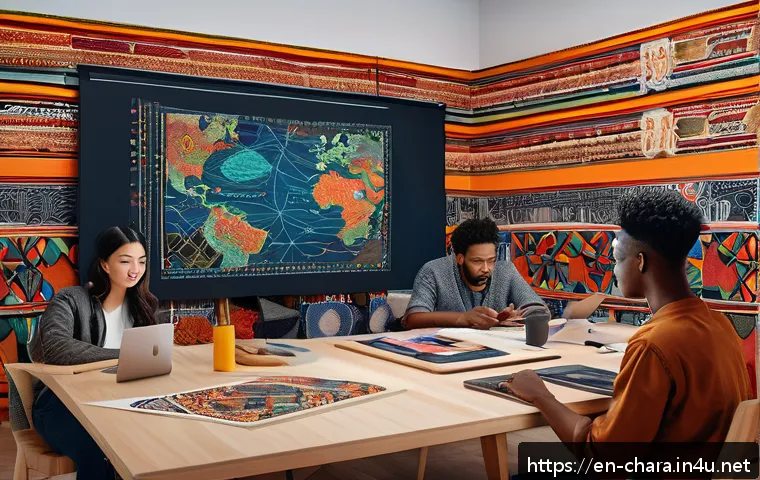
From my experience, the best visual stories come from seamless collaboration between character designers and storyboard artists. Designers provide the raw material—the character’s look and personality—while storyboard artists bring those elements to life through motion and sequence.
When communication flows well, it results in cohesive scenes that feel both visually stunning and narratively rich. This partnership is crucial for maintaining consistency and emotional authenticity throughout a project.
Feedback Loops Enhancing Creativity
Iterative feedback between design and storyboarding phases often sparks unexpected creative breakthroughs. I’ve noticed that when designers see their characters in motion through storyboards, they sometimes tweak details that open new storytelling avenues.
Similarly, storyboard artists might suggest changes that improve readability or emotional impact. This back-and-forth not only refines the final product but also builds a shared vision that elevates the entire narrative.
Adapting Designs for Different Platforms
Different viewing platforms demand different approaches to character design and storyboarding. For example, content optimized for mobile devices may require simplified designs to maintain clarity on smaller screens.
Meanwhile, high-definition streaming platforms allow for more intricate details. Collaborating teams must stay flexible, adapting character aesthetics to fit technical constraints without losing their storytelling power.

I’ve found that early discussions about platform considerations save time and enhance viewer experience.
Technical Tools Enhancing Character Visualization
Digital Software and Its Impact on Workflow
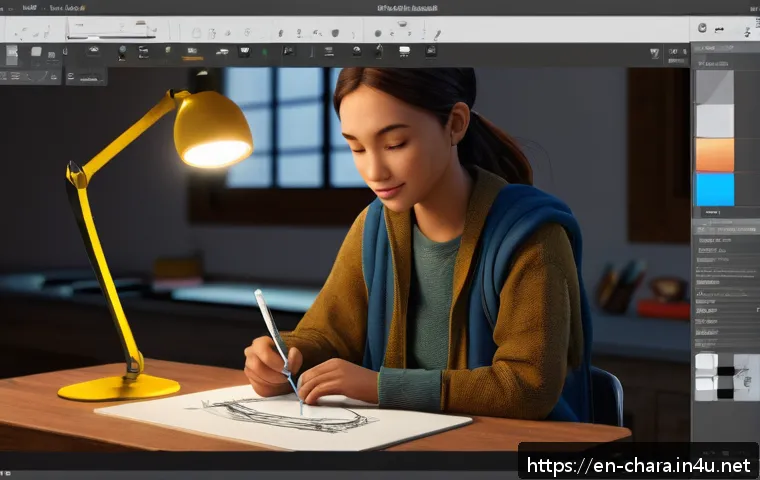
Modern digital tools have revolutionized how character designs are translated into storyboards. Programs like Adobe Photoshop, Toon Boom, and Clip Studio Paint allow artists to experiment with layers, colors, and expressions rapidly.
From my perspective, these tools speed up revisions and let storyboard artists try out multiple visual approaches before settling on the best one. The ability to zoom in and manipulate details with precision also improves the overall quality of character visualization.
3D Modeling as a Reference Aid
Incorporating 3D models into the pre-visualization process offers storyboard artists a fresh perspective on character movement and spatial relationships.
I’ve used 3D references to understand how a character’s design behaves in three-dimensional space, which helps create more dynamic and realistic scenes.
While 3D isn’t always necessary, it can be a valuable supplement to traditional 2D storyboarding, especially for complex action sequences.
Balancing Hand-drawn and Digital Techniques
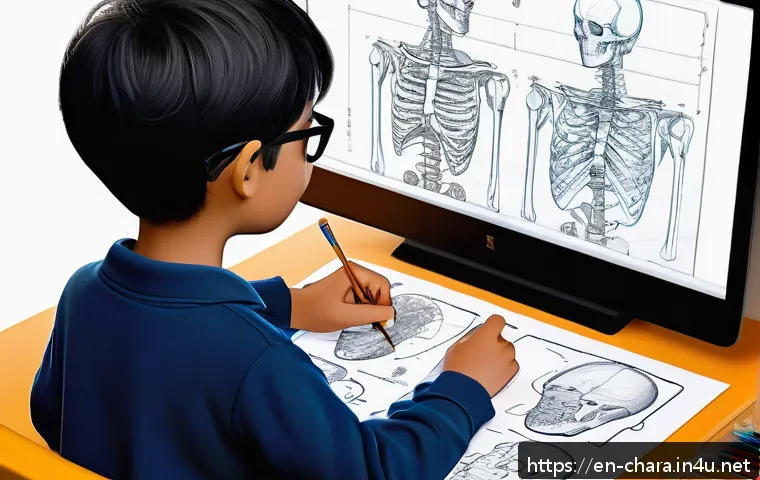
Even with the rise of digital art, hand-drawn sketches remain vital for capturing spontaneity and emotion in character design. I personally enjoy blending hand-drawn roughs with digital refinement to keep that organic feel while leveraging technology’s efficiency.
This hybrid approach encourages creativity and flexibility, allowing storyboard artists to iterate quickly while preserving the warmth and expressiveness of traditional art.
Understanding Audience Expectations Through Design
Genre-Specific Character Aesthetics
Different genres come with their own visual language and audience expectations. For instance, a fantasy story often demands elaborate, otherworldly designs, while a slice-of-life narrative leans toward relatable, everyday looks.
I’ve learned that tailoring character designs to fit the genre not only satisfies viewers but also strengthens the story’s authenticity. Storyboard artists can then craft scenes that align visually and thematically, enhancing immersion.
Inclusivity and Representation in Character Design
Audiences today expect diverse and inclusive representation in visual storytelling. Designing characters that reflect a wide range of backgrounds, abilities, and identities enriches the narrative and broadens appeal.
From my observations, storyboards that thoughtfully incorporate inclusive designs resonate more deeply with viewers, fostering a sense of belonging and cultural relevance.
This approach also opens up creative possibilities for unique storylines and perspectives.
Feedback from Viewers Informing Design Choices
Engaging with audience feedback provides invaluable insights into how character designs are received. I often recommend creators to monitor comments, social media reactions, and focus group responses to understand what resonates or falls flat.
This real-world data helps refine designs and storyboards, ensuring that characters remain compelling and relatable. Over time, this feedback loop can guide creators toward more effective and emotionally impactful storytelling.
Essential Elements for Effective Character-Driven Storyboards
Visual Consistency Across Scenes
Maintaining consistent character design throughout various scenes is crucial for viewer recognition and narrative coherence. I’ve noticed that even small inconsistencies can distract audiences and break immersion.
Storyboard artists must pay close attention to proportions, colors, and key features to ensure every frame feels unified. This consistency also helps during animation and post-production, reducing costly corrections.
Expressive Poses and Gestures
Characters come alive through their poses and gestures, which convey mood, intention, and personality. When sketching storyboards, I focus on exaggerating key expressions to make emotions unmistakable.
This approach helps communicate subtleties that dialogue alone can’t capture. Over time, these expressive choices become the foundation for memorable scenes that linger in the audience’s mind.
Integrating Background Interaction
Characters don’t exist in a vacuum—their design should harmonize with the environment and props around them. I’ve found that considering how characters physically interact with their surroundings enhances realism and storytelling depth.
Whether it’s a delicate touch on a fragile object or a determined stride through a chaotic space, these interactions make scenes more immersive and believable.
| Aspect | Impact on Storyboarding | Practical Example |
|---|---|---|
| Color Palette | Sets emotional tone and mood for scenes | Changing a costume color to shift scene energy |
| Character Silhouette | Enhances instant recognition and personality | Using distinct shapes to differentiate hero and villain |
| Design Complexity | Affects clarity and speed of storyboard creation | Simplifying details for fast action sequences |
| Expressive Features | Conveys emotions without dialogue | Asymmetric eyes to show vulnerability |
| Visual Contrast | Highlights conflict and character relationships | Contrasting costumes to emphasize rivalry |
| Symbolic Elements | Adds narrative depth and hidden meaning | Tattoos or accessories hinting at backstory |
In Closing
Visual identity plays a crucial role in storytelling, shaping how audiences connect with characters and narratives. Thoughtful design choices enhance emotional engagement and clarify story dynamics without relying solely on dialogue. When character design and storyboarding work hand in hand, the story becomes more immersive and impactful. Embracing these principles elevates both the creative process and the final viewer experience.
Helpful Information to Keep in Mind
1. Consistency in character design is key to maintaining audience immersion and narrative flow.
2. Color palettes do more than decorate—they set mood and influence emotional response.
3. Simplifying complex designs can improve clarity and speed during fast-paced scenes.
4. Subtle visual details, like asymmetry or symbolic accessories, build deeper empathy and storytelling layers.
5. Collaboration between designers and storyboard artists unlocks creative potential and ensures cohesive storytelling.
Key Takeaways
Effective character-driven storytelling relies on a balance between distinct visual design and clear, expressive presentation. Designers must consider audience expectations, platform constraints, and narrative goals while maintaining flexibility. Integrating symbolism and evolving character visuals enriches the story arc. Lastly, continuous feedback and cross-disciplinary teamwork are essential for refining both character appeal and storyboard quality, ultimately enhancing viewer engagement.
Frequently Asked Questions (FAQ) 📖
Q: uestionsQ1: How does character design influence the overall storytelling in visual media?
A: Character design is much more than just appearance—it sets the tone, personality, and emotional connection for the audience. When a character’s look aligns with their traits and the story’s theme, it makes the narrative more believable and immersive.
From my experience, a well-crafted character sparks creativity in scene development, enabling storyboard artists to explore unique poses, expressions, and interactions that deepen the story’s impact.
Q: What are some practical tips for storyboard artists to leverage character design effectively?
A: Based on what I’ve seen and practiced, start by fully understanding the character’s background and motivations. This insight guides how you depict their body language and facial expressions in key scenes.
Also, experiment with different visual styles to see what best enhances the mood of each moment. Don’t hesitate to iterate and refine—sometimes subtle tweaks in design open up fresh storytelling opportunities that keep viewers emotionally engaged.
Q: Why is character design especially important in today’s crowded streaming and social media landscape?
A: With so much content competing for attention, distinctive character designs help stories stand out instantly. A unique character can become a memorable icon that draws viewers in, encourages sharing, and builds loyal followings.
From my own projects, I’ve noticed that investing time in developing characters that resonate visually and emotionally pays off by boosting viewer retention and engagement, which is key for success on platforms flooded with options.