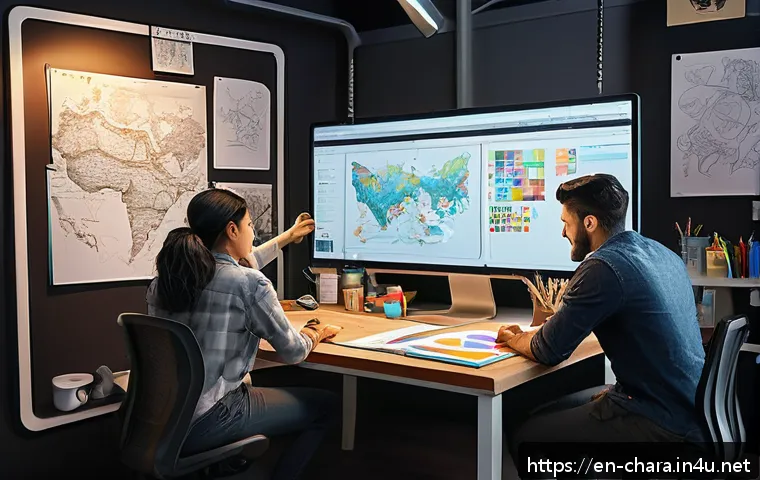
In today’s fast-paced creative industry, collaboration in character design has become more crucial than ever. With teams often spread across different time zones and disciplines, mastering the art of working together can make or break a project’s success.
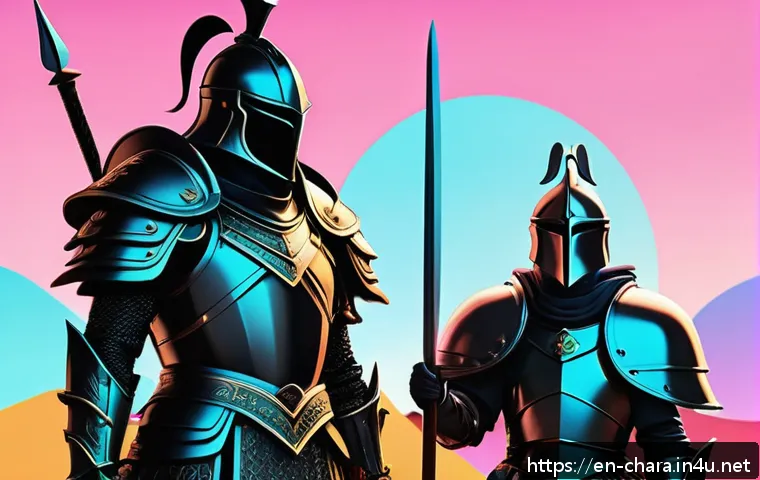
Whether you’re a seasoned artist or a newcomer, understanding how to blend diverse ideas seamlessly is key to bringing characters to life that resonate deeply with audiences.
I’ve seen firsthand how effective teamwork transforms concepts into unforgettable designs, and in this post, we’ll explore real-world stories and practical tips to help your creative team thrive.
Let’s dive into the dynamic world of character design collaboration and unlock its full potential together.
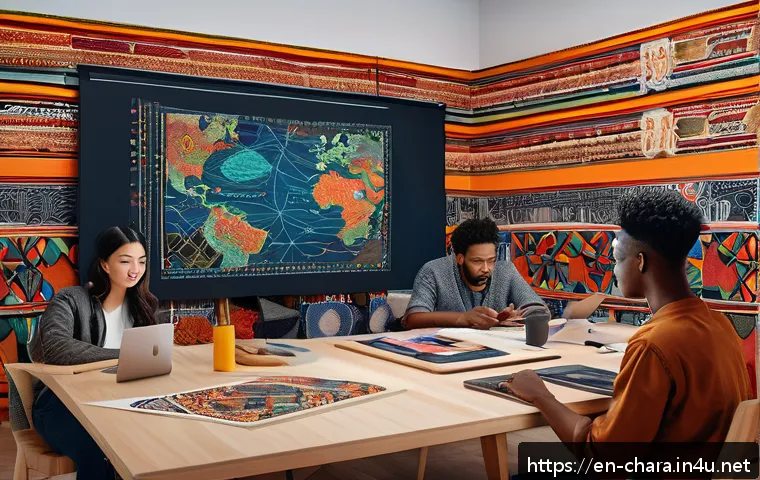
Embracing Diverse Perspectives to Elevate Character Concepts
Fostering Open Communication Across Time Zones
Working with a global team means juggling different time zones, which can easily lead to miscommunication or delays. What I’ve found invaluable is establishing clear, asynchronous communication channels early on.
Tools like Slack or Microsoft Teams allow everyone to leave detailed updates or share sketches whenever inspiration strikes, without waiting for synchronous meetings.
This approach respects everyone’s schedule while keeping the creative flow alive. Plus, it encourages team members to thoughtfully articulate their ideas, which often leads to richer feedback and unexpected innovations.
Balancing Artistic Styles While Maintaining Cohesion
When you have artists from different backgrounds, their individual styles can be quite distinct. The challenge is blending these styles into a cohesive character design that feels unified.
One trick I’ve used is creating a shared style guide, collaboratively developed by the team, outlining key elements like color palettes, line weight, and silhouette rules.
This document becomes a living reference that keeps everyone aligned, even as they add their unique touches. It’s amazing how this balance between freedom and structure sparks creativity without chaos.
Leveraging Feedback Loops for Continuous Improvement
Feedback is the lifeblood of collaboration, but it needs to be constructive and timely. We set up regular review cycles where each iteration of the character design is openly discussed.
I’ve noticed that framing feedback around specific goals—like “Does this expression convey the character’s personality?”—helps keep conversations focused and productive.
These loops not only improve the design but also build trust and respect among team members, since everyone feels heard and valued.
Streamlining Workflow With the Right Collaboration Tools
Choosing Platforms That Fit Team Dynamics
It’s tempting to pile on every new app out there, but experience shows that simpler, well-integrated tools often yield better results. I’ve seen teams thrive using platforms like Figma for real-time design collaboration because it allows multiple artists to work simultaneously on the same canvas.
When paired with project management tools like Trello or Asana, the team can track progress without drowning in notifications. The key is selecting tools that naturally fit the team’s working style rather than forcing a rigid system.
Documenting Progress and Decisions Transparently
Clear documentation prevents redundant work and confusion. In one project, we maintained a shared wiki that logged every major design decision, reference material, and iteration notes.
This archive was a lifesaver when new team members joined or when we revisited concepts after a break. It’s easy to underestimate how valuable this kind of transparency is until you experience the frustration of hunting down a lost idea or rehashing debates that were already settled.
Integrating Version Control for Design Files
Version control is often overlooked in creative fields, but it’s critical when multiple people edit the same files. Using tools like Git LFS or dedicated design versioning software helped us avoid overwriting each other’s work and enabled us to track changes systematically.
For example, when a character’s outfit was modified, we could quickly compare versions and decide which elements to keep. This process saved hours of rework and kept the project moving forward smoothly.
Building Trust and Encouraging Creative Risk-Taking
Creating a Safe Space for Idea Sharing
One of the biggest hurdles in collaboration is overcoming fear of judgment. I always emphasize the importance of a judgment-free environment where even wild or imperfect ideas are welcomed.
In practice, this means starting brainstorming sessions with “no bad ideas” and encouraging everyone to contribute. This openness often leads to breakthrough concepts that wouldn’t surface in a more critical atmosphere.
I’ve personally witnessed shy team members blossom creatively when they feel safe to experiment.
Recognizing and Celebrating Contributions
Acknowledging each person’s input builds morale and reinforces a sense of ownership. We make it a habit to publicly highlight team members’ creative solutions or unique insights during meetings or through internal newsletters.
This positive reinforcement motivates individuals to keep pushing boundaries and fosters a stronger team bond. It’s incredible how a simple “great job” can ignite enthusiasm and loyalty.
Encouraging Iteration Without Perfectionism
Creative work often stalls when people strive for perfection too early. I encourage teams to embrace a “fail fast, learn fast” mentality, where initial rough drafts are seen as valuable stepping stones rather than final products.
Sharing these early versions openly and iterating quickly helps maintain momentum and reduces anxiety. From my experience, this approach results in more polished, dynamic characters because the team isn’t bogged down by fear of making mistakes.
Aligning Character Design With Narrative and Audience Expectations
Collaborating Closely With Storytellers and Writers
Character design doesn’t exist in a vacuum; it must support the story. I’ve found that regular check-ins with writers and narrative designers ensure the visuals resonate with the character’s personality, backstory, and role.
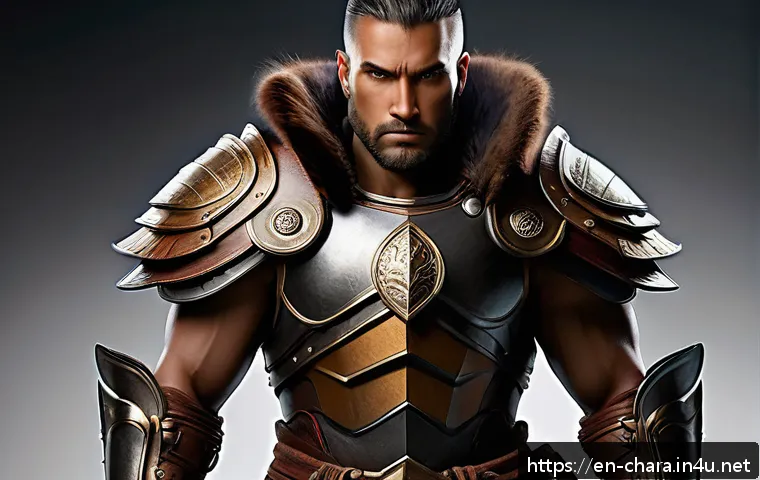
For example, a hero’s armor might subtly reflect their journey or cultural background. These cross-disciplinary conversations deepen the design’s impact and avoid disjointed results.
Researching Target Audience Preferences
Understanding the audience helps tailor designs that connect emotionally and culturally. In one project aimed at young adults, we incorporated current fashion trends and diverse cultural motifs after conducting surveys and social listening.
This research made the characters feel relatable and fresh. Ignoring audience insights can lead to characters that feel generic or out-of-touch, so integrating this step is crucial.
Balancing Innovation With Familiarity
While pushing creative boundaries is exciting, it’s important to keep some recognizable elements so the audience can immediately grasp the character’s essence.
For instance, a fantasy warrior might have unconventional armor details but still carry classic symbols of strength like a sword or shield. This balance creates designs that stand out without alienating viewers.
Enhancing Efficiency Through Role Clarity and Task Distribution
Defining Clear Responsibilities Within the Team
Ambiguity about who handles what can slow progress and create friction. Early in the project, we delineate roles—like concept artist, colorist, or animator—so everyone knows their domain.
This clarity prevents duplicated efforts and lets specialists focus on what they do best. Personally, I’ve seen teams become far more productive when each member feels ownership over specific parts of the process.
Implementing Agile Methodologies for Creative Work
Adopting agile principles, like short sprints and daily stand-ups, can sound unusual in a creative setting but has proven effective. It keeps the team aligned on priorities and allows for rapid adjustments based on feedback.
For example, breaking down character design into smaller tasks—sketching, refining, coloring—makes the workload manageable and less overwhelming. This structure promotes steady progress and continuous collaboration.
Encouraging Cross-Training and Skill Sharing
When team members understand each other’s roles and skills, collaboration improves naturally. We often host informal workshops where artists share techniques or tools they excel at.
This cross-training builds empathy and flexibility, so if someone is stuck, others can step in or offer advice. It also broadens each person’s skill set, which benefits the project and their professional growth.
Measuring Success and Adapting Collaboration Strategies
Setting Clear, Measurable Goals for Collaboration
To know if your teamwork is effective, define what success looks like beyond just finished designs. This might include meeting deadlines, maintaining high-quality output, or positive team feedback.
Tracking these metrics helps identify bottlenecks or areas needing improvement. From my experience, transparent goals keep everyone motivated and accountable.
Collecting and Acting on Team Feedback
Regular retrospectives where the team reflects on what worked and what didn’t are invaluable. I’ve found that creating a safe space for honest feedback leads to meaningful changes in workflow and communication.
Sometimes small tweaks, like adjusting meeting frequency or clarifying expectations, dramatically improve morale and productivity.
Adapting to Changing Project Needs Flexibly
No project is static, and flexibility is key. Whether facing shifting deadlines or new creative directions, the team must adapt quickly. Encouraging a mindset that welcomes change rather than resisting it has saved projects from derailment multiple times.
In my experience, teams that embrace agility maintain enthusiasm and deliver better results under pressure.
| Collaboration Aspect | Best Practices | Tools/Methods |
|---|---|---|
| Communication | Asynchronous updates, clear channels, detailed feedback | Slack, Microsoft Teams, Email |
| Workflow Management | Version control, style guides, documentation | Git LFS, Figma, Shared Wiki |
| Team Dynamics | Safe idea sharing, role clarity, recognition | Regular meetings, Agile sprints, Peer reviews |
| Creative Alignment | Cross-disciplinary collaboration, audience research | Story workshops, Surveys, Social listening |
| Continuous Improvement | Feedback loops, retrospectives, goal tracking | Surveys, Retrospective meetings, KPI dashboards |
In Conclusion
Collaborating on character design across diverse teams is both challenging and rewarding. Embracing open communication, balancing creativity with structure, and fostering trust leads to stronger, more dynamic outcomes. By aligning artistic vision with narrative and audience insights, teams can create characters that truly resonate. Continuous improvement and flexibility keep the process efficient and enjoyable for everyone involved.
Useful Information to Keep in Mind
1. Establish clear, asynchronous communication channels to accommodate different time zones and schedules.
2. Develop a shared style guide collaboratively to maintain cohesion while allowing individual creativity.
3. Use version control and documentation tools to track progress and prevent redundant work.
4. Foster a judgment-free environment to encourage creative risk-taking and open idea sharing.
5. Regularly collect team feedback and adapt workflows to keep the collaboration efficient and motivated.
Key Takeaways
Successful character design collaboration relies on clear roles, open communication, and trust among team members. Utilizing the right tools and maintaining transparency ensures smooth workflow and alignment. Encouraging experimentation without fear of failure helps unlock creative potential, while integrating audience and narrative considerations grounds designs in meaningful context. Flexibility and continuous feedback are essential for adapting to evolving project needs and achieving outstanding results.
Frequently Asked Questions (FAQ) 📖
Q: uestions about Character Design CollaborationQ1: How can teams effectively manage collaboration across different time zones during character design projects?
A: Managing collaboration across time zones starts with clear communication and scheduling. I’ve found that using shared project management tools like Trello or Asana helps keep everyone on the same page, regardless of location.
Setting overlapping work hours, even if brief, allows for live discussions and quick feedback. Also, documenting every decision in a central place reduces misunderstandings.
From my experience, respecting each team member’s working hours and being flexible goes a long way in maintaining smooth progress without burnout.
Q: What strategies help blend diverse artistic styles and ideas into a cohesive character design?
A: Blending different styles requires open-mindedness and structured brainstorming sessions. In one project I worked on, we started by defining the core personality and story of the character before diving into visuals.
This shared foundation guided all artistic contributions, creating harmony despite varied styles. Regular critiques and iterative feedback loops helped refine the design, ensuring every voice was heard but aligned with the vision.
Personally, I think fostering an environment where experimentation is encouraged but guided by clear goals is the sweet spot for creative synergy.
Q: How can newcomers contribute meaningfully in a character design team with experienced artists?
A: Newcomers bring fresh perspectives that can spark innovative ideas, and it’s important they feel empowered to share them. I recommend they focus on active listening first to understand the team’s workflow and design language.
Asking thoughtful questions and volunteering for tasks like research or initial sketches can build trust and demonstrate enthusiasm. When I started, being open to feedback and showing willingness to learn helped me gain respect quickly.
Remember, collaboration thrives when every member, regardless of experience, is valued and encouraged to contribute.