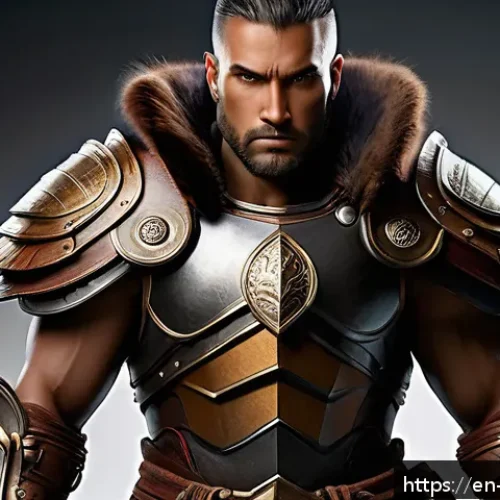
When diving into the world of visual storytelling, both character design and game graphics play crucial roles, yet they serve distinct purposes. Character design focuses on creating unique, memorable personalities that resonate emotionally with players.

On the other hand, game graphics encompass the broader visual environment, including backgrounds, interfaces, and effects that shape the overall gaming experience.
Understanding these differences is key for anyone interested in game development or digital art. Ready to uncover what truly sets them apart? Let’s dive in and explore the details!
Crafting Characters That Speak Volumes
The Emotional Blueprint Behind Every Design
When I first started working on character design, what struck me most was how much emotion a single silhouette or color palette could convey. Character design is all about creating a personality that players don’t just see but feel.
It’s not just about the visual appeal; it’s about crafting a persona that can evoke empathy, curiosity, or even nostalgia. Designers often spend hours thinking about backstories, motivations, and quirks because those details seep into the art itself, making the character relatable and memorable.
From the way a character’s eyes are shaped to the subtle way their posture hints at confidence or vulnerability, every tiny detail plays a role in emotional storytelling.
Balancing Uniqueness and Consistency
One of the trickiest parts I’ve encountered is making characters stand out while still fitting into the game’s universe. A character that looks amazing but feels out of place can break immersion.
So, character design requires a delicate balance between originality and coherence with the game’s world. This means that designers often have to iterate multiple times, tweaking colors, costumes, and even facial expressions until they find that sweet spot where the character feels both unique and believable within the game’s style and narrative.
Practicality Meets Creativity
Another aspect often overlooked is how characters function within the gameplay itself. I’ve seen designs that look incredible but are impractical for animation or player interaction.
For example, overly complex costumes might look stunning in a concept sketch but cause issues in motion capture or when viewed from different camera angles.
So, a great character design merges creativity with practicality, ensuring the character can perform all necessary actions smoothly while retaining their visual identity.
Visual Worlds Beyond Characters
Building Immersive Environments
Game graphics go far beyond the characters. They encompass the entire visual playground where the story unfolds. When I dive into game graphics, I think about how backgrounds, textures, lighting, and special effects create mood and atmosphere.
It’s like setting the stage for a play — the right environment can make a game feel cozy and inviting or tense and foreboding. For instance, a well-crafted forest scene with dynamic lighting and subtle particle effects can transport players into a living, breathing world rather than just a static backdrop.
The Interface as a Visual Guide
One element that often gets overlooked is the game interface, which is a crucial part of game graphics. From health bars to inventory screens, the interface must be visually clear and intuitive, guiding players seamlessly without distracting them.
I remember working on a project where the UI was so cluttered it frustrated users, making the entire experience feel clunky. Simplifying and styling the interface to match the game’s theme helped improve user engagement and retention dramatically.
Technical Challenges Behind Stunning Graphics
Rendering high-quality graphics isn’t just an artistic challenge; it’s a technical one. When I’ve collaborated with graphic engineers, I learned how optimization is key.
High-res textures and complex shaders can create breathtaking visuals but may cause performance issues on less powerful devices. Striking a balance between visual fidelity and smooth gameplay is an ongoing challenge, requiring constant communication between artists and programmers to ensure the game looks great without sacrificing performance.
How Visual Elements Shape Player Experience
Emotional Impact Through Design Choices
When players first see a character or environment, their emotions are instantly influenced by design decisions. Bright, saturated colors might evoke excitement or joy, while muted tones could suggest melancholy or mystery.
I’ve noticed in my own gaming sessions that the art style directly affects how invested I feel. Characters that visually express their emotions through detailed animations or subtle facial movements make me care more about their journey.
Similarly, immersive backgrounds can trigger a sense of wonder or urgency, depending on the game’s narrative.
Guiding Player Focus and Flow
Good game graphics also serve as visual cues to guide players through challenges and objectives. For example, lighting might highlight an important path or hidden item, subtly directing attention without breaking immersion.
In games I’ve played and analyzed, this technique greatly improves user experience by reducing frustration and making exploration feel rewarding. It’s a silent conversation between the game and the player, where graphics lead the way without explicit instructions.
Creating a Cohesive Visual Identity
A game’s visual identity is like its fingerprint — unique and instantly recognizable. Both character design and game graphics contribute to this identity, but in different ways.
Characters often become the face of the game, while graphics build the world they inhabit. When these elements align stylistically, the entire experience feels polished and intentional.
I remember being drawn to games where every visual element felt like part of a unified vision, making the story and gameplay more immersive and believable.
Behind the Scenes: Workflow and Collaboration
Interdisciplinary Team Dynamics
From my experience working with game development teams, character designers and graphic artists often collaborate closely but focus on different deliverables.
Character designers might hand off finalized models to graphic teams who then integrate them into larger environments. Communication is key because any mismatch in style or scale can disrupt the player’s immersion.
I’ve seen projects stall simply because teams weren’t aligned on artistic direction, so regular check-ins and shared mood boards become essential tools.
Tools and Technologies Shaping the Process

The tools artists use can vary widely depending on whether they focus on characters or environments. For character design, software like ZBrush and Photoshop are common for creating detailed models and textures.
Game graphic artists might rely more on engines like Unreal or Unity to build and render entire scenes. Understanding these tools and their workflows helps streamline production and ensures that characters and graphics come together seamlessly.
Iteration and Feedback Loops
One of the most important parts of the creative process is iteration. I’ve learned that early feedback from testers or other team members can reveal issues that aren’t obvious at first glance.
For example, a character’s design might look perfect in isolation but feel awkward once animated or placed in the game world. Similarly, graphics that look stunning in concept art might not translate well during gameplay.
Iterative cycles help refine both character design and game graphics, leading to a more polished final product.
Understanding Visual Styles and Their Impact
Realism vs. Stylization
Visual style choices dramatically influence how a game is perceived. Realistic graphics can immerse players in lifelike worlds, but they require immense resources and technical expertise.
On the other hand, stylized graphics, like cel-shading or pixel art, can create charming and memorable aesthetics without demanding top-tier hardware.
I’ve personally enjoyed games that embrace stylization because they often feel more timeless and creatively expressive compared to hyper-realistic visuals that can age quickly.
Consistency Across Elements
Maintaining consistency between character designs and overall game graphics is essential for a cohesive experience. I’ve played games where characters looked like they belonged in a comic book, but the backgrounds were hyper-realistic, which created a jarring disconnect.
This inconsistency can pull players out of the experience. Therefore, choosing and sticking to a unified style guide during development helps maintain harmony across all visual elements.
Adapting Style to Narrative and Genre
Different game genres benefit from different visual approaches. For example, horror games often utilize dark, gritty graphics to build tension, while platformers might use bright, colorful designs to evoke fun and excitement.
Character designs must align with these stylistic choices to reinforce the game’s mood. I’ve found that when style and narrative are perfectly matched, the game’s story feels more immersive and emotionally impactful.
Common Challenges and Solutions in Visual Development
Balancing Innovation with Player Expectations
Innovating in character design or graphics can be risky. Players have certain expectations, especially in established genres. For instance, a radically abstract character design might alienate fans if it strays too far from the norm.
I’ve seen successful projects that introduced subtle twists rather than complete overhauls, allowing them to stand out while respecting player familiarity.
Performance Optimization Without Sacrificing Quality
A persistent challenge I’ve faced is keeping graphics stunning without causing lag or crashes. Optimization strategies like level of detail (LOD) scaling, texture compression, and efficient shader use become crucial.
Sometimes, compromises are necessary, but the goal is always to preserve as much visual quality as possible to keep players engaged.
Managing Artistic Differences Within Teams
Creative disagreements are inevitable when multiple artists contribute to a project. I’ve learned that establishing clear artistic direction early on helps minimize conflicts.
Encouraging open dialogue and respecting each team member’s expertise fosters a collaborative environment where the best ideas thrive, ultimately benefiting both character design and overall game graphics.
Visual Elements at a Glance: Key Differences and Roles
| Aspect | Character Design | Game Graphics |
|---|---|---|
| Primary Focus | Creating unique, emotionally resonant characters | Crafting immersive environments and visual interfaces |
| Emotional Connection | High – characters serve as player’s emotional anchors | Moderate – environment sets mood and tone |
| Technical Requirements | Detailed modeling, animation readiness | Optimization for performance, scene rendering |
| Tools Commonly Used | ZBrush, Photoshop, Maya | Unreal Engine, Unity, Substance Painter |
| Role in Gameplay | Player interaction, story progression | Navigation, immersion, gameplay guidance |
| Design Challenges | Balancing uniqueness with gameplay functionality | Balancing visual fidelity with performance |
In Conclusion
Creating compelling characters and immersive game graphics requires a careful blend of creativity, technical skill, and emotional insight. Both elements work hand in hand to shape memorable player experiences that feel authentic and engaging. Through thoughtful design and continuous collaboration, games become not just visually stunning but also deeply impactful on an emotional level.
Useful Information to Keep in Mind
1. Character design is more than appearance—it’s about conveying personality and emotion that players connect with deeply.
2. Game graphics extend beyond characters, setting the tone and atmosphere that shape the entire player journey.
3. Balancing technical constraints with artistic vision is crucial to maintain smooth gameplay without sacrificing quality.
4. Consistency in visual style across characters and environments strengthens immersion and storytelling.
5. Iterative feedback and clear communication within teams are essential to refine designs and achieve a polished final product.
Key Takeaways
Successful game visuals rely on a harmonious balance between originality and coherence within the game world. Designers must consider emotional resonance, practical functionality, and technical feasibility simultaneously. Maintaining a unified visual style while adapting to narrative needs enhances player engagement. Lastly, fostering collaboration and embracing iterative improvements ensures the highest quality in both character design and game graphics.
Frequently Asked Questions (FAQ) 📖
Q: What is the main difference between character design and game graphics in game development?
A: Character design is all about crafting unique, relatable personalities that players can emotionally connect with. It focuses on the look, style, and traits of individual characters, making them memorable and distinct.
Game graphics, however, cover the entire visual world of the game — including backgrounds, user interfaces, special effects, and overall atmosphere. While character design zeroes in on the characters themselves, game graphics shape the broader environment that players explore.
Q: How do character design and game graphics influence the player’s experience differently?
A: Character design draws players in by creating emotional bonds and giving life to the game’s story through its characters. When you find a character visually appealing or relatable, it heightens your engagement and investment in the game.
Game graphics, meanwhile, set the tone and mood through the visuals of the world, making the gameplay immersive and visually satisfying. Good graphics can make environments feel alive, guide player attention, and enhance overall enjoyment beyond just the characters.
Q: Can one be more important than the other in a game’s success?
A: It really depends on the type of game and what it aims to deliver. For story-driven or character-centric games, well-crafted character design often takes the spotlight because players need to connect with the protagonists.
In contrast, games focused on exploration, strategy, or atmospheric immersion might lean more heavily on stunning game graphics to captivate players. From my experience, the best games strike a balance, where memorable characters exist within a rich, visually engaging world — both elements working together to create a truly unforgettable experience.