Understanding how character design practical exams are evaluated is crucial for anyone aiming to excel in this creative field. The scoring criteria often blend artistic skill, originality, and technical execution, making it essential to know what examiners prioritize.

From capturing personality through visuals to demonstrating mastery of anatomy and style, each aspect plays a vital role in the final assessment. Grasping these standards can not only boost your confidence but also refine your approach to character creation.
Let’s dive deeper and uncover the key elements that can help you stand out in your next character design exam!
Balancing Creativity with Technical Mastery
Expressing Unique Character Traits Visually
One of the first things evaluators look for is how well your design communicates the character’s personality without relying on words. This means every line, color choice, and accessory should tell a story.
For instance, a mischievous character might have sharp, angular features and a vibrant color palette, whereas a gentle soul might be drawn with softer curves and muted tones.
When I tackled exams, I found that adding subtle details like a scar, a quirky hairstyle, or distinctive clothing elements helped convey backstory, making the character feel alive and believable.
The key is to avoid generic designs—examiners are looking for originality that feels purposeful, not just decorative.
Mastery of Anatomy and Proportions
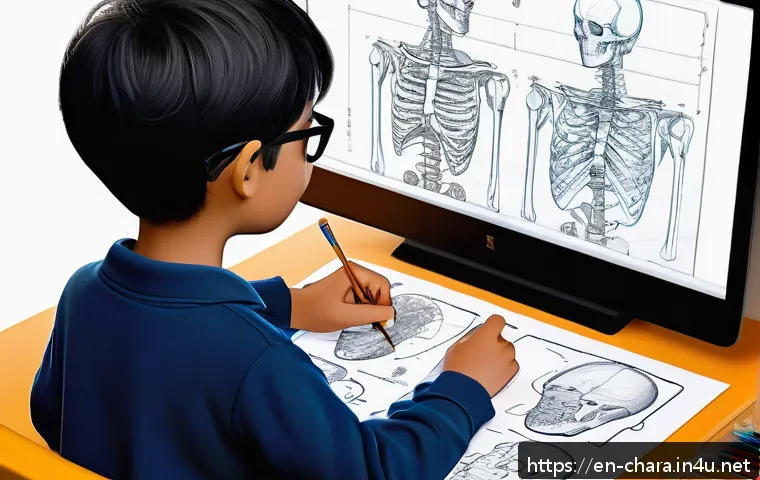
No matter how imaginative your character concept is, shaky anatomy can drag down the entire design. Understanding the basics of human or creature anatomy is critical.
This doesn’t mean every muscle and bone needs to be hyper-realistic, especially in stylized work, but the proportions must feel intentional and consistent.
In my experience, practicing quick gesture sketches before the final piece helped me lock in dynamic poses and natural body language. Also, examiners often appreciate when you adapt anatomy creatively to fit your character’s traits—like elongating limbs for a graceful elf or broadening shoulders for a bulky warrior—showing you understand form and function together.
Technical Execution and Presentation
The polish of your final artwork often makes a huge difference in scoring. This includes clean linework, balanced composition, and thoughtful use of shading or textures.
From what I’ve seen in feedback sessions, examiners favor submissions where the character stands out clearly against the background and where the color harmony doesn’t clash.
Presentation also involves how you organize your sheets: including turnaround views, close-ups of key details, or color swatches demonstrates professionalism.
Remember, sloppy execution can overshadow a brilliant concept, so allocating time to refine and clean up your work is essential.
How Storytelling Influences Character Appeal
Embedding Narrative into Design Choices
A character design exam isn’t just about making something that looks cool; it’s about making something that feels like it belongs to a larger story. I noticed that designs that included elements hinting at the character’s history or role—like worn-out armor suggesting battles fought, or futuristic gadgets hinting at a sci-fi setting—were more memorable.
Storytelling through design means every element should have a reason. This depth often convinces examiners that the creator has thought beyond surface aesthetics, adding layers to the character’s identity.
Creating Emotional Connections Through Visuals
Designs that evoke emotion tend to stick with evaluators longer. Whether it’s sympathy, intrigue, or excitement, your character should provoke a feeling.
When I practiced, I focused on facial expressions and body language to convey moods clearly. For example, a slouched posture combined with downcast eyes can express sadness or defeat, while an upright stance with a confident smirk radiates charisma.
These visual cues are crucial in exams because they demonstrate your ability to bring characters to life, making viewers care about who they are.
Integrating Cultural and Genre Elements Appropriately
Understanding the genre and cultural context of the character is vital. If you’re designing a fantasy warrior, including traditional armor elements fused with imaginative touches shows you grasp genre conventions while innovating.
Similarly, for a cyberpunk character, neon accents and tech-inspired accessories can anchor the design in its world. I’ve learned that ignoring these cues often leads to designs that feel out of place or generic.
Examiners look for harmony between the character and their intended setting, so research and cultural sensitivity can elevate your score.
Color Theory and Palette Selection
Using Color to Define Mood and Personality
Color choices can dramatically alter how a character is perceived. Bright, saturated colors often suggest energy and youthfulness, while darker or desaturated tones can imply mystery or seriousness.
I remember one exam where I chose a contrasting palette for a villain character, pairing dark purples with fiery oranges to create tension and intrigue.
This kind of deliberate palette selection signals to examiners that you understand the psychological impact of color, not just decorative appeal.
Maintaining Color Harmony and Readability
It’s easy to get carried away with colors, but too many competing hues can confuse the eye. Exams reward designs that achieve balance—colors that complement each other and ensure the character’s silhouette and details remain clear.
Using color theory basics like analogous or complementary schemes can help maintain harmony. During my preparation, I often created multiple palette options and tested them in grayscale to check contrast, which improved the overall legibility of my designs.
Highlighting Important Features with Color
Strategic use of color can guide the viewer’s attention to key character traits or accessories. For example, a splash of bright color on a weapon or emblem can signify importance or power.
I found that subtle gradients or highlights on the face and eyes could make the character feel more vibrant and engaging. These small but intentional touches often impress examiners because they show you’re thinking about the character’s visual impact holistically.
Effective Use of Linework and Shape Language
Defining Character Silhouettes Clearly
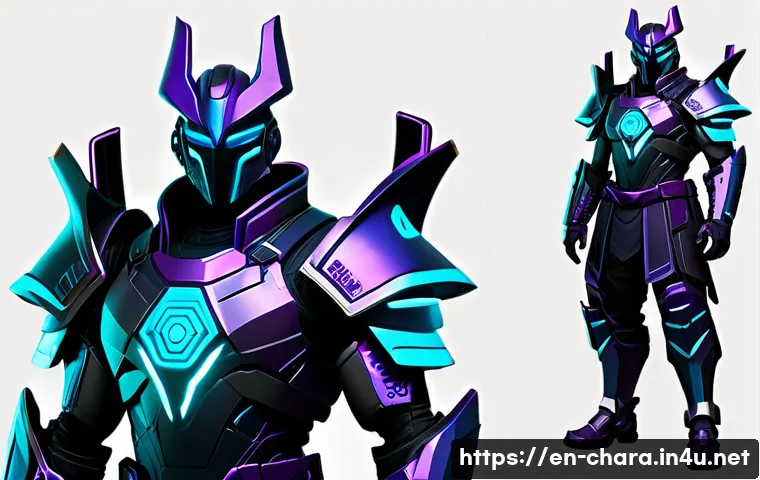
A strong silhouette is one of the quickest ways to make a character recognizable and memorable. Examiners often glance at designs from a distance to see if the overall shape reads well before diving into details.
I learned that experimenting with exaggerated shapes—like broad shoulders or a distinctive hat—helps create an instantly identifiable outline. This approach not only aids memorability but also demonstrates confident design choices.
Line Quality and Variation
Not all lines are created equal. Using varied line thickness and fluid strokes can add depth and texture, making a character feel more dynamic. When I reviewed top-scoring works, they often featured confident, intentional linework rather than uniform or hesitant lines.
This shows mastery of tools and helps convey weight, movement, and focus areas. Practicing with different brushes or pens before exams helped me develop a natural rhythm in my strokes.
Balancing Detail and Simplicity
While detail can enrich a design, too much clutter can overwhelm the viewer and detract from the character’s core identity. I found that prioritizing key details and simplifying secondary elements made my characters easier to read and more aesthetically pleasing.
Examiners appreciate this balance because it indicates an understanding of visual hierarchy and effective communication through design.
Presentation and Layout Impact on Scoring
Organizing Character Sheets Logically
How you arrange your drawings on the exam sheet can influence readability and overall impression. Including front, side, and back views, along with close-ups of accessories or facial expressions, gives a comprehensive understanding of the character.
In my experience, a clean layout with enough white space prevents the sheet from feeling cluttered and helps examiners navigate your work smoothly.
Annotating Key Design Elements
Adding brief notes explaining your choices can clarify your intent and highlight thoughtful decisions. For example, a small note about why a character wears a specific accessory or the inspiration behind a color scheme can add depth without overwhelming the visuals.
When I included annotations, I noticed examiners seemed to appreciate the insight, which sometimes bumped my scores higher.
Digital vs. Traditional Medium Considerations
Both digital and traditional methods have their pros and cons in practical exams. Digital art allows for easy corrections, layering, and clean finishes, which can impress examiners with polish.
Traditional media, on the other hand, can showcase skill in handling materials and texture but may be harder to perfect under time constraints. Personally, I balanced both by sketching traditionally and refining digitally, combining the strengths of each to maximize my presentation quality.
Time Management and Workflow Efficiency
Planning Before Execution
Jumping straight into drawing can lead to wasted time and messy results. I found that spending a few minutes sketching thumbnails and planning poses saved me from major revisions later.
This planning phase helps clarify ideas and prioritize which elements to focus on, especially under strict time limits.
Prioritizing Key Elements
Not every detail can be perfect in an exam setting. Identifying the most important features—like the character’s face, silhouette, or signature accessories—and dedicating more time there can improve overall impact.
I learned to allocate my time accordingly, ensuring these focal points received the most polish.
Maintaining Flexibility to Adapt
Sometimes initial ideas don’t work out as expected. Being able to quickly pivot or simplify your design without panic is a skill that examiners respect.
I remember one exam where I switched gears mid-way, trimming unnecessary complexity to deliver a cleaner, stronger concept on time. This adaptability often distinguishes seasoned candidates from beginners.
| Evaluation Criteria | What Examiners Look For | Tips for Candidates |
|---|---|---|
| Creativity & Originality | Unique character traits, storytelling elements, and innovative design choices | Incorporate meaningful details that reveal personality and backstory |
| Anatomy & Proportions | Consistent, believable body structure tailored to character type | Practice gesture sketches and study anatomy for dynamic poses |
| Color Usage | Harmony, mood conveyance, and focal highlights | Use color theory principles and test palettes for readability |
| Linework & Shape | Clear silhouettes, confident lines, and balanced detail | Experiment with line variation and simplify cluttered areas |
| Presentation | Organized sheets, annotations, and clean layouts | Include multiple views and brief notes to explain design choices |
| Time Management | Efficient workflow and prioritization of important elements | Plan sketches ahead and stay flexible to adjust as needed |
Conclusion
Balancing creativity with technical skills is essential for crafting standout character designs. By thoughtfully combining storytelling, anatomy, color, and presentation, you can create characters that resonate and impress examiners. Remember, originality paired with clear execution makes your work memorable and effective. Keep refining your process and stay adaptable to deliver your best under pressure.
Useful Tips to Remember
1. Plan your character’s story visually—every detail should add meaning and personality.
2. Practice anatomy and gesture sketches to ensure believable, dynamic poses.
3. Use color thoughtfully to evoke mood and highlight important features.
4. Keep linework confident and balance detail with simplicity for clarity.
5. Organize your presentation with multiple views and brief annotations to guide the viewer.
Key Takeaways
Successful character design exams require a blend of originality and technical mastery. Focus on clear storytelling through visual elements while maintaining consistent anatomy and harmonious color palettes. Confident linework and well-structured presentation sheets elevate your work’s professionalism. Efficient time management and flexibility in your workflow can make all the difference in delivering polished, compelling characters that stand out.
Frequently Asked Questions (FAQ) 📖
Q: What are the most important factors examiners look for in a character design practical exam?
A: Examiners typically focus on a combination of originality, technical skill, and how well the character’s personality is conveyed visually. This means they want to see creativity that stands out, solid anatomy and proportion skills, and a clear sense of who the character is through their pose, expression, and costume.
Nail these aspects, and you’re already ahead in the grading.
Q: How can I demonstrate mastery of anatomy and style effectively during the exam?
A: The key is balancing accuracy with your unique artistic voice. Showing a strong understanding of human or creature anatomy is crucial—proportions should feel believable and natural.
But don’t just copy references blindly; inject your own style to make the character feel alive and distinct. Practicing gesture drawing and studying anatomy beforehand can really boost your confidence and execution.
Q: What common mistakes should I avoid to improve my chances of scoring higher?
A: One big pitfall is focusing too much on technical detail while neglecting personality, or vice versa. Another is rushing through the design without planning, leading to inconsistent or awkward poses and details.
Also, avoid overcrowding your design with unnecessary elements that distract from the character’s essence. Taking a moment to plan and prioritize clarity and cohesion can make a huge difference in your final score.