Diving into character design certification can be both exciting and challenging, especially when you’re aiming to stand out in a competitive creative field.

Having the right reference materials is crucial to mastering the skills and techniques that industry professionals rely on. From anatomy guides to color theory books, and digital art tutorials to storytelling frameworks, each resource plays a vital role in shaping your artistic journey.
Understanding what to study and how to apply it effectively can make all the difference in passing certification exams and building a strong portfolio.
If you want to enhance your design skills and boost your confidence, knowing the essential references is a smart first step. Let’s explore these must-have materials in detail below!
Mastering the Human Form: Anatomy Resources That Truly Help
Essential Anatomy Books for Character Designers
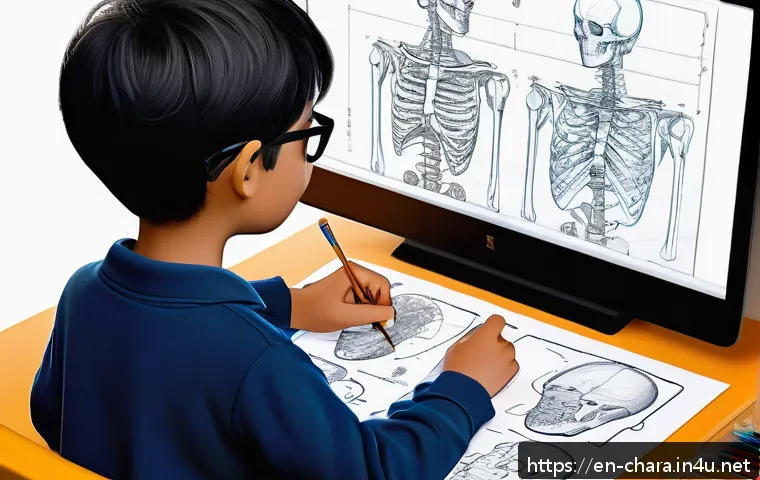
When it comes to nailing character design, a solid grasp of human anatomy is non-negotiable. Books like “Anatomy for Sculptors” and “Figure Drawing: Design and Invention” go beyond surface-level muscle groups and bone structures.
They break down complex forms into understandable shapes, which is a game changer when you’re trying to create believable, dynamic characters. Personally, flipping through these pages felt like discovering a secret language of the body.
Instead of guessing, I could visually map out how muscles flex and how joints move, which helped me avoid stiffness in my drawings. These references also often include practical tips on proportions and motion, making them invaluable for both beginners and seasoned artists aiming for certification.
Using 3D Anatomy Models to Enhance Your Learning
Digital 3D anatomy tools like Zygote Body or Sketchfab have become indispensable in my workflow. Unlike static images, these platforms let you rotate and zoom in on every angle, which is crucial for understanding volume and depth.
I found that interacting with 3D models helped me internalize the spatial relationships between muscles and bones better than traditional books alone.
Plus, many of these tools offer layers where you can toggle skin, muscles, and skeleton separately, making it easier to isolate and study specific areas.
For certification exams that expect precise anatomical knowledge, combining 3D models with textbook learning is a strategy I highly recommend.
Practical Exercises to Internalize Anatomy Knowledge
Studying anatomy isn’t just about passive reading; active practice is where the real growth happens. I set aside time daily to do quick gesture drawings and anatomy sketch drills, focusing on different body parts each session.
This habit helped me translate theory into muscle memory, which was evident when I had to design characters from imagination during tests. Using timed sketches forced me to capture the essence of poses quickly, reinforcing my understanding of underlying anatomical structures.
For anyone preparing for certification, integrating these exercises into your routine will dramatically improve your confidence and drawing speed.
Color Theory and Palette Selection: The Heart of Visual Appeal
Understanding Color Fundamentals for Impactful Characters
Color can make or break a character design, yet it’s often overlooked by beginners. Learning the basics of hue, saturation, and value is essential. I remember my early designs looked flat until I started experimenting with complementary and analogous colors.
Grasping how colors interact not only brought vibrancy but also helped convey mood and personality. For example, warm colors like reds and oranges can evoke energy and aggression, while cooler blues and greens suggest calmness or mystery.
Certification exams often test your ability to choose color schemes that support a character’s narrative, so mastering these fundamentals is a must.
Tools and Software for Experimenting with Color
Digital tools such as Adobe Color and Coolors are fantastic for generating palettes quickly and exploring color harmonies. When I was preparing for certification, these apps saved me hours of guesswork.
They allow you to upload inspiration images and extract color schemes or create palettes based on color theory rules. This not only speeds up your workflow but also broadens your creative options.
Using these tools, I could test how different combinations looked in various lighting conditions, which is crucial when designing characters meant for diverse environments or moods.
Applying Color Psychology to Enhance Storytelling
Beyond aesthetics, colors carry psychological weight, influencing how viewers perceive a character’s personality or role. I started paying close attention to this when designing villains versus heroes—dark purples and blacks often gave a sinister vibe, while bright yellows conveyed optimism.
Understanding these associations helped me create designs that instantly communicate a character’s essence without needing extra explanation. Certification panels often appreciate this depth of thought, as it demonstrates not only technical skill but also storytelling ability through design choices.
Digital Art Techniques and Software Mastery
Choosing the Right Software for Character Design
The digital art landscape is packed with options like Photoshop, Clip Studio Paint, and Procreate, each with its strengths. I found Procreate invaluable for sketching and inking on the go, thanks to its intuitive touch interface.
Photoshop, on the other hand, excelled for detailed painting and texture work. Understanding which tool suits your workflow can significantly improve efficiency and output quality.
When preparing for certification, I recommend spending time mastering at least one major software deeply rather than spreading yourself thin across many platforms.
Brush Settings and Customization Tips
Custom brushes are a secret weapon in digital character design. I’ve experimented with countless brush packs but ultimately created my own mix to suit line art, shading, and texturing.
Tweaking settings like opacity, flow, and pressure sensitivity can transform your strokes from stiff to lively. Certification projects often require a polished, professional look, and well-chosen brushes play a huge role in achieving that.
Don’t hesitate to invest time in brush customization—it’s a subtle but powerful skill.
Layer Management and Workflow Optimization
One of the biggest time-savers I discovered was efficient layer management. Naming layers clearly and grouping related elements (like base colors, shadows, and highlights) kept my files organized and made revisions painless.
I also used clipping masks and adjustment layers extensively, which allowed me to experiment with colors and lighting without permanently altering the original artwork.
For certification, showcasing a clean, well-organized file can impress reviewers as much as the final art itself, reflecting professionalism and technical savvy.
Storytelling Through Character Design
Building a Character’s Backstory to Inform Visuals
A character’s design is more impactful when it reflects their history, personality, and environment. When preparing for certification, I made it a habit to write short bios before starting sketches.
This helped me decide on costume choices, posture, and even facial expressions. For instance, a battle-hardened warrior might have scars and rugged armor, while a shy scholar could wear softer, more muted colors.
This narrative-driven approach enriched my designs, making them more than just visually appealing—they became believable personas.
Silhouette and Shape Language for Instant Recognition
Strong silhouettes are critical for making characters memorable and easily identifiable, especially in crowded scenes. I experimented with exaggerated shapes and poses to see how they read at a glance.
Round shapes often suggested friendliness or innocence, whereas sharp angles conveyed aggression or danger. Certification exams sometimes include silhouette tests or quick design challenges, so practicing this skill can give you a real edge.
Expressive Facial Features and Body Language
The subtleties of facial expressions and body language can tell a whole story without words. I spent hours studying how slight eyebrow raises or slouches communicate emotion and intent.
Incorporating this into character design made my figures feel alive and relatable. For certification, demonstrating this level of emotional nuance shows you understand the power of design beyond aesthetics—it’s about connection and storytelling.
Industry-Standard Reference Materials and How to Use Them
Curating a Personalized Reference Library
Building a go-to collection of references—from photo libraries like ArtStation to anatomy apps—was a game changer for me. Instead of scrambling to find images during projects, I had categorized folders ready for quick access.
This not only sped up my workflow but also ensured accuracy and variety in my designs. Certification judges appreciate when candidates use high-quality references thoughtfully, rather than relying solely on imagination.
Balancing Reference Use With Originality
It’s tempting to copy references directly, but certification exams and professional work demand originality. I learned to study references for structure and detail, then reinterpret them through my unique style.
This balance helped me pass exams and build a portfolio that stands out. Developing your eye for what to borrow and what to invent is crucial for long-term success.
Leveraging Online Tutorials and Courses
Online platforms like Schoolism and Skillshare offer targeted courses on character design techniques and software skills. I often combined these lessons with my practice routine, which accelerated my learning curve.
Many courses also provide critiques and community feedback, which was invaluable for spotting blind spots and refining my work before certification submissions.
Essential Tools and Materials Beyond Books and Software
Traditional Drawing Tools for Foundational Skills
Even in the digital age, traditional tools like pencils, ink pens, and sketchbooks remain vital. I found that sketching on paper helped me focus on form and composition without digital distractions.
This practice strengthened my fundamentals and warmed up my hand for digital work. Certification often values strong traditional skills as they indicate a well-rounded artist.
Hardware That Supports Efficient Workflow
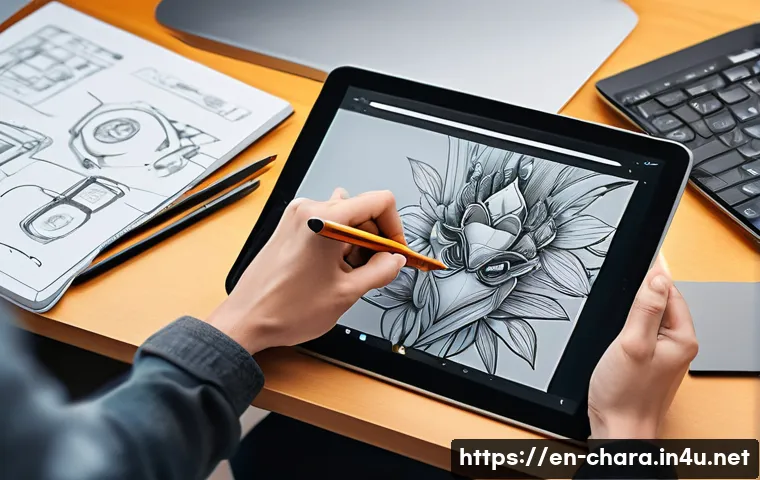
Investing in a quality drawing tablet with good pressure sensitivity, like a Wacom Intuos or a Huion Kamvas, made a noticeable difference in my line quality and speed.
Pairing this with a high-resolution monitor helped me spot details and color nuances more easily. For certification projects, where precision and polish count, having reliable hardware can be a hidden advantage.
Setting Up a Productive Workspace
Creating a dedicated, organized workspace was surprisingly impactful on my motivation and focus. Good lighting, ergonomic seating, and minimal distractions allowed me to maintain longer, more productive study and practice sessions.
This consistency was key in steadily improving my skills and building the stamina needed for certification projects.
Comparative Overview of Key Reference Materials
| Reference Type | Purpose | Recommended Titles/Tools | Benefits |
|---|---|---|---|
| Anatomy Books | Understanding human form and muscle structure | “Anatomy for Sculptors”, “Figure Drawing: Design and Invention” | Clear visual breakdowns, practical tips, improves realism |
| 3D Anatomy Models | Interactive study of volume and spatial relationships | Zygote Body, Sketchfab | Dynamic viewing angles, layered anatomy, enhances spatial understanding |
| Color Tools | Generating palettes and understanding color harmony | Adobe Color, Coolors | Speeds palette creation, explores color theory applications |
| Digital Art Software | Creating and refining digital character art | Photoshop, Procreate, Clip Studio Paint | Versatile tools, brush customization, efficient workflow |
| Online Courses | Skill development and expert guidance | Schoolism, Skillshare | Structured learning, community feedback, up-to-date techniques |
Conclusion
Mastering character design requires a blend of solid anatomical knowledge, thoughtful color use, and technical skills with digital tools. By integrating storytelling with design and utilizing high-quality references, you can create compelling, memorable characters. Consistent practice and a well-organized workflow are key to advancing your craft and succeeding in certification exams. Ultimately, the journey is as rewarding as the finished art itself.
Useful Tips to Remember
1. Regularly combine studying anatomy books with interactive 3D models to deepen your understanding of human form and movement.
2. Experiment with color theory using digital palette tools to enhance mood and personality in your designs.
3. Customize your digital brushes and organize layers efficiently to streamline your creative process.
4. Develop character backstories before designing to ensure visuals reflect personality and narrative.
5. Balance the use of references with originality to build a unique style that stands out professionally.
Key Takeaways
Consistent practice and hands-on exercises are essential for internalizing anatomy and improving drawing speed. Leveraging both traditional and digital tools enhances skill versatility and output quality. Thoughtful use of color and storytelling elevates character designs beyond aesthetics. Maintaining an organized workspace and workflow not only boosts productivity but also reflects professionalism. Finally, blending high-quality references with personal creativity is crucial for success in both certification and the industry.
Frequently Asked Questions (FAQ) 📖
Q: What are the most important reference materials to study for character design certification?
A: When preparing for character design certification, focusing on anatomy books is essential since understanding human and creature proportions forms the foundation of believable characters.
Alongside that, color theory guides help you create appealing palettes that convey mood and personality effectively. Digital art tutorials, especially those covering software like Photoshop or Procreate, are also crucial because most certifications expect proficiency with digital tools.
Lastly, storytelling frameworks are invaluable as they teach you how to design characters with depth and purpose, which is often a key evaluation point.
Combining these resources gives you a well-rounded skill set that impresses examiners and clients alike.
Q: How can I effectively apply these reference materials to improve my character design skills?
A: The best approach I’ve found is to integrate studying with hands-on practice. For example, after reviewing anatomy guides, try sketching different body types or poses without referencing photos to challenge your understanding.
When learning color theory, experiment with palettes on your digital canvas and see how slight changes affect the character’s vibe. Applying storytelling concepts means creating backstories or personality traits before you start designing, which adds layers to your art.
This method of learning by doing not only reinforces knowledge but also builds a portfolio filled with thoughtful, unique characters that stand out during certification evaluations.
Q: How do these references help boost confidence during certification exams and portfolio reviews?
A: Having a solid grasp of foundational knowledge through trusted references gives you the confidence to tackle design challenges without second-guessing your choices.
When I prepared for my certification, knowing I’d studied anatomy, color theory, and storytelling thoroughly meant I could focus more on creativity rather than worrying about technical mistakes.
Moreover, when reviewers see a portfolio that reflects strong fundamentals paired with originality, it naturally earns their respect. This confidence isn’t just about passing exams—it also prepares you for real-world projects where clients expect professional, polished character designs.