In the world of character design, creativity is the heartbeat that brings unique personalities to life. It’s not just about drawing appealing figures, but about weaving stories, emotions, and cultural nuances into every line and color choice.
Approaching character design with fresh perspectives can unlock endless possibilities and push boundaries beyond the conventional. Whether you’re sketching for games, animation, or comics, embracing innovative techniques can transform your work from ordinary to unforgettable.
Let’s dive in and explore how creative approaches can elevate your character design skills to a whole new level!
Exploring Emotional Depth Through Design
Capturing Subtle Expressions to Tell a Story
When I started focusing more on emotional depth in character design, I realized how crucial those tiny details are—the slight arch of an eyebrow, the faint curve of a smile, or the way eyes reflect light.
These subtle cues can completely change how a character is perceived. Instead of relying on exaggerated features, I began experimenting with nuanced expressions that hint at a character’s inner world.
This approach made my designs feel more authentic and relatable. For example, a character’s hesitation or confidence can be conveyed through posture and facial tension rather than bold gestures.
It’s like letting the viewer read between the lines, which adds layers to the storytelling without saying a word.
Using Color Psychology to Influence Perception
Colors aren’t just for aesthetics—they carry emotional weight and cultural significance. When designing characters, I consciously choose color palettes that reflect their personality traits and backgrounds.
Warm tones like reds and oranges can evoke passion or aggression, while cooler blues and greens suggest calmness or mystery. I often play around with complementary colors to create visual tension or harmony that supports the character’s narrative.
What’s fascinating is how even slight changes in hue can shift the mood entirely. For instance, a villain might be designed with muted purples and dark grays to suggest complexity and hidden motives, rather than just black and red clichés.
Building Backstory Through Visual Elements
It’s one thing to sketch a character that looks cool, but embedding hints of their history in the design makes them unforgettable. I try to incorporate symbols, scars, clothing styles, or accessories that tell a story about where the character comes from or what they’ve been through.
This doesn’t require lengthy explanations—just a few thoughtful details can spark curiosity and encourage viewers to imagine the character’s past. For example, worn-out boots or a faded tattoo might hint at a rugged journey, while a unique pendant could signify cultural heritage.
This layering technique adds depth and invites emotional investment.
Innovative Techniques for Dynamic Silhouettes
Breaking Traditional Shapes for Instant Recognition
When I first challenged myself to design characters with unique silhouettes, I noticed that breaking away from the usual shapes made my work stand out instantly.
Instead of sticking to the typical hourglass or bulky warrior forms, I experimented with asymmetry, exaggerated proportions, and unconventional stances.
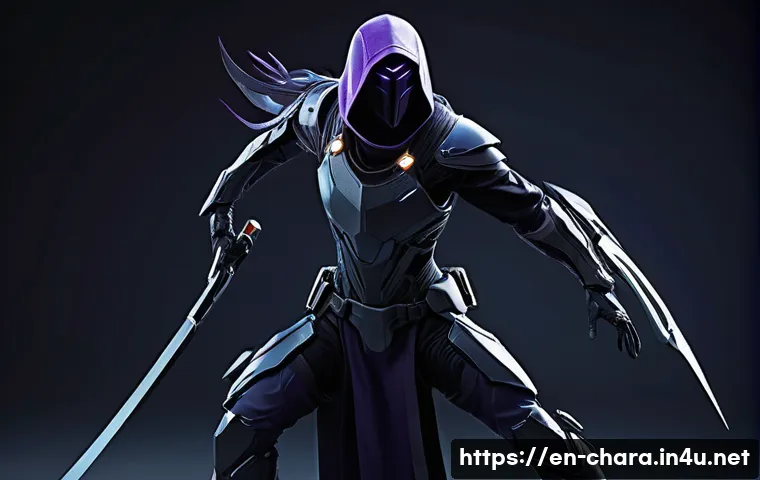
This not only makes characters more memorable but also helps communicate their roles or personalities at a glance. For instance, a stealthy assassin might have elongated limbs and a hunched posture, while a noble leader could be broad-shouldered with a commanding stance.
This technique is especially useful in fast-paced media like games where quick visual recognition matters.
Balancing Complexity and Readability
While it’s tempting to add tons of intricate details, I learned that overcomplicating silhouettes can confuse the viewer. The key is to maintain a clear and readable shape that works well in various sizes and contexts.
I often sketch in black-and-white first to focus purely on the outline before adding color or texture. This process ensures that the character’s core shape is strong and distinctive.
It’s a balancing act between creativity and functionality, but when done right, it elevates the entire design.
Using Negative Space Creatively
Negative space is a powerful, often overlooked tool in character design. By carefully shaping the spaces between limbs, accessories, or hair, I create visual interest and enhance the overall silhouette.
Sometimes, these empty spaces form shapes that reinforce the character’s theme or mood. For example, a character embodying freedom might have flowing garments that create bird-like negative shapes.
Paying attention to these areas adds a subtle layer of storytelling and keeps the design visually engaging even from a distance.
Integrating Cultural Influences Authentically
Researching Beyond Surface-Level Aesthetics
I used to think cultural elements were just about adding exotic patterns or costumes, but deep research changed my perspective entirely. Authentic integration means understanding the history, symbolism, and values behind cultural motifs.
When I designed a character inspired by Japanese folklore, for example, I dived into traditional stories, clothing fabrics, and even local color palettes.
This approach helped me avoid stereotypes and create respectful, meaningful designs that resonate more genuinely with diverse audiences. It’s a rewarding process that enriches the character and broadens creative horizons.
Collaborating with Cultural Consultants
To ensure accuracy and sensitivity, I’ve started collaborating with cultural experts whenever possible. Their insights reveal nuances I wouldn’t have caught on my own, from appropriate use of symbols to language choices.
This collaboration not only strengthens the design’s credibility but also builds trust with audiences who value representation done right. Plus, it’s a fantastic learning opportunity that expands my creative toolkit and respect for other cultures.
Blending Tradition with Modern Aesthetics
One of my favorite creative challenges is merging traditional cultural elements with contemporary design trends. This fusion creates fresh, eye-catching characters that feel both timeless and current.
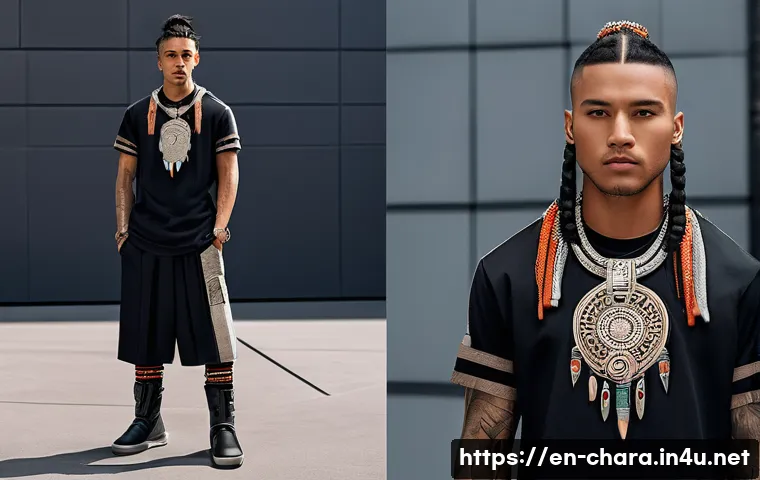
For instance, combining ancient tribal patterns with futuristic armor or streetwear can produce a unique visual identity. This balance keeps the design relevant and appealing to a wide audience while honoring its roots.
Experimenting with Unconventional Tools and Media
Bringing Analog Techniques into Digital Workflows
I’ve found that mixing analog methods like watercolor, ink, or collage with digital tools injects a raw, organic feel into character designs. Sometimes, I’ll paint textures or patterns by hand, scan them, and overlay them digitally.
This hybrid approach adds depth and unpredictability that pure digital brushes often lack. It also sparks creativity because the tactile process can inspire new ideas that don’t emerge on a screen alone.
Using 3D Modeling to Explore Form and Movement
Incorporating 3D modeling software into my workflow has been a game-changer. It allows me to visualize characters from multiple angles, experiment with lighting, and even pose them dynamically before finalizing the design.
This is especially helpful for animators or game artists who need consistent models. I’ve noticed that having a 3D base also speeds up the iteration process and improves anatomical accuracy, making the final 2D render more believable.
Interactive Sketching and Real-Time Feedback
Using tablets with pressure sensitivity and real-time collaboration apps has transformed how I design characters with input from clients or teams. It’s like sketching together in the same room, which accelerates decision-making and sparks instant creativity.
This interactive process helps me refine ideas faster and ensures that the character aligns perfectly with the project’s vision.
Applying Psychological Archetypes for Relatable Characters
Identifying Core Personality Types
By studying Jungian archetypes and personality frameworks, I began designing characters with clearer psychological profiles. Knowing whether a character fits the “hero,” “mentor,” or “rebel” archetype helps me decide their visual traits, gestures, and color schemes.
This clarity makes characters more relatable because audiences subconsciously recognize familiar patterns. For example, a “caregiver” archetype might have soft, rounded shapes and warm colors that evoke trust and empathy.
Layering Contradictions for Complexity
Real people aren’t one-dimensional, and neither should characters be. I deliberately design contradictions within archetypes—like a tough warrior who secretly cherishes poetry—to add intrigue.
Visually, this might translate into a rough exterior paired with delicate accessories or unexpected color choices. These contradictions make characters feel more human and keep viewers engaged as they discover new facets.
Using Body Language to Reflect Inner Conflict
Body language is a powerful storytelling tool. I pay close attention to how posture, gestures, and movement can reveal a character’s internal struggles or growth.
For example, a character hiding pain might avoid eye contact or have a tense stance, while one gaining confidence could stand taller and open up physically.
This attention to nonverbal cues enriches the narrative and deepens emotional connection.
Leveraging Storytelling Frameworks in Visual Design
Mapping Character Arcs Visually
I’ve started plotting character development arcs as part of the design process. Knowing where a character starts and ends emotionally or morally helps inform changes in their appearance over time.
This might mean evolving costumes, color shifts, or physical scars that symbolize growth or setbacks. It’s a dynamic way to embed story progression directly into visual elements, making the character’s journey tangible even without dialogue.
Designing for Interaction and Environment
Characters don’t exist in a vacuum, so I consider how their design fits the world they inhabit. Elements like weathered clothing for harsh climates or tech gadgets for futuristic settings create cohesion and immersion.
I also think about how characters interact with others visually—do their designs complement or contrast with allies and enemies? This relational thinking adds depth to both character and world-building.
Using Visual Motifs to Reinforce Themes
Repeating certain shapes, symbols, or color schemes throughout a character’s design can reinforce thematic elements. For instance, a character representing duality might feature mirrored patterns or split color palettes.
These motifs act as visual metaphors that enrich the narrative layer and make the design more memorable.
| Creative Approach | Key Techniques | Impact on Character Design |
|---|---|---|
| Emotional Depth | Subtle expressions, color psychology, storytelling details | Creates authentic, relatable characters with layered personalities |
| Dynamic Silhouettes | Asymmetry, negative space, clear shapes | Enhances instant recognition and visual interest |
| Cultural Integration | Deep research, expert collaboration, tradition-modern fusion | Ensures respectful, meaningful representation |
| Unconventional Tools | Analog-digital hybrid, 3D modeling, interactive sketching | Adds depth, accuracy, and creative spontaneity |
| Psychological Archetypes | Personality frameworks, contradictions, body language | Builds complex, relatable characters |
| Storytelling Frameworks | Character arcs, environmental fit, visual motifs | Integrates narrative progression and thematic depth |
Prioritizing User Experience in Character Interaction
Designing for Readability in Motion
Characters often come to life through animation or gameplay, so their designs need to be readable in motion. I focus on simplifying details that might blur when characters move quickly and ensuring colors contrast well against various backgrounds.
This approach makes sure players or viewers can easily identify and connect with characters during fast-paced scenes.
Considering Accessibility and Inclusivity
Designing characters that resonate with diverse audiences means being mindful of accessibility. I try to avoid overly complex color schemes that might be problematic for colorblind users and create designs that reflect a broad range of identities and abilities.
This inclusivity not only broadens appeal but also fosters empathy and representation.
Balancing Aesthetic Appeal with Functionality
Sometimes, highly stylized characters can look stunning but be impractical for certain media. I weigh aesthetic choices against the character’s functional needs—like ease of animation or player customization options.
Finding this balance ensures the design is both beautiful and usable, improving overall user experience.
Continuous Experimentation and Learning
Seeking Feedback and Iterating Rapidly
One habit that’s really helped me grow is regularly seeking feedback from peers, clients, and audiences. I try not to get too attached to initial ideas and remain open to revisions.
Rapid iteration cycles often lead to breakthroughs and stronger designs that better serve the project’s goals.
Studying Diverse Art Styles and Genres
Expanding my visual vocabulary by studying different art styles—from classical portraiture to street art—has been invaluable. It inspires new approaches and helps avoid creative stagnation.
I also analyze character designs across genres to understand what makes them effective in different contexts.
Documenting and Reflecting on the Process
Keeping a design journal or portfolio with notes about what worked and what didn’t allows me to learn from experience. Reflecting on my process helps identify patterns and areas for improvement.
This ongoing self-assessment sharpens skills and fosters deeper creative insight over time.
Concluding Thoughts
Designing characters with emotional depth and thoughtful details transforms them into more than just visuals—it brings them to life. Through careful exploration of expression, culture, and storytelling, characters become memorable and relatable. Embracing experimentation and continuous learning has been key to evolving my creative approach. Ultimately, character design is a journey that blends art and empathy to connect with audiences on a deeper level.
Useful Insights to Remember
1. Subtle facial expressions and body language can communicate complex emotions without words, making characters feel authentic and relatable.
2. Color choices influence audience perception significantly, so selecting palettes that align with personality and mood is crucial.
3. Integrating cultural elements respectfully requires deep research and collaboration to avoid stereotypes and enrich designs.
4. Balancing detailed creativity with clear, readable silhouettes ensures characters are recognizable and functional across media.
5. Continuous feedback and studying diverse art styles foster growth and help refine designs to better serve storytelling goals.
Key Takeaways for Effective Character Design
Successful character design hinges on a harmonious blend of emotional nuance, cultural authenticity, and visual clarity. Prioritizing readability and accessibility enhances user experience, while leveraging psychological archetypes adds depth and relatability. Experimentation with tools and storytelling frameworks keeps the creative process dynamic and impactful. Above all, thoughtful iteration and open-mindedness lead to designs that resonate meaningfully with audiences.
Frequently Asked Questions (FAQ) 📖
Q: How can I infuse originality into my character designs without losing cultural authenticity?
A: The key is to deeply research and understand the culture you want to represent, then blend those authentic elements with your unique artistic style. Instead of copying traditional symbols or attire directly, interpret their meanings and emotions through your own creative lens.
For example, if you’re inspired by a specific folklore, focus on the story’s essence—its mood, values, or conflicts—and express those through innovative shapes, color palettes, or accessories.
This way, your characters feel fresh yet respectful, making them resonate more genuinely with diverse audiences.
Q: What are some effective ways to develop a character’s personality visually?
A: I’ve found that every design choice—from posture to color—tells a story about the character’s inner world. Start with the basics: think about their background, motivations, and quirks, then reflect those traits visually.
For instance, a confident character might have a bold stance and vibrant colors, while a shy one could feature softer lines and muted tones. Small details like scars, jewelry, or clothing wear can hint at their past experiences.
Experimenting with exaggerated expressions or unconventional shapes can also add layers to their personality, making them instantly memorable.
Q: How can embracing innovative techniques improve my workflow and final designs?
A: Incorporating new tools and methods doesn’t just speed up your process—it opens doors to creative breakthroughs. When I started mixing traditional sketching with digital painting and 3D modeling, I noticed my characters gained depth and dynamism that felt hard to achieve before.
Techniques like photo-bashing, procedural texturing, or using AI-assisted color palettes can spark ideas you might not have considered. Plus, stepping out of your comfort zone challenges your thinking and keeps your work fresh, which is crucial in a competitive field like character design.