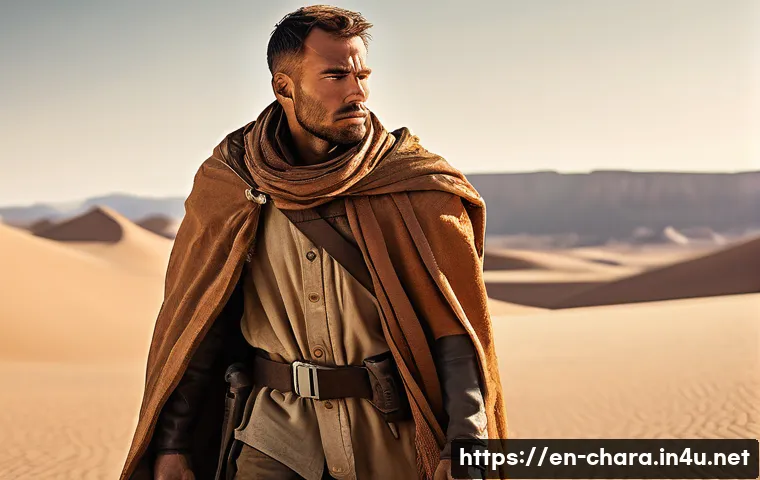
Diving into character design is one of the most exciting ways to bring your creativity to life, blending art and storytelling into unique visual identities.
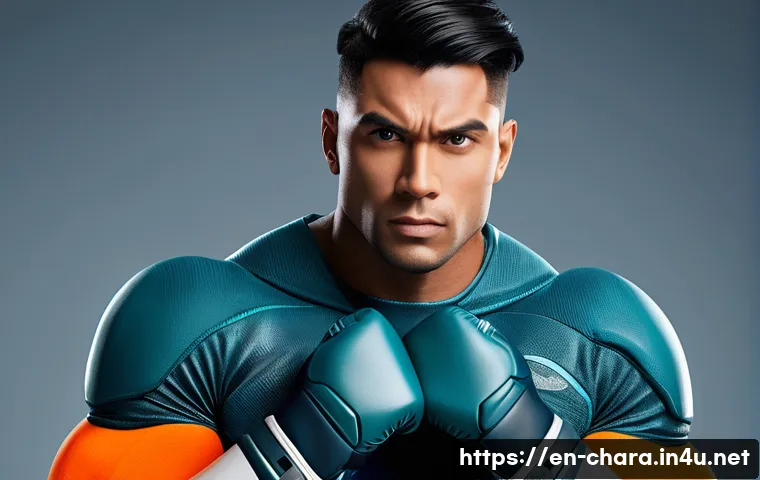
Whether you’re aiming to create memorable heroes, quirky villains, or fantastical creatures, hands-on projects can dramatically sharpen your skills. Exploring different styles and techniques through real assignments helps you understand anatomy, color theory, and personality expression more deeply.
Plus, working on diverse projects pushes you to solve design challenges creatively, boosting both your confidence and portfolio. If you’re eager to level up your character design game, this guide will walk you through some inspiring project ideas that make learning both effective and enjoyable.
Let’s get into the details and make your designs truly stand out!
Exploring Personality Through Visual Storytelling
Crafting Backstories to Shape Design Choices
When I started designing characters, one thing I realized quickly was how much a backstory influences every visual decision. Giving your character a history, motivations, and quirks isn’t just storytelling—it directly affects their posture, clothing, and even color palette.
For example, a character who grew up in a harsh desert environment might wear tattered, sun-bleached clothes and have a rugged, weathered look. This approach anchors your design in reality and makes the character more believable and relatable.
Try writing a short bio for your character before drawing; it’s like giving yourself a roadmap to follow and it sparks creativity in unexpected ways.
Using Facial Expressions to Convey Emotion
Facial expressions are the silent storytellers of your character’s personality. I’ve found that practicing a range of emotions—from subtle smirks to wide-eyed wonder—helps me bring life to otherwise static drawings.
Instead of sticking to a neutral face, challenge yourself to sketch your character reacting to different scenarios. This exercise reveals how their personality shines through in their expressions and can even inspire adjustments in their overall design, like eyebrow shape or eye size.
Remember, people connect with characters emotionally, and those tiny facial details are often the key.
Silhouettes and Body Language as Personality Markers
A strong silhouette makes your character instantly recognizable, even from a distance. I like to start with just black shapes to focus on the overall form without distraction from details.
Is the character bulky and imposing, or slender and agile? Their body language also tells a story—slouched shoulders suggest insecurity, while an upright stance signals confidence.
Experiment with exaggerating these elements to emphasize traits. The more distinct the silhouette, the easier it is for viewers to remember and connect with your character.
Mastering Anatomy with Dynamic Poses
Studying Real-Life Movement for Authenticity
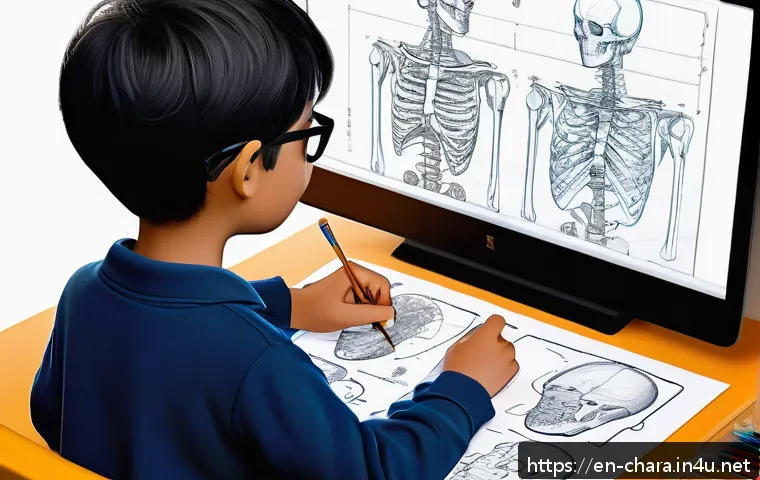
Anatomy can feel intimidating, but observing real people in motion makes a huge difference. I often visit parks or cafes to discreetly watch how people walk, stretch, or gesture.
Capturing the flow of movement helps your characters avoid looking stiff or awkward. When you practice quick gesture sketches, you focus on energy and rhythm instead of perfect detail, which is essential for dynamic poses.
These sketches become the foundation for more polished character drawings that feel alive and believable.
Breaking Down Complex Poses Step-by-Step
Sometimes you want your character in a dramatic or unusual pose, but it’s tough to get it right on the first try. My trick is to break down the pose into simpler shapes—circles for joints, cylinders for limbs—before fleshing out muscle and details.
This step-by-step approach makes challenging poses manageable and helps prevent proportion errors. It’s like building a puzzle: once the framework is solid, adding details is much easier and more accurate.
Using Reference Tools and Technology
I can’t emphasize enough how helpful reference tools are. From anatomy books to 3D posing apps, these resources give you control over angles and lighting that photos sometimes can’t provide.
When I’m stuck, I use apps like Magic Poser or online anatomy models to rotate and pose digital figures. This hands-on interaction deepens my understanding of muscle structure and how the body twists in space.
Plus, it saves time hunting for the perfect photo reference and reduces guesswork.
Color Theory as a Personality Amplifier
Choosing Color Palettes That Reflect Mood
Colors speak volumes about a character’s nature. I like to think about the emotions I want to evoke before picking a palette. Warm tones like reds and oranges can suggest energy and aggression, while cool blues and greens might convey calmness or mystery.
When I designed a villain character, I used desaturated purples and muted grays to create a sense of coldness and detachment. Experimenting with contrasting colors also helps highlight focal points, like glowing eyes or signature accessories.
Balancing Harmony and Contrast
Striking the right balance between harmonious and contrasting colors keeps your design visually engaging. Too much harmony can feel bland, while too much contrast can be overwhelming.
I often use a color wheel to find complementary colors that pop without clashing. For example, pairing a deep teal outfit with bright orange accents creates visual interest and guides the viewer’s eye to important details.
This technique also enhances readability, especially when characters appear in busy scenes or animations.
Color Psychology in Character Archetypes
Understanding color psychology adds another layer of depth to your designs. Red often symbolizes passion or danger, green can indicate growth or envy, and black might evoke mystery or power.
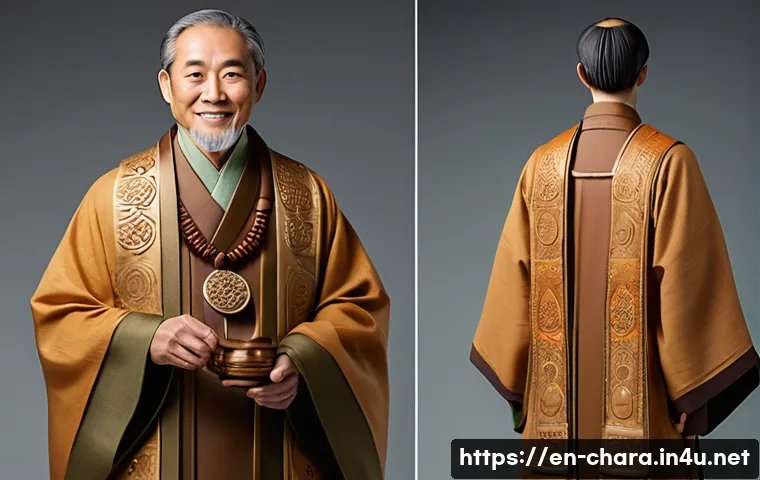
When creating archetypes like heroes, mentors, or tricksters, aligning colors with these associations strengthens the narrative. I recall designing a mentor figure in warm earth tones to evoke wisdom and approachability, which felt intuitive to me and resonated well with others.
Don’t be afraid to play with these conventions to subvert expectations creatively.
Experimenting with Style Fusion
Combining Realism and Stylization
One of the most fun parts of character design is blending different artistic styles. I often mix realistic anatomy with cartoonish exaggerations to create characters that feel grounded yet expressive.
For instance, giving a character realistic muscle structure but oversized eyes can make them more emotionally readable without losing believability. This fusion opens up endless possibilities and allows you to tailor your style to the story’s tone.
It’s like having the best of both worlds—accuracy and personality.
Drawing Inspiration from Diverse Cultures
Diving into cultural art styles enriches your design vocabulary and helps avoid clichés. I spent time studying traditional patterns, clothing, and mythologies from various cultures and incorporated those elements subtly into my characters.
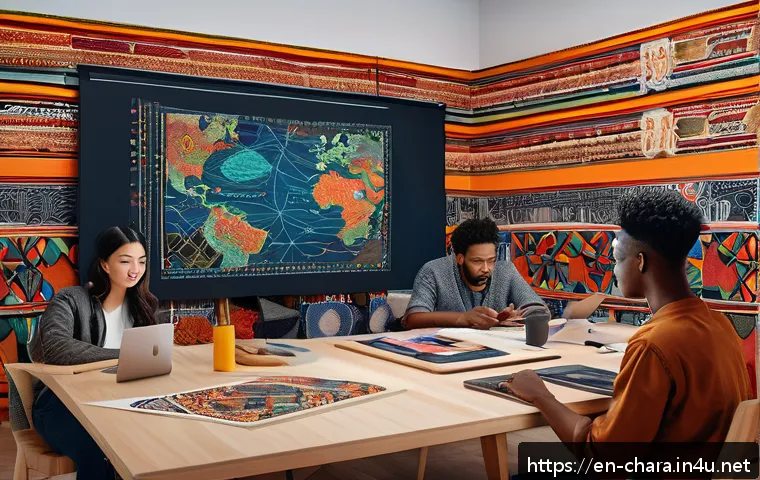
It’s important to approach this with respect and research, but the payoff is a unique, authentic look that stands out. For example, integrating Japanese kimono details or African tribal motifs can add depth and context, making characters feel like they belong to a living world.
Playing with Mediums and Textures
Experimenting beyond digital tools can spark creativity. I’ve discovered that mixing watercolor textures or ink line art with digital coloring adds a tactile feel that pure digital often lacks.
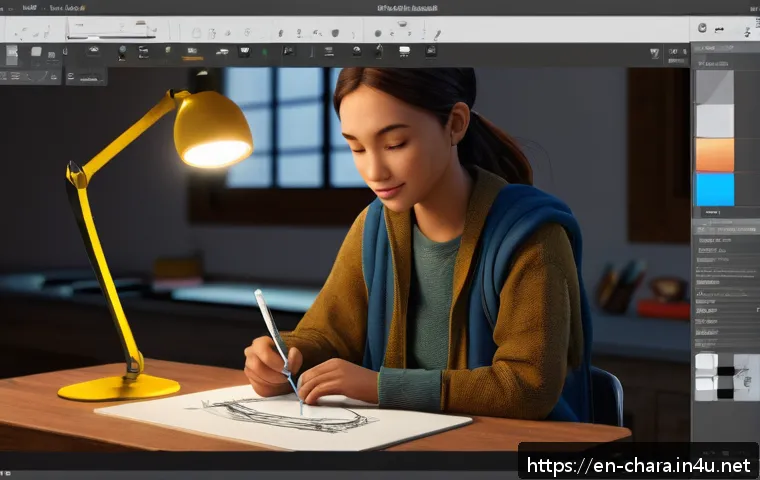
Sometimes, I’ll sketch on paper, scan it, and add colors digitally to capture that organic vibe. This layering of techniques keeps the design process fresh and encourages exploration.
Plus, it can lead to signature styles that differentiate your portfolio in a crowded field.
Designing for Function and Story Integration
Considering Practicality in Costume and Gear
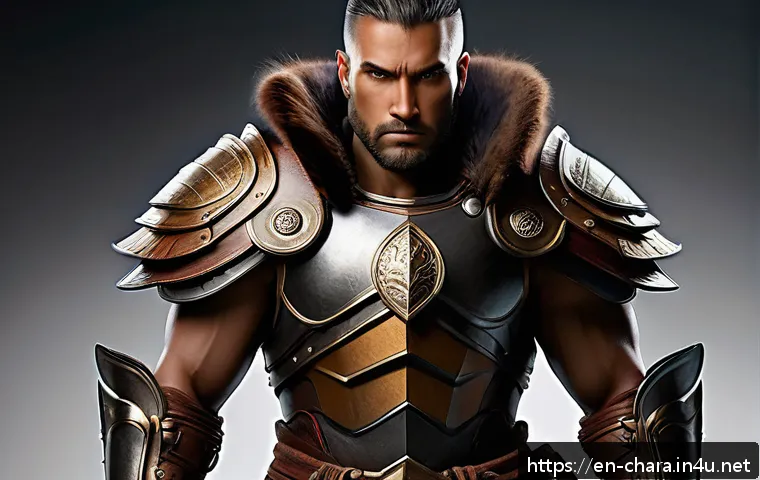
A character’s outfit should make sense within their environment and role. When I design armor or gadgets, I think about how they’d realistically function.
For example, a warrior’s armor needs mobility, so overly bulky plates might be impractical. Thinking through these details not only adds authenticity but also sparks clever design solutions that reflect personality and story.
Plus, it makes your characters more believable, especially in genres like sci-fi or fantasy.
Integrating Symbolism and Motifs
Symbols embedded in costume or accessories can tell silent stories. I like to weave motifs that hint at a character’s past, beliefs, or affiliations. For instance, a pendant with a family crest or a tattoo symbolizing a personal vow adds layers without needing exposition.
These details invite viewers to look closer and engage more deeply. When done thoughtfully, symbolism enriches character depth and can become a signature element.
Animating Movement and Interaction
If your character will appear in animations or comics, designing with movement in mind is crucial. I test how clothes and hair flow or how accessories behave during action scenes.
This foresight prevents awkward designs that look great static but fail when animated. It also challenges you to think about the character’s physical presence and how their design supports their narrative role dynamically.
Building a Cohesive Portfolio with Varied Projects
Mixing Character Types for Versatility
Showing range in your portfolio is essential. I always include heroes, villains, sidekicks, and creatures to demonstrate adaptability. Tackling different archetypes pushes your skill set and signals to clients or employers that you can handle diverse briefs.
It also keeps your creative process exciting and prevents burnout from repetition.
Creating Themed Series or Worlds
Developing a series of characters within the same universe showcases your ability to maintain consistency while differentiating personalities. I once designed a fantasy town’s inhabitants, each with unique traits but shared stylistic elements like color schemes and silhouette shapes.
This exercise strengthened my storytelling and design cohesion skills, making the portfolio feel like a complete package rather than isolated pieces.
Documenting Your Process and Iterations
Sharing your design journey—from rough sketches to final renderings—adds transparency and professionalism to your work. I’ve noticed that viewers appreciate seeing the evolution of a character; it demonstrates problem-solving and creative thinking.
Including notes about challenges and breakthroughs also highlights your expertise and invites engagement, which can boost portfolio views and opportunities.
| Project Type | Key Focus | Benefits | Example Exercise |
|---|---|---|---|
| Backstory-Driven Design | Integrating narrative into visuals | Enhances character depth and relatability | Write a detailed bio before sketching |
| Dynamic Anatomy Practice | Capturing movement and proportions | Improves realism and fluidity | Gesture drawing from live observation |
| Color Psychology Exploration | Using color to express mood | Strengthens emotional impact | Create palettes based on character archetypes |
| Style Fusion Experimentation | Combining realism and stylization | Develops unique visual identity | Mix cartoon features with realistic anatomy |
| Functional Costume Design | Balancing aesthetics and practicality | Enhances believability and storytelling | Design armor with mobility in mind |
| Portfolio Cohesion Building | Showcasing versatility and consistency | Attracts clients with diverse needs | Develop a themed character series |
Embracing Feedback and Iteration
Seeking Critiques from Peers and Mentors
Feedback is a crucial part of growth. I’ve found that sharing work-in-progress with trusted peers or mentors opens new perspectives I hadn’t considered.
Sometimes what seems like a small tweak can elevate a design significantly. Don’t take critiques personally—they’re tools to sharpen your skills. Engaging with a community also keeps motivation high and provides encouragement during creative slumps.
Learning from Iterative Redesigns
Rarely is a character perfect on the first try. Revisiting and revising your designs based on feedback or new ideas is where real improvement happens.
I keep older versions to compare and reflect on how my understanding has evolved. This iterative process also trains you to be flexible and open-minded, essential traits for professional character designers.
Balancing Personal Vision with External Input
While feedback is valuable, maintaining your unique voice is equally important. I always filter advice through the lens of my original vision, adopting what fits and respectfully setting aside what doesn’t.
This balance ensures your characters remain authentic and true to your style, while still benefiting from collaborative insights. It’s a dance between growth and individuality that defines successful design careers.
In Conclusion
Exploring personality through visual storytelling is a powerful way to create characters that resonate deeply with audiences. By combining thoughtful backstories, expressive details, and dynamic anatomy, your designs gain authenticity and emotional impact. Experimenting with color, style, and functionality further enriches the character’s world. Embracing feedback and iteration ultimately refines your skills and helps your unique voice shine through every creation.
Useful Tips to Remember
1. Always start with a clear backstory to guide your design choices and bring depth to your characters.
2. Practice varied facial expressions to capture authentic emotions that connect with viewers on a personal level.
3. Use silhouettes and body language to communicate personality traits instantly and memorably.
4. Leverage reference tools and observe real-life movement to improve the fluidity and realism of your poses.
5. Balance color harmony and contrast thoughtfully to highlight your character’s mood and narrative role.
Key Takeaways for Effective Character Design
Successful character design blends storytelling with practical execution, ensuring each visual element serves a purpose. Prioritize authenticity by grounding designs in believable anatomy and functional attire. Incorporate symbolism and cultural influences with respect to add layers of meaning. Maintain flexibility by embracing critiques while preserving your creative vision. Building a diverse, cohesive portfolio will showcase your versatility and professionalism, setting you apart in the creative industry.
Frequently Asked Questions (FAQ) 📖
Q: What are some effective project ideas to improve my character design skills?
A: Diving into projects that challenge different aspects of character design is key. For example, try designing a character based on a specific emotion or personality trait—that forces you to express feelings visually.
Another great idea is to create a character inspired by an unusual animal or mythological creature, which pushes your creativity and anatomy knowledge.
Also, working on redesigning existing characters in various styles helps you understand style adaptation and consistency. These hands-on projects not only build your portfolio but also help you discover your unique artistic voice.
Q: How can I use color theory to enhance my character designs?
A: Color theory is a powerful tool for conveying mood and personality in your characters. I’ve found that starting with a limited color palette focused on complementary or analogous colors creates harmony and visual interest.
For instance, using warm tones like reds and oranges can communicate energy or aggression, while cool blues and greens often evoke calmness or mystery.
Experimenting with saturation and contrast can also highlight key features or emotions. Don’t be afraid to break traditional rules occasionally—sometimes unexpected color combos can make your design pop and feel more memorable.
Q: How do I balance anatomy accuracy with creative freedom in character design?
A: It’s all about knowing the basics well enough to bend them confidently. When I first started, I focused heavily on realistic anatomy, but that sometimes limited my creativity.
Over time, I realized that mastering anatomy gives you a foundation to exaggerate or stylize parts intentionally—like elongating limbs for a heroic look or distorting proportions to emphasize a character’s personality.
The trick is to understand how anatomy works so your designs feel believable even when they’re fantastical. Practice sketching from life alongside your imaginative designs to keep that balance strong.