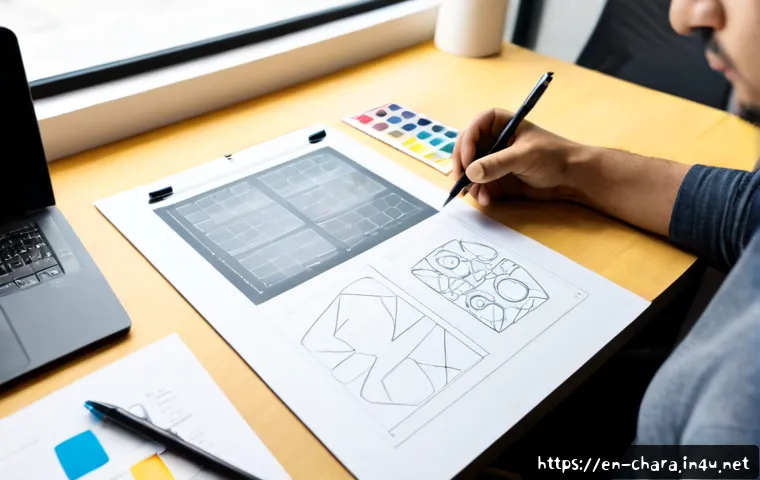
Character design remains a practical career and production investment when the work is built for clear storytelling, defined usage, and repeatable production.

Independent creators often benefit from freelance flexibility, startups may need focused project support, and larger brands usually need stronger systems for consistency and IP management.
The right choice depends less on a single visual style and more on ownership, revision needs, delivery formats, and future reuse. Design software subscriptions, outsourcing quotes, and licensing terms should be compared before a project begins.
AI-assisted tools can speed up early exploration, but they do not remove the need for art direction, rights review, or production-ready files. A strong character is not only appealing in one illustration; it should work across the places where audiences will actually see it.
At a Glance
- Freelancers can suit focused briefs, portfolio projects, and flexible one-off commissions.
- Studios and retained specialists can be useful when a project needs coordinated reviews, multiple deliverables, or dependable brand consistency.
- In-house teams may fit organizations that need ongoing character development across products, campaigns, and IP-driven content.
| Production route | Control | Cost predictability | Speed and feedback | IP considerations |
|---|---|---|---|---|
| Freelance commission | Direct access to the designer and the brief | Depends on scope, revisions, and usage rights | Can move quickly with one clear decision-maker | Define ownership, reuse, credit, and source-file access |
| Design studio | Structured process with broader production support | Often clearer when deliverables are specified early | Useful for managed review cycles and larger projects | Review licensing, subcontracting, and final asset ownership |
| In-house team | High day-to-day creative and brand control | Ongoing staffing and software costs require planning | Supports continuous iteration across departments | Internal processes can simplify long-term asset stewardship |
Where Character Design Is Heading—and What Is Changing Now
The growing overlap of games, animation, social media, virtual creators, and branded content
Character design increasingly travels across formats. A mascot may begin in a social campaign, then appear in short animation, product packaging, a game-related activation, or merchandise. This makes adaptability more valuable than a polished single image. A character brief should identify likely channels early so the designer can plan poses, expressions, color behavior, proportions, and simplified variants.
Why strong visual storytelling still matters beyond trend-driven styles
Style trends change quickly, but a useful character still needs a readable role, silhouette, emotional range, and relationship to its audience. A memorable concept answers simple questions: who is this character, what do they do, and why should people recognize them? Trend references can help establish direction, but relying too heavily on imitation may create approval problems and weaken long-term brand identity.
Which route fits creators, startups, and larger teams?
Independent creators may prefer a freelance character designer when the scope is contained and direct collaboration matters. Startups may benefit from a specialist studio or retained designer when they need a defined identity system and several launch assets. Established brands may need an in-house lead or long-term production partner when character assets must remain consistent across frequent campaigns and multiple teams.
Comparing Career and Production Models: Freelancer, Studio, or In-House Team
Control, speed, feedback cycles, and long-term brand consistency
A freelancer can offer a close creative relationship, but the client should avoid sending scattered feedback from too many stakeholders. A studio can create a clearer approval path, especially when illustration, motion, 3D, and brand applications need coordination. An in-house team provides continuity, although it requires a sustainable workload and clear ownership of creative decisions.
For designers, the career choice is similar. Freelance illustration offers independence and variety, while studio roles can expose artists to established pipelines. In-house roles may provide deeper knowledge of one product or brand. None is automatically better; the best fit depends on the preferred pace, collaboration style, and type of portfolio being built.
What affects a character design budget and project quote
A character design quote is shaped by more than the final illustration. Common cost drivers include concept complexity, number of character views, expression sheets, costume variations, revision rounds, turnaround expectations, source files, and requested usage rights. A design intended only for a limited campaign may need a different agreement from one expected to support animation, game production, or commercial merchandise.
Clients should request quotes using the same brief for every vendor. That makes comparison more meaningful than choosing based on a portfolio image alone. Designers should state what is included, what triggers extra work, and which files will be delivered at approval.
When a retained designer or specialist studio may offer better value than one-off commissions
One-off commissions can work well for a contained need. However, a retained designer or specialist studio may be a better fit when a brand expects recurring updates, seasonal campaigns, new poses, localization, or multiple content formats. The value comes from familiarity with the character system, not simply from producing more artwork. Before committing, confirm response expectations, review process, file management, and whether the agreement covers future adaptations.
Tools and Workflows Shaping Professional Character Design
Drawing, 3D, collaboration, asset-management, and real-time production workflows
Professional workflows may combine drawing software, 3D tools, shared review spaces, asset libraries, and real-time production environments. The best design software plan is not always the one with the most features. Select tools based on the required output: layered illustration, vector graphics, 3D reference, rigging preparation, collaborative review, or organized asset handoff.
Before choosing a creative software subscription, check commercial-use terms, team access, file compatibility, export options, storage practices, and whether collaborators can open the delivered files. A tool that supports early sketching may not be the best tool for final production handoff.
AI-assisted ideation: useful roles, review requirements, and commercial-use cautions
AI-assisted ideation can help teams explore broad mood directions, pose ideas, or internal discussion prompts. It should not replace a clear brief, human review, or a documented approval process. Teams should be especially careful when references are close to recognizable styles, when assets may be used commercially, or when a client expects exclusive ownership.
Commercial-use rules and legal treatment can vary by platform, contract, and jurisdiction. Review the relevant terms directly before using AI-assisted outputs in a client project, advertising campaign, game, or merchandise line. Keep records of the design process where practical, especially when original development and rights ownership matter.
Building production-ready handoff files for animation, games, campaigns, and merchandise
A finished image is not always a finished production asset. Animation may require separated layers and clear construction. Games may need readable silhouettes, consistent scale references, and organized variants. Marketing teams may need approved poses, backgrounds, logo-safe layouts, and color guidance. Merchandise production may require simplified artwork that remains clear at different sizes.
Ask for a handoff list before design begins. It can include final image formats, editable files, naming conventions, approved color versions, pose sheets, turnaround views, and a record of what may be changed later.

Practical Risks That Can Undermine a Strong Character Concept
Unclear ownership, usage rights, and revision limits
Many avoidable disputes begin with vague language. A contract or written agreement should clarify who owns the final work, where it may be used, whether exclusivity applies, whether source files are included, and how many revision rounds are covered. Do not assume that commissioning artwork automatically answers every licensing question.
Designing for a single illustration instead of multi-channel use
A detailed hero image can look impressive while still failing in practical use. Test whether the character remains recognizable as a small social icon, a simplified marketing graphic, a motion asset, or a product label. If expansion is likely, plan a character system rather than commissioning only one polished pose.
Style imitation, inconsistent references, and weak approval processes
Reference boards should describe desired qualities instead of asking for a near-copy of a specific artist or franchise. Use references for mood, audience, color behavior, and production needs. Keep feedback consolidated, name an approver, and document major decisions. This protects both the client and the designer from late-stage confusion.
Choosing a Direction Based on Your Goal
Portfolio-building and entry-level freelance work
New designers can build stronger portfolios by showing process as well as final art. Include character exploration, turnaround thinking, expression range, and examples of how a design could work beyond one illustration. Clear project descriptions help prospective clients understand the type of work you want to accept.
Brand mascots and marketing characters for small businesses
Small businesses should start with the audience and the use case. A mascot for local promotions may need a different approach from a character for an online product community. Keep the first brief focused: purpose, personality, required channels, essential deliverables, feedback contacts, and intended usage. This helps make freelance outsourcing quotes easier to compare.
Scalable pipelines for game, animation, and IP-driven projects
For larger projects, establish a pipeline before commissioning a large volume of art. Define who approves concepts, how versions are stored, what files downstream teams need, and which design rules must remain stable. Strong IP licensing practices and asset documentation can be as important as visual quality when several vendors or departments touch the same character.
Selection Criteria and Comparison Summary
Before choosing a designer, studio, software plan, or outsourcing partner, check portfolio relevance, production capability, communication process, included deliverables, revision boundaries, rights language, and file compatibility. Compare project quotes against the same written brief rather than against a single attractive sample. Ask whether the work must support future animation, games, localization, campaigns, or merchandise, because those needs affect both workflow and licensing requirements. For software subscriptions and vendor selection, review the official plan details, commercial-use conditions, and project-specific terms on the relevant provider page before committing.
Closing Thoughts
The future of character design is not limited to one tool or platform. Designers and clients who define purpose, rights, and production needs early are better positioned to make useful decisions. AI-assisted workflows may change ideation, but clear visual storytelling and careful handoff remain essential. A character becomes more valuable when it can evolve without losing its identity.
Useful Things to Know
1. A portfolio should show how a character functions, not only how it looks.
2. A quote is easier to evaluate when deliverables and rights are written down.
3. Editable files and final usage rights are separate items that should be discussed directly.
4. Early production planning can reduce rework when a character moves into motion, games, or merchandise.
Important Notes
Future demand, freelance rates, software adoption, and the treatment of AI-generated assets vary by market, platform, contract, and jurisdiction. Individual income cannot be predicted because it depends on portfolio strength, clients, usage rights, production scope, and negotiation. Verify software features, subscription pricing, commercial-use rules, and licensing language directly before purchase, deployment, or signing an agreement.
Frequently Asked Questions
Q1. Is character design still a viable career as AI design tools become more common?
A1. It can remain viable for designers who offer clear visual thinking, reliable communication, production awareness, and original problem-solving. AI tools may change parts of ideation, but clients still need designers who can interpret a brief, build coherent systems, prepare usable files, and navigate feedback responsibly.
Q2. What should a business include in a character design brief before requesting quotes?
A2. Include the project goal, intended audience, planned channels, desired deliverables, reference direction, decision-makers, timing expectations, revision process, and expected usage. Also state whether the character may later be used in animation, games, advertising, or merchandise.
Q3. Should I hire a freelance character designer, work with a studio, or build an in-house team?
A3. Choose a freelancer for a focused project and direct collaboration, a studio for managed multi-skill production, or an in-house team for ongoing character work that requires close brand control. Compare each option using the same criteria: scope, speed, budget structure, rights, review process, and future reuse.