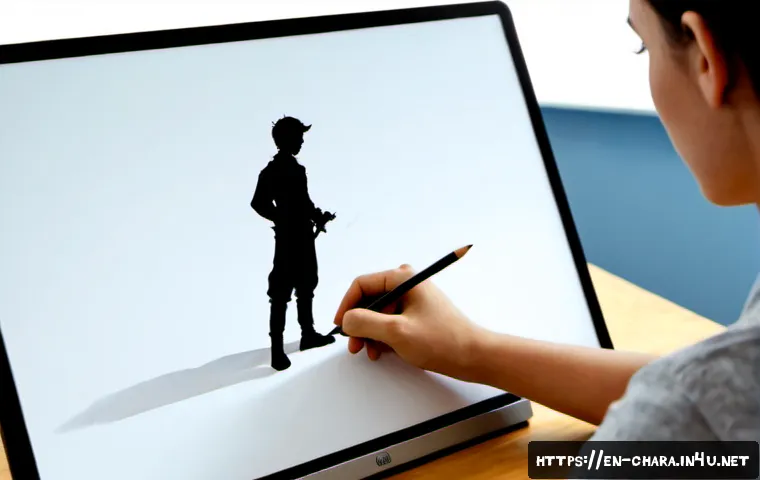
Character design credentials can support structured learning, but hiring decisions still depend heavily on portfolio quality. Compare certificate types, costs, industry trends, and practical selection criteria before enrolling.

A character design certificate can be useful when it gives you structured practice, informed feedback, and stronger portfolio pieces. It is not a standardized license, and most hiring decisions still depend on the quality, clarity, and production readiness of your portfolio.
For many learners, the best investment is the one that closes a visible skill gap rather than simply adding a completion badge. Comparing feedback models, software requirements, and portfolio outcomes before paying can help you choose a course, mentorship, or self-directed route with more confidence.
Character design is used in animation, games, publishing, advertising, collectibles, and branded digital content. That range creates different career paths, but it also means each client or employer may assess credentials differently.
Use a certificate as evidence of focused learning, not as a substitute for original work samples. Your decision should start with the kind of work you want to make and the skills your current portfolio does not yet show.
At a Glance
- Portfolio evidence drives most decisions: employers and clients commonly look for storytelling, anatomy, style range, turnarounds, and production readiness.
- Certificates can add structure: they may provide deadlines, guided assignments, and portfolio feedback, but recognition varies by provider and audience.
- Compare the full investment: tuition is only one part of the decision; software, hardware, mentorship, and revision feedback can also matter.
| Training Path | Typical Cost Category | Best Fit | Main Career Value |
|---|---|---|---|
| Self-directed learning | Lower ongoing cost | Independent learners with clear goals | Flexible portfolio building through consistent practice |
| Online certificate program | Moderate to higher cost | Learners who need a curriculum and deadlines | Structured projects and documented course completion |
| Portfolio mentorship | Moderate to higher cost | Artists who need targeted critique | Direct feedback on work samples and presentation |
| Formal design program | Higher total cost | Students seeking a broad creative education | Longer-term training across design and production skills |
What Today’s Character Design Market Rewards
Why visual storytelling and production-ready portfolios matter
A character design portfolio is more than a gallery of polished faces. It commonly helps reviewers assess visual storytelling, silhouette design, anatomy, expressions, poses, style range, and turnaround design. A strong selection of work makes it easier to understand how a character functions in a story, game, campaign, or product line.
Production readiness also matters. A client or studio may need designs that can move into illustration, animation, 3D work, marketing assets, or an asset-management system. Show enough clarity that another person could understand the character’s proportions, clothing details, personality, and usable views.
Where character designers work beyond games and animation
Games and animation are visible destinations, but character design also appears in publishing, advertising, collectibles, and branded digital content. An author may need consistent characters for a book project. An indie game team may need readable design sheets. A small business may need a mascot that works across social content and promotional materials.
This variety is useful for career changers. It also means you should avoid assuming that one certificate will carry equal recognition across every market. Match your training examples to the work you want to pursue.
How AI-assisted workflows are changing—not replacing—core design skills
AI-assisted creative tools are increasing the value of documented authorship, adaptable workflows, and sound design judgment. Tools may change parts of production, but they do not remove the need to make purposeful visual decisions. Clear storytelling, a convincing shape language, and workable revisions remain valuable.
Keep your process organized. If you use digital tools, be ready to explain what you created, how the design evolved, and what rights apply to the finished work. Unclear ownership can create problems when presenting work to clients or employers.
Do Certificates Improve Character Design Career Prospects?
What a credible program can provide: structure, feedback, and deadlines
A good character design course can give you a sequence of assignments that is difficult to recreate alone. It may also provide critiques, project deadlines, and a reason to finish work instead of collecting tutorials. For beginners, that structure can be the real value behind a certificate.
Look closely at the feedback model. General encouragement is different from specific comments on silhouettes, pose clarity, anatomy, presentation, and revision choices. Compare course feedback models before paying, especially if portfolio improvement is your main goal.
What a certificate cannot prove on its own
Character design certificates are not standardized professional licenses. Their quality and employer recognition can vary widely. A completion badge does not automatically demonstrate that you can develop a character through multiple views, respond to revision notes, or deliver files in a practical production workflow.
Do not treat enrollment as a guarantee of employment, freelance income, or higher rates. Before committing, check whether the program’s assignments can become original work samples that fit your intended role.
Portfolio-first versus credential-first hiring signals
A portfolio-first approach leads with what you can do now. A credential-first approach leads with the training you completed. In character design, the stronger approach is often to use both in the right order: let the portfolio show your skill, and let the program name provide helpful context about how you developed it.
If your current work already has clear weaknesses, investing in portfolio mentorship may be more relevant than paying primarily for certificate branding. If you lack a basic process and need accountability, a structured online art course may be a sensible starting point.
Compare Training Paths by Cost, Time, and Career Value
Self-directed learning and software-based practice
Self-study gives you control over pace, subjects, and software choices. It can work well when you can set a project brief, finish a series of related designs, and honestly review your own gaps. The challenge is that independent practice may not reveal presentation problems or repeated design habits.
Creative software subscriptions and 3D tools can support learning, but avoid buying tools simply because they appear in a job description. Start with the workflow needed for your current portfolio goal, then expand as your projects require it.
Online certificate programs and specialist courses
Online certificate programs can be useful when they offer assignments aligned with professional character design work. Review whether the curriculum includes visual development, expressions, poses, turnarounds, revision, and portfolio presentation. Also ask whether instructors give direct feedback or whether evaluation is mainly based on completion.
Exact tuition, examination, mentorship, and software costs vary by provider and location. Review software and portfolio-review costs together rather than comparing tuition alone.
Portfolio mentorships, degree programs, and studio-focused training
Mentorships can be valuable for artists who already have work but need expert direction. A formal design program can provide broader exposure to creative disciplines and longer-term project development. Studio-focused training may appeal to learners who want assignments shaped around production expectations.
No path is automatically superior. The practical question is whether the program gives you stronger, more relevant evidence of your ability than the alternatives available within your budget and schedule.
Total-cost checklist: tuition, hardware, software, and revision feedback
Before enrolling, list the full cost picture: tuition, required hardware, illustration software, 3D tools, collaboration platforms, portfolio reviews, and additional revision support. A lower-priced course may require tools or feedback services that change the total investment. A higher-priced option may not be worthwhile if its projects cannot be shown in your portfolio.

Build Work That Matches Professional Character Design Pipelines
Essential portfolio pieces: silhouettes, expressions, turnarounds, and poses
A focused character design portfolio can include silhouette exploration, expression sheets, key poses, and turnaround views. These pieces show more than rendering ability. They help a reviewer see consistency, personality, proportion, and how the design reads from different angles.
Choose fewer projects with a clear purpose rather than many unrelated images. A small set of characters designed for a believable brief can communicate stronger production awareness than a large collection of unfinished concepts.
Showing process without overloading the portfolio
Process can support your finished work when it is brief and relevant. Include selected thumbnails, shape exploration, or a short progression from early concept to final design. The goal is to show decision-making, not to upload every sketch.
Keep the final design easy to find. A reviewer should not need to search through process images to understand your strongest work.
Common mistakes: copying trends, weak presentation, and unclear ownership rights
Trend-following can make a portfolio feel interchangeable when there is no personal design logic behind it. Weak presentation can also hide good work: unclear labels, inconsistent image sizes, and missing views make evaluation harder. Another important issue is ownership clarity. Be careful when using course briefs, collaborative projects, reference material, or AI-assisted tools.
For freelance work, learn the basics of pricing, licensing, contracts, revision policies, and client communication. Those business skills are separate from drawing ability, but they affect how reliably you can work with clients.
Choose the Right Route for Your Career Goal
For entry-level applicants targeting studios
Prioritize portfolio pieces that demonstrate design consistency and production-ready thinking. A certificate may help organize your learning, but your work should clearly show storytelling, turnarounds, poses, and the ability to refine a concept. Seek feedback that identifies what is missing from your portfolio rather than feedback that only confirms completion.
For freelancers serving authors, indie games, and small businesses
Focus on usable deliverables and communication. Clients may need character sheets, mascot concepts, promotional illustrations, or assets that work across digital content. Along with art training, consider freelance business tools that help with contracts, revision policies, file delivery, and project organization.
For professionals adding character design to an existing creative role
If you already work in illustration, graphic design, marketing, or another creative field, a short specialist course or mentorship may be more efficient than a broad program. Build samples that connect character design to your existing strengths, such as branded content, editorial illustration, or visual campaigns.
Selection Criteria and Comparison Summary
Use these checks before making a decision:
- Instructor experience: Can you verify that the instructor’s background is relevant to the work you want to do?
- Feedback depth: Will you receive practical critique and revision guidance on your own projects?
- Portfolio outcome: Can the assignments become original, production-ready work samples?
- Commercial-use rights: Are the rules for course projects, assets, and final work clearly explained?
- Total cost: Have you included software subscriptions, hardware, tools, and portfolio review expenses?
- Career fit: Does the curriculum match studio applications, freelance services, or your current creative role?
Practical decision rule: if a program cannot explain its feedback process, project rights, required tools, and portfolio relevance, compare alternatives before paying. Review the official program details and full software requirements on the relevant provider page.
Final Thoughts
A character design certificate can be a useful learning tool, especially when you need structure and informed critique. It becomes more valuable when the training results in work that clearly improves your portfolio. The strongest choice is usually not the most heavily branded option, but the route that helps you create original, well-presented designs for your intended market. Keep the portfolio at the center of the decision.
Helpful Things to Know
1. Character design work can connect to several industries, so tailor samples to the type of clients or employers you want.
2. Portfolio mentorship is most useful when you can name a specific gap you need help fixing.
3. Software matters, but clear design judgment and organized project files are also part of practical digital workflows.
4. Freelancers benefit from learning client communication, licensing, contracts, and revision policies alongside art skills.
Important Notes
Certificate recognition, tuition, software requirements, examination costs, and mentorship pricing vary by provider and location. Completing a course does not guarantee studio employment, freelance income, higher rates, or demand in a particular specialization. Confirm program terms, instructor access, commercial-use rights, and current costs directly before enrolling.
Frequently Asked Questions
Q1. Are character design certificates worth paying for?
A1. They can be worth paying for if they provide structure, meaningful feedback, and portfolio projects that address your current skill gaps. A certificate alone is less persuasive than strong, original work samples.
Q2. Do studios hire character designers without a degree or certificate?
A2. A portfolio is commonly used to assess character design ability, including storytelling, style range, anatomy, turnarounds, and production readiness. Requirements can vary by studio, role, and market, so review each opportunity carefully.
Q3. What should I compare before enrolling in an online character design program?
A3. Compare instructor relevance, feedback quality, assignment outcomes, required software, total cost, commercial-use rights, and whether the program supports the kind of portfolio you need for your career goal.