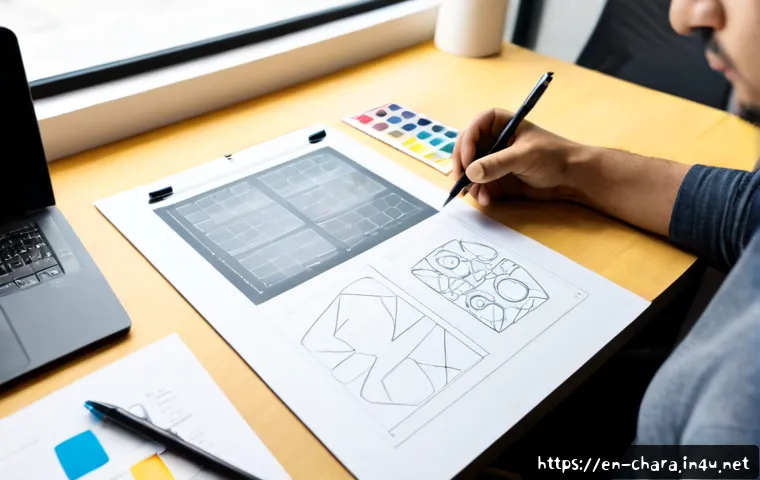
Custom character design is worth considering when it gives your brand a clearer, repeatable way to explain, welcome, or guide customers. It is less useful when it is only decorative and has no defined role in your marketing.
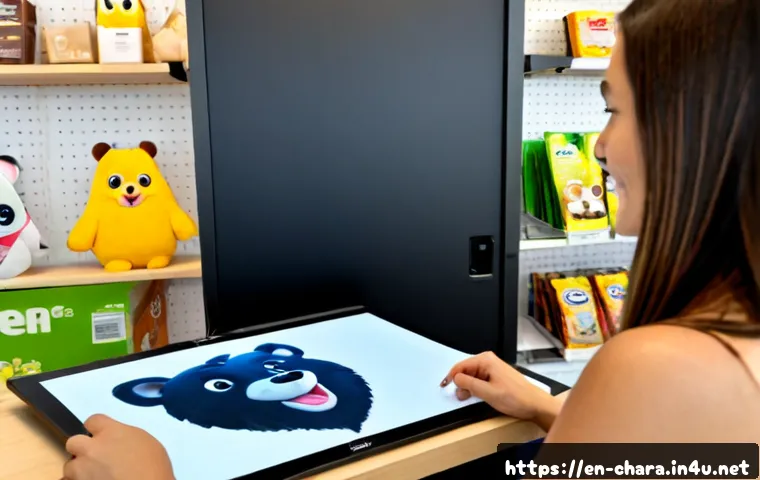
For many businesses, the practical choice is not simply “mascot or no mascot,” but whether a freelancer, creative studio, or in-house team can deliver the right scope.
A strong character can support recognition across advertising, social media, packaging, websites, and customer communications. Before setting a branding project budget, define the channels, usage rights, revisions, and reusable assets you actually need.
This makes it easier to compare a custom character design agency with a freelance illustrator on more than style alone.
At a Glance
- A brand character creates value when it supports a clear marketing job, such as explaining a service or making a product feel more approachable.
- Character design includes personality, expressions, poses, tone of voice, visual rules, and usage guidelines—not only one illustration.
- Before hiring, confirm deliverables, revision terms, source files, and licensing for paid ads, merchandise, and international use.
| Option | Best Fit | Main Advantage | Key Check Before Hiring |
|---|---|---|---|
| Freelance illustrator | A defined visual execution project | Direct collaboration and focused production | Confirm marketing usage rights and reusable asset scope |
| Creative studio or branding agency | Multi-channel launches or a broader brand system | Can connect character design to strategy and campaign formats | Clarify what is included beyond the initial concept |
| In-house creative team | Ongoing campaigns and frequent content needs | Strong day-to-day brand control | Make sure the team has time for governance and production |
When a Brand Character Creates Real Marketing Value
The role of recognition, emotion, and message recall
A well-defined character can become a recognizable visual anchor for a brand. Unlike a logo, which may appear briefly in a corner of a page or advertisement, a character can act, react, explain, and appear in different customer moments. That flexibility can help a campaign feel connected across social media, email, web pages, packaging, and customer communications.
The value comes from consistent use, not from adding a mascot to every asset. If the character’s appearance, personality, or behavior changes too often, customers may have less opportunity to recognize it. Set simple rules for colors, proportions, expressions, and voice before expanding the character into new campaigns.
When a character helps explain products or services
Characters are especially useful when a business needs to make something unfamiliar, technical, or intimidating feel easier to approach. A digital product may use a character to guide a new user through a feature. A service business may use one to introduce steps in a customer process. A consumer brand may use one to communicate product benefits in a more friendly, visual way.
Ask one direct question: What job will this character perform for the customer? If the answer is “help users understand onboarding” or “make our seasonal campaign easier to recognize,” the project has a clearer marketing purpose. If the answer is only “we want something cute,” the scope may need more strategic thought.
Signs that a logo alone may be enough
A character is not automatically the right branding investment. A logo alone may be sufficient when the brand needs a highly restrained visual presence, has limited campaign activity, or cannot realistically maintain character consistency across channels. It may also be better to first strengthen core brand messaging, visual identity, or product positioning.
Do not commission a large mascot branding project simply because competitors use one. The character should support the audience, the product category, and the way your business communicates.
Character Design Options: Freelancer, Creative Studio, or In-House Team
Comparing strategic input, production capacity, turnaround, and control
A freelance illustrator can be a good choice when the brief is clear and execution is the main need. This can work well for a single character concept, a focused set of poses, or a campaign illustration system. The buyer should be ready to provide brand direction and feedback.
A creative studio or custom character design agency may be a stronger fit when the project requires messaging, brand strategy, campaign planning, multiple formats, or coordination across several channels. Studios can help build a broader system, but the proposal should clearly separate strategy, character development, production assets, and ongoing support.
An in-house team offers close control when a brand needs regular updates, social content, product communication, or repeated campaign adaptations. However, internal ownership works best when there is enough capacity to protect the character guidelines and create assets consistently.
What affects project scope, licensing, and budget
A character design budget cannot be assessed from one sample image alone. The required scope can change based on deliverables, revision rounds, animation needs, campaign channels, source files, and usage rights. A character used only on a website may require a different agreement from one appearing in paid advertising, merchandise, or international campaigns.
Before comparing a freelance illustrator with a branding agency, request a scoped proposal. It should state what concepts, final files, poses, expressions, formats, and revisions are included. It should also clarify licensing and ownership terms in writing. Do not assume that receiving artwork automatically gives a business every future usage right.
A practical comparison table for business buyers
For a narrow execution project, a freelancer may provide the most direct path. For an integrated launch, a studio may offer stronger planning across brand touchpoints. For frequent long-term use, an in-house team may create better continuity. The right option depends on your internal direction, required deliverables, speed needs, and ability to manage the work after launch.
Turning a Visual Character Into a Usable Marketing Asset
Define the audience, brand personality, and campaign objective
Start with the people you want to reach. Consider the audience’s expectations, the product experience, and the emotional tone your brand should convey. Then define a specific campaign objective. A character for customer onboarding should behave differently from one designed for retail packaging or community-building content.
Give the character a clear role and personality. Helpful traits might include calm, curious, practical, energetic, or reassuring. These choices should connect to the brand voice rather than the personal taste of one stakeholder.
Build expressions, poses, formats, and brand-use guidelines
One polished illustration is rarely enough for marketing use. A usable character system may need different expressions, poses, crops, background options, and file formats. It may also need guidance on what the character should and should not do, especially in professional or sensitive customer situations.
Ask whether the project includes source files, resized versions, transparent backgrounds, and basic usage guidance. These details can affect how easily your team can apply the character across future landing pages, ads, social posts, and presentations.
Plan use across web, email, social media, ads, and packaging
Map intended placements before approving a design direction. A small email header, a mobile interface, a social post, and retail packaging each create different visual requirements. Planning early helps avoid ordering a design that looks good in one setting but is difficult to use elsewhere.
For paid advertising and campaign distribution, confirm that the proposed license covers the intended channels. For packaging or merchandise, verify those use cases separately rather than treating them as assumed.
Common Mistakes That Reduce the Value of Branded Characters
Designing for personal taste instead of audience relevance
A founder or manager may love a character style that does not match customer expectations. Use the audience, product category, and brand position as the decision filters. A good character should feel intentional, not like an unrelated personal project.
Ordering one illustration without planning reusable assets
A single hero image can be useful, but it may not support a full marketing plan. If you expect ongoing content, define a reusable asset set from the beginning. This might include key expressions, standard poses, common crops, and approved tone-of-voice examples.
Overlooking ownership, revisions, accessibility, and channel requirements
Review rights and revision terms before work begins. Confirm who can edit files, what happens if new formats are needed, and whether future artists can work from the original source material. Also consider accessibility: visual content should not carry essential meaning without clear supporting text where needed.
Marketing Use Cases by Business Type
Startups and SaaS brands: making unfamiliar services easier to understand
For startups and digital products, a character can help make a new service feel less abstract. It may introduce product steps, support onboarding, or add a recognizable guide to customer communications. The design should remain useful at small sizes and work within the product interface as well as campaign material.
Retail and consumer products: packaging, seasonal promotions, and community building
Consumer brands can use a character on packaging, promotional creative, and seasonal campaigns. The main consideration is consistency. Customers should be able to recognize the character even when the campaign theme or product format changes. If merchandise is planned, confirm those rights before commissioning the artwork.
Service businesses: building warmth without weakening professional trust
Service businesses can use characters to make customer communication warmer without becoming overly casual. A character may explain a booking process, introduce educational content, or make reminders friendlier. Keep the design aligned with the level of trust and professionalism customers expect from the service.
Selection Criteria and Comparison Summary
Use this short checklist before choosing a creative partner:
- Marketing role: Can you state the customer problem or campaign task the character will support?
- Deliverables: Are concepts, final artwork, poses, expressions, source files, and format variations listed?
- Usage rights: Does the written agreement cover your intended web, social, paid advertising, packaging, merchandise, or international use?
- Brand
- Future use: Can your team maintain the character consistently after the initial project?
Choose a freelancer when execution is the primary need and your brief is already well defined. Choose a studio when strategy, brand systems, or several campaign channels are involved. Before approving a proposal, ask what is included, what requires an additional scope, who owns which files, and how future adaptations will be handled. For a meaningful comparison, request a creative quote based on the same written brief from each potential partner.
Final Thoughts
Character design can support marketing when it gives a brand a consistent and useful way to communicate. The strongest projects begin with a defined audience, role, and set of real campaign placements. Style matters, but usability, licensing, and consistency matter just as much. Treat the character as a long-term brand asset rather than a one-time illustration.
Useful Things to Know
1. A character can be effective without appearing everywhere; selective, consistent placement is often more practical.
2. Paid advertising, merchandise, and international activity may require specific licensing discussions.
3. Source files and usage guidelines can make future campaign updates easier to manage.
Important Considerations
No fixed return on investment can be assumed for character-led marketing. Project scope, pricing, ownership, and licensing depend on the brief, location, experience level, deliverables, and written agreement. Confirm the exact terms with the chosen freelance illustrator, creative studio, or in-house team before work begins.
Frequently Asked Questions
Q1. Is character design worth the cost for a small business?
A1. It may be worth the investment when the character solves a clear marketing need, such as explaining a service, improving campaign consistency, or making customer communication more approachable. A small business should first define where the character will be used and what reusable assets are needed.
Q2. Should a brand hire a freelance illustrator or a branding agency for a mascot?
A2. A freelance illustrator may suit a focused execution project with a clear brief. A branding agency or creative studio may be more suitable when the work includes brand strategy, multiple campaign channels, guidelines, or a broader visual system. Compare proposals based on scope and rights, not style alone.
Q3. What should be included in a character design brief for marketing use?
A3. Include the audience, brand personality, marketing objective, intended channels, required deliverables, preferred formats, revision process, and expected usage rights. Also state whether the character may be used in paid ads, packaging, merchandise, or international campaigns.