In today’s fast-evolving entertainment landscape, character design has become a pivotal force shaping how stories come to life across games, animation, and film.

As the demand for unique and compelling visuals grows, so do the opportunities—and challenges—faced by character designers. If you’ve ever wondered what it takes to bring a fictional persona from concept to screen, you’re in for an insightful journey.
Let’s dive into the creative process behind character design, exploring the rewards that fuel passion and the obstacles that test perseverance in this dynamic career.
Whether you’re an aspiring artist or simply curious, this exploration offers a fresh perspective on a truly fascinating profession.
The Art of Breathing Life into Imaginary Worlds
Crafting Personalities Beyond Appearances
Character design is far more than drawing a visually appealing figure; it’s about embedding a personality that resonates with audiences. When I first started, I realized that a character’s look must reflect their backstory, motivations, and emotions.
For instance, subtle details like the curve of a smile or the tilt of a head can convey confidence, vulnerability, or mischief. This process often involves deep storytelling collaboration with writers and directors to ensure that every line and color choice supports the character’s narrative arc.
It’s incredibly rewarding when viewers connect emotionally with a character you helped shape, making all the late nights worth it.
Balancing Originality with Audience Expectations
One of the trickiest parts is striking the right balance between creating something fresh and meeting what fans or producers expect. I’ve often faced situations where a character needed to feel unique but still recognizable within a franchise or genre.
That tightrope walk demands a lot of creativity and flexibility. For example, designing a new hero for a fantasy game meant incorporating familiar archetypes while adding unexpected elements to avoid clichés.
This challenge pushes designers to constantly innovate while respecting the established world, which keeps the job exciting and mentally stimulating.
The Role of Technology in Shaping Design
Advancements in technology have transformed how character designers work. When I began, most sketches were done by hand, but now digital tools allow for rapid iteration and experimentation.
Software like Blender or ZBrush lets you sculpt intricate details and see characters in 3D, which is a game changer for animation and games. However, mastering these tools is a continuous learning curve that requires patience and dedication.
The ability to blend artistic skill with technical proficiency opens new doors for expression and collaboration, making this career both dynamic and future-proof.
Collaborative Journeys: From Concept to Screen
Working with Diverse Creative Teams
Character design doesn’t happen in isolation. I’ve found that effective communication with writers, animators, and directors is crucial to bringing a character to life.
Each team member offers unique insights—writers provide personality context, animators advise on movement feasibility, and directors shape the overall vision.
Sometimes, this means revising designs multiple times to meet both artistic and practical needs. While it can be frustrating, the sense of accomplishment when a character perfectly fits into the story is unmatched.
It’s a reminder that teamwork fuels the magic behind the scenes.
Feedback Loops and Iterative Refinement
Receiving and integrating feedback is a vital part of the creative process. Early in my career, I struggled with criticism, but over time, I learned to view it as an opportunity to improve rather than a setback.
Iterative refinement means that initial concepts often evolve significantly before final approval. For example, a character might start with a rough silhouette and undergo changes in posture, color scheme, or accessories based on team input.
This back-and-forth can be time-consuming but ultimately leads to a stronger, more cohesive design that better serves the project’s goals.
Balancing Creative Freedom and Project Constraints
Every project comes with its own set of limitations—budget, deadlines, target audience, and platform capabilities. I’ve experienced moments where I had to simplify complex designs to fit within technical restrictions or tight schedules.
While this can feel limiting, it also fosters creative problem-solving. Finding innovative ways to convey character traits with fewer details or using color strategically to imply depth are some tactics I developed.
Embracing constraints as creative challenges rather than obstacles has made my work more adaptable and resilient.
Mastering the Visual Language of Character Design
Understanding Anatomy and Proportions
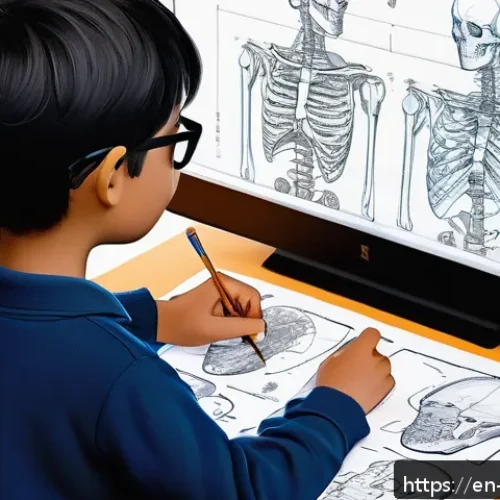
A solid grasp of anatomy is foundational in character design. I spent countless hours studying human and animal forms to make characters believable, even when stylized.
Knowing how muscles move or how joints bend helps create poses that feel natural and expressive. This knowledge also aids in designing characters with exaggerated features that still maintain a sense of weight and balance.
It’s fascinating how small tweaks in proportions can dramatically alter a character’s personality—from heroic and imposing to quirky and approachable.
Color Theory and Emotional Impact
Colors are powerful tools for conveying mood and personality. I learned early on that choosing a character’s color palette affects audience perception on a subconscious level.
Warm hues like reds and oranges can suggest energy or aggression, while cool blues and greens often evoke calmness or mystery. Sometimes, combining contrasting colors adds complexity and visual interest.
I recall designing a character with an unexpected pop of neon that made them instantly memorable and visually dynamic. Experimenting with color psychology has become one of my favorite parts of the creative process.
Symbolism and Iconography in Design
Incorporating symbolic elements can deepen a character’s storytelling without words. Whether it’s a tattoo, a piece of jewelry, or a signature weapon, these details communicate history and values.
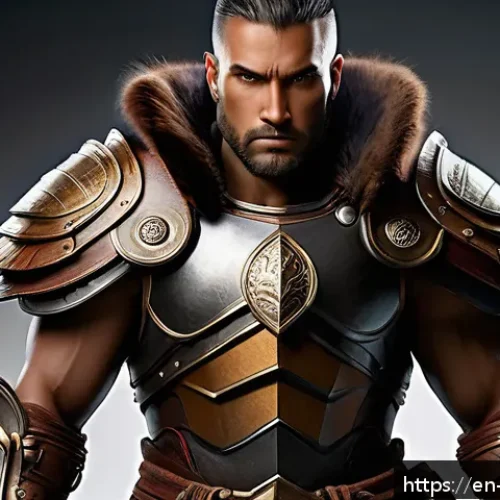
For example, I once designed a warrior character whose armor featured subtle motifs representing their homeland’s culture, adding layers of meaning for attentive viewers.
These visual cues enrich the narrative and invite fans to explore the character’s background more deeply. It’s a subtle but powerful way to create emotional connections.
Overcoming Common Hurdles in Character Design Careers
Managing Creative Burnout
Like many creative professions, character design can lead to burnout, especially under tight deadlines or repetitive tasks. I’ve faced moments where inspiration felt drained, and motivation waned.
What helped me was stepping away briefly, seeking inspiration from nature, films, or even everyday people. Sometimes, just sketching without pressure or exploring new styles reignited my passion.
Understanding the importance of mental breaks and self-care is crucial to maintaining long-term creativity and job satisfaction in this field.
Navigating Industry Competition and Criticism
The entertainment industry is highly competitive, and standing out as a character designer requires persistence. Early on, I struggled with rejection and harsh critiques, which tested my confidence.
Over time, I learned to view criticism as constructive feedback and to keep refining my skills. Building a strong portfolio, networking, and staying updated on industry trends also helped me find opportunities.
It’s a tough journey, but the satisfaction of seeing your characters come to life makes every challenge worthwhile.

Adapting to Rapidly Changing Trends
Trends in character design shift quickly, influenced by cultural shifts, technology, and audience preferences. Keeping pace requires continuous learning and flexibility.
For example, the rise of stylized, minimalist designs in mobile gaming pushed me to rethink my approach and experiment beyond detailed realism. Staying curious and open-minded has allowed me to evolve with the industry and keep my work relevant.
Embracing change rather than resisting it has been key to sustaining a successful career.
Tools and Techniques That Shape the Craft
Digital Platforms Revolutionizing Workflow
The transition from paper to digital has been transformative. Tools like Photoshop and Procreate offer unparalleled flexibility, from layering to undo functions, enabling faster iterations.
I remember how much time I saved switching to digital, especially when clients requested changes. Moreover, cloud-based collaboration tools have made remote teamwork seamless, which became invaluable during the pandemic.
Mastering these digital platforms has been essential for efficiency and creativity.
Traditional Skills That Still Matter
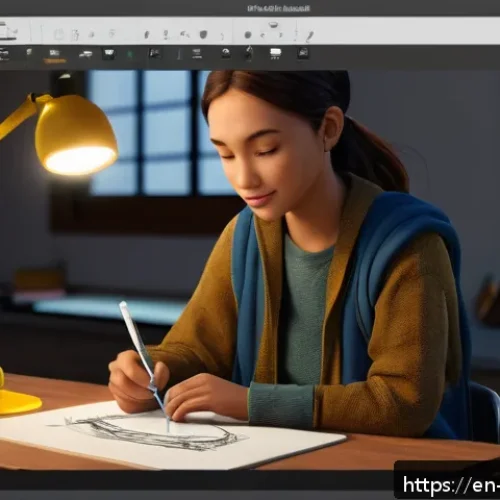
Despite digital dominance, traditional art skills remain vital. Sketching by hand helps me explore ideas freely without technical distractions. It also strengthens foundational skills like line quality and shading.
Sometimes, a quick pencil sketch conveys a concept more intuitively than a polished digital render. Maintaining a balance between traditional and digital methods enriches my process and broadens my creative toolkit.
Incorporating 3D Modeling and Animation Basics
Learning the basics of 3D modeling and animation has expanded my perspective on character design. Understanding how a character moves and looks from different angles helps create more versatile designs.
I’ve experimented with simple rigs to test expressions and poses, which improved communication with animators. This cross-disciplinary knowledge fosters smoother collaboration and results in characters that perform well in their intended medium.
Financial Realities and Growth Opportunities
Freelance Versus Studio Employment
Choosing between freelancing and working at a studio has significant implications. Freelancing offers freedom to select projects and set schedules but comes with income unpredictability and client hunting.
Studio jobs provide steady paychecks and resources but might limit creative control. I’ve experienced both and found that a hybrid approach suits me best—freelance for passion projects and studios for stability.
Understanding your priorities is key to navigating this decision.
Monetizing Your Character Design Skills
Beyond traditional employment, there are diverse ways to monetize character design. Selling original artwork, creating merchandise, or launching Patreon pages can generate passive income.
I once released a series of character prints online, which surprisingly boosted my visibility and earnings. Additionally, teaching workshops or creating tutorials taps into the growing demand for learning creative skills.
Diversifying income streams not only supports financial stability but also broadens professional reach.
Building a Sustainable Career Path
Long-term success in character design hinges on continuous skill development and networking. Setting realistic goals, seeking mentorship, and staying engaged with industry communities help maintain momentum.
I’ve attended conferences and online forums that provided invaluable insights and connections. Investing time in personal projects also keeps creativity fresh.
Viewing career growth as a marathon rather than a sprint fosters resilience and fulfillment.
| Aspect | Benefit | Challenge | Example/Tip |
|---|---|---|---|
| Creative Expression | Bringing unique characters to life | Balancing originality with client needs | Collaborate closely with writers for deeper narratives |
| Technology Use | Rapid prototyping and iteration | Steep learning curve for new software | Dedicate time weekly to master digital tools |
| Collaboration | Enhanced storytelling through teamwork | Reconciling differing creative opinions | Develop strong communication skills |
| Career Flexibility | Various monetization avenues | Income instability in freelancing | Build a diverse portfolio and client base |
| Skill Development | Expanded creative and technical abilities | Keeping up with evolving trends | Engage in continuous learning and experimentation |
Emotional Rewards and Personal Growth
Seeing Your Characters Impact Audiences
Few feelings compare to spotting your character featured in a game or animation and hearing how much they mean to fans. I remember the first time someone messaged me about how a character I designed inspired them—that moment was incredibly humbling and motivating.
These connections remind me why I chose this path and fuel my dedication to craft. It’s a unique joy to contribute to stories that touch lives in meaningful ways.
Developing Patience and Resilience
The journey of character design has taught me patience, especially when projects stall or feedback is tough. Learning to embrace delays and setbacks as part of the process has strengthened my resilience.
Each challenge is a lesson that ultimately sharpens my skills and broadens my perspective. This personal growth extends beyond work, influencing how I approach problems in everyday life.
Finding Fulfillment in a Lifelong Passion
Above all, character design is a career that feels like a calling rather than just a job. The constant blend of creativity, storytelling, and technology keeps me engaged and excited.
Every new project is a fresh canvas for expression, and the opportunity to evolve keeps the work vibrant. For those who love imagining new worlds and personalities, this profession offers endless fulfillment and the chance to leave a lasting creative legacy.
In Conclusion
Character design is a dynamic blend of creativity, storytelling, and technology that brings imaginary worlds to life. It demands patience, collaboration, and continuous learning to craft characters that resonate deeply with audiences. Every challenge faced is an opportunity to grow and innovate. Ultimately, this art form offers immense personal fulfillment and the chance to leave a lasting impact through memorable characters.
Helpful Information to Know
1. Developing a strong understanding of anatomy and color theory greatly enhances character believability and emotional appeal.
2. Embracing both traditional sketching and digital tools creates a versatile and efficient workflow.
3. Collaboration with writers, animators, and directors ensures your designs fit seamlessly into the story’s vision.
4. Balancing originality with audience expectations is key to creating characters that feel fresh yet familiar.
5. Diversifying income streams through freelancing, merchandise, or teaching can provide financial stability and professional growth.
Key Takeaways
Successful character design involves more than artistic skill—it requires adaptability, communication, and resilience. Navigating creative constraints and industry trends while maintaining your unique voice is essential. Prioritizing continuous skill development and embracing feedback helps refine your craft. Lastly, finding balance between creative freedom and practical limitations leads to stronger, more meaningful character creations that engage and inspire audiences.
Frequently Asked Questions (FAQ) 📖
Q: uestions about Character DesignQ1: What skills are essential for becoming a successful character designer?
A: To excel as a character designer, you need a strong foundation in drawing and anatomy, along with a keen eye for color theory and storytelling. Beyond technical skills, creativity and the ability to empathize with the character’s personality are crucial.
I’ve found that mastering digital tools like Photoshop or Procreate is just as important as traditional sketching since most projects demand quick iterations.
Communication skills also play a big role because designers often collaborate closely with writers, animators, and directors to bring the character’s essence to life.
Q: What are the biggest challenges faced by character designers in the entertainment industry?
A: One of the toughest challenges is balancing originality with client or project requirements. Sometimes, you might have a brilliant idea that doesn’t quite fit the story or brand guidelines, and learning to adapt without losing your creative spark can be frustrating.
Deadlines can also be intense, especially when revisions pile up. From personal experience, managing creative burnout is essential—stepping back to recharge often leads to better results than pushing through exhaustion.
Another challenge is keeping up with evolving technology and trends, which means constant learning.
Q: How does character design impact the storytelling process in games and animation?
A: Character design is more than just aesthetics; it’s a storytelling tool that conveys a character’s background, emotions, and motivations visually. When I worked on a project where the character’s look was closely tied to their narrative arc, it really emphasized how design influences audience connection.
A well-designed character can instantly communicate traits like bravery, vulnerability, or mystery without a single line of dialogue. This visual storytelling helps immerse players or viewers, making the experience memorable and emotionally engaging.