In today’s creative landscape, sustainability isn’t just a buzzword—it’s reshaping how character designers approach their craft and careers. As industries worldwide embrace eco-friendly practices, artists are finding innovative ways to reduce waste and energy consumption while maintaining artistic integrity.
This shift is opening new doors, blending environmental consciousness with cutting-edge design techniques. If you’re curious about how going green can boost your career and creativity in character design, you’re in the right place.
Let’s explore how sustainable practices are not only transforming the art itself but also the future opportunities for designers like you.
Eco-Conscious Materials in Character Design
Choosing Sustainable Textiles and Digital Resources
When it comes to designing characters, the choice of materials can have a surprisingly large environmental impact. Traditionally, artists have relied on synthetic fabrics, plastics, and other non-biodegradable materials for costumes, props, and prototypes.
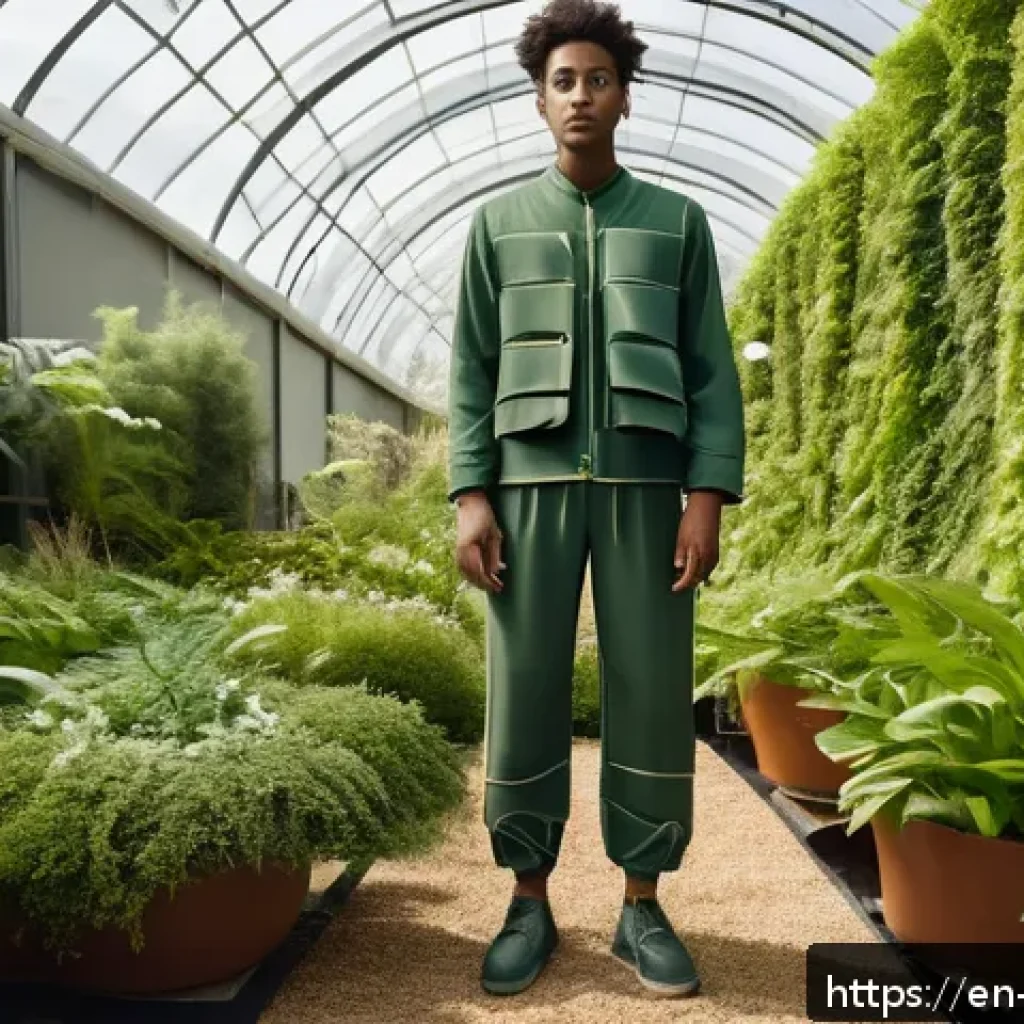
However, there’s a growing shift toward eco-friendly textiles such as organic cotton, hemp, and recycled polyester. These materials not only reduce the carbon footprint but also provide a fresh texture and aesthetic that can inspire unique character looks.
On the digital side, using energy-efficient software and optimizing file sizes to reduce storage needs can contribute to sustainability by lowering energy consumption during rendering and storage.
Minimizing Waste Through Smart Prototyping
Prototyping often involves trial and error, which can lead to excessive waste if not managed carefully. Sustainable character designers now embrace techniques like 3D printing with biodegradable filaments or reusing materials from previous projects.
This conscious approach minimizes landfill contributions and encourages designers to think creatively within eco-friendly constraints. For example, instead of discarding scraps from fabric samples, some designers repurpose them into accessories or smaller character elements, turning potential waste into value-added features.
Balancing Aesthetics and Eco-Responsibility
One challenge designers face is maintaining artistic freedom while adhering to sustainable principles. But the truth is, eco-conscious choices don’t mean compromising style or detail.
In fact, the limitations imposed by sustainable materials often push designers to innovate—experimenting with natural dyes, handcrafted textures, and minimalistic yet expressive designs.
This balance results in characters that not only look visually compelling but also tell a story of environmental awareness, which resonates deeply with today’s audiences.
Digital Workflow Optimization for Sustainability
Reducing Energy Consumption in Rendering
Rendering is one of the most energy-intensive steps in digital character design. Artists who want to align with sustainability goals can optimize their workflow by using cloud services powered by renewable energy or adjusting rendering settings to use less computational power.
Another practical approach is batch rendering during off-peak hours to take advantage of lower energy rates and reduce strain on local power grids. These small changes collectively lower the carbon footprint of digital art production.
File Management and Data Storage Strategies
Efficient file management plays a crucial role in sustainability. Large, uncompressed files not only consume more storage space but also require more energy to back up and transfer.
By adopting compression tools and regularly cleaning up unused assets, designers can streamline their digital libraries. Cloud storage providers that prioritize green energy usage are becoming more popular, offering environmentally friendly options for data hosting.
This conscious approach helps reduce the environmental impact of digital storage infrastructure.
Collaborative Platforms to Cut Redundant Work
Using collaborative design platforms allows teams to share assets and feedback in real time, cutting down on redundant iterations and unnecessary file duplication.
This not only saves time but also reduces the energy costs associated with multiple versions of the same work. Plus, digital collaboration minimizes the need for physical meetings and travel, which further lowers the overall environmental footprint of creative projects.
Incorporating Sustainability into Character Backstories
Embedding Environmental Themes in Narratives
Character designers have a unique opportunity to influence cultural perceptions by embedding sustainability themes directly into the characters’ stories.
Creating characters who champion eco-friendly values or exist in worlds impacted by environmental challenges helps raise awareness subtly but powerfully.
This narrative approach makes the sustainability message more relatable and emotionally engaging for audiences, especially younger generations who are passionate about climate action.
Designing Characters as Eco-Ambassadors
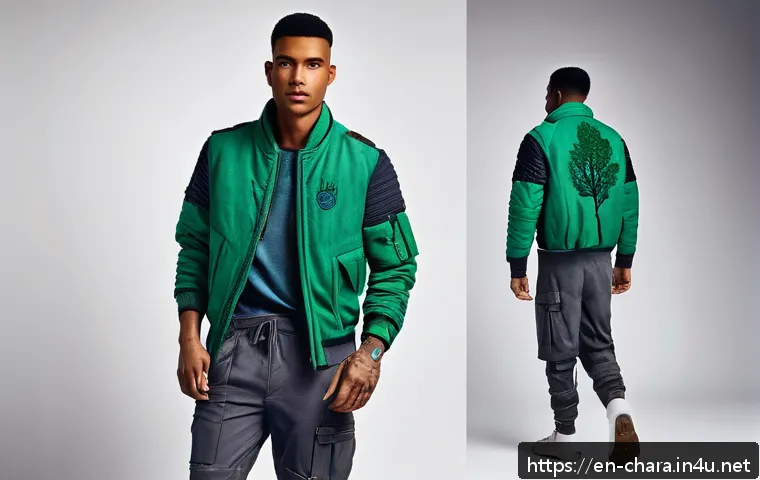
Beyond storylines, characters can serve as ambassadors for green living. For example, a character might use recycled tools, wear clothing made from sustainable materials, or embody behaviors like conservation and respect for nature.
This visual storytelling reinforces eco-conscious values and encourages fans to adopt similar practices in real life. It’s a subtle yet impactful way to merge creativity with activism.
Collaborating with Environmental Organizations
Some character designers partner with environmental groups to co-create characters or campaigns that promote sustainability. These collaborations not only lend authenticity and authority to the designs but also expand the reach of the message.
By working together, artists and advocates can produce compelling visuals that inspire action while advancing both creative and environmental goals.
Cost-Effective Green Practices for Freelancers
Leveraging Affordable Sustainable Tools
Sustainability doesn’t have to break the bank, especially for freelancers balancing budgets and eco-consciousness. Affordable options like secondhand drawing tablets, energy-efficient laptops, and open-source software help minimize upfront costs while supporting green goals.
Additionally, investing in digital assets rather than physical prototypes reduces material expenses and waste.
Energy-Saving Habits in Home Studios
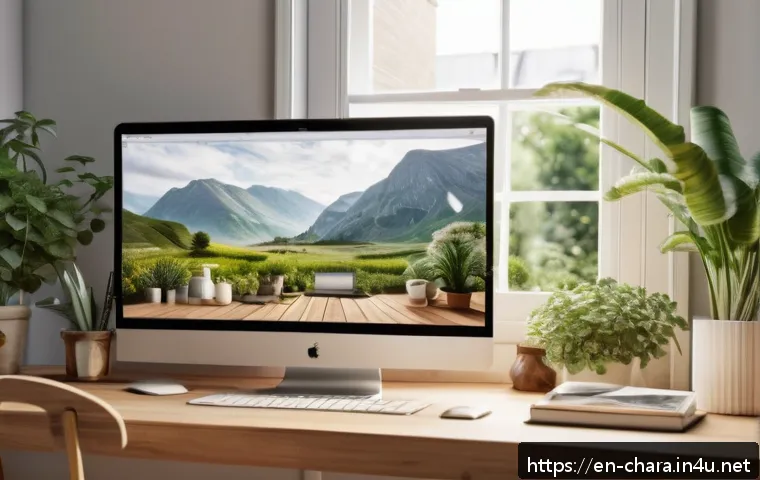
Simple changes in daily routines can significantly reduce energy usage in a home studio. Turning off devices when not in use, utilizing natural light during daytime, and choosing LED bulbs are easy wins.
I’ve personally noticed that working near a window not only saves electricity but also boosts creativity and mood—talk about a win-win!
Building a Sustainable Brand Identity
Freelancers who promote their commitment to sustainability often attract like-minded clients and collaborators. Highlighting eco-friendly practices on portfolios and social media can differentiate your brand in a crowded market.
It also builds trust and loyalty, as clients increasingly seek partners who share their environmental values.
Tracking the Impact: Measuring Your Green Footprint
Tools for Monitoring Resource Use
Understanding the environmental impact of your workflow is the first step toward improvement. Various apps and software tools can help track electricity consumption, carbon emissions from digital activities, and material waste.
Using these insights allows designers to set realistic sustainability goals and monitor progress over time.
Interpreting Data to Inform Design Choices
Data on energy and resource use can guide smarter decisions, such as choosing less power-hungry rendering methods or switching to more sustainable suppliers.
For example, if you notice high energy usage during certain tasks, you might experiment with alternative techniques or schedule work to optimize energy efficiency.
Sharing Sustainability Metrics with Clients
Transparency about your green efforts can be a strong selling point. Sharing sustainability metrics with clients demonstrates accountability and professionalism.
It also encourages clients to consider environmental impacts in their own projects, creating a ripple effect of eco-consciousness throughout the creative industry.
Benefits of Sustainable Practices Beyond the Environment
Boosting Creativity Through Constraints
Interestingly, adopting sustainable practices often sparks creativity rather than stifling it. Working within eco-friendly limitations encourages designers to think outside the box, exploring new materials, techniques, and storytelling angles.
This creative growth can lead to more original and impactful character designs.
Enhancing Professional Reputation
Clients and studios increasingly value sustainability as part of a designer’s portfolio. Demonstrating expertise in green design elevates your professional standing and opens doors to projects focused on social responsibility.
From my experience, being known as a sustainability-minded artist has led to collaborations I wouldn’t have encountered otherwise.
Long-Term Career Resilience
As industries shift toward greener standards, designers who adopt sustainable practices early are better positioned for the future. They can adapt quickly to evolving regulations and market demands, ensuring their skills remain relevant and in demand.
This forward-thinking approach not only protects the planet but also secures your career longevity.
| Practice | Environmental Benefit | Career Advantage | Example |
|---|---|---|---|
| Using Organic Textiles | Reduces chemical use and pollution | Differentiates portfolio with eco-friendly materials | Designing character costumes from hemp fabric |
| Optimizing Digital Files | Lowers energy consumption for storage and rendering | Faster workflow and client collaboration | Compressing assets before cloud upload |
| Embedding Sustainability in Storytelling | Raises audience awareness | Builds emotional connection with eco-conscious clients | Creating a hero character fighting climate change |
| Energy-Saving Studio Habits | Reduces carbon footprint | Decreases overhead costs | Working near natural light and using LED bulbs |
| Tracking and Sharing Impact | Encourages continuous improvement | Enhances credibility and client trust | Using apps to monitor and report energy use |
Closing Thoughts
Embracing eco-conscious materials and sustainable workflows in character design not only benefits the environment but also sparks creativity and innovation. By integrating green practices, designers can create meaningful stories and visuals that resonate with today’s socially aware audiences. Ultimately, sustainability in design is a rewarding journey that aligns artistic passion with responsibility.
Helpful Information to Keep in Mind
1. Choosing sustainable textiles like organic cotton or hemp reduces environmental harm and inspires fresh character aesthetics.
2. Optimizing digital files and rendering processes lowers energy use, saving both time and resources.
3. Embedding environmental themes in character backstories enhances audience connection and spreads awareness naturally.
4. Simple studio habits such as using natural light and energy-efficient devices cut down your carbon footprint significantly.
5. Tracking your sustainability efforts with apps or tools helps you make informed decisions and share your progress confidently.
Key Takeaways
Adopting eco-friendly practices in character design is a strategic move that balances creativity with environmental responsibility. Sustainable materials and efficient digital workflows reduce waste and energy consumption, while storytelling that highlights green values fosters deeper engagement. Freelancers benefit by building a distinct brand identity and preparing for future industry shifts. Tracking and communicating your green impact strengthens credibility and encourages continuous improvement, making sustainability an integral part of professional growth.
Frequently Asked Questions (FAQ) 📖
Q: uestions about Sustainability in Character DesignQ1: How can adopting sustainable practices improve my character design process?
A: Incorporating sustainability into your character design workflow encourages you to think more critically about resource use, from digital tools to materials if you work in physical media.
For example, opting for energy-efficient devices or using recyclable materials not only reduces environmental impact but often leads to cleaner, more thoughtful designs.
Personally, I noticed that focusing on sustainability pushed me to simplify and refine my work, which made my characters more striking and memorable. Plus, clients increasingly appreciate artists who prioritize eco-conscious methods, which can open doors to new projects and collaborations.
Q: What are some practical ways character designers can reduce waste and energy consumption?
A: There are several actionable steps you can take. Digitally, choose software that’s optimized for efficiency, and avoid unnecessary rendering or exporting large files multiple times.
If you create physical prototypes or artwork, use recycled paper, eco-friendly inks, or repurpose materials. Another tip is to batch your work sessions to minimize powering devices on and off frequently, saving energy.
I started tracking my energy use during design sprints, and it helped me cut down on waste without sacrificing creativity. Small changes like these add up and showcase your commitment to sustainability.
Q: Will embracing sustainability limit my creative freedom as a character designer?
A: Not at all. In fact, sustainability can be a powerful catalyst for innovation. Constraints often spark creativity, and working within eco-friendly boundaries challenges you to explore new techniques and ideas.
For instance, using fewer colors or simpler shapes to reduce material use can lead to unique and compelling character aesthetics. From my experience, clients and audiences respond positively to designs that tell a story not only through visuals but also through responsible creation.
Embracing sustainability actually broadens your creative horizon rather than limiting it.