With the growing demand for skilled character designers in gaming, animation, and digital media, acing your certification exam has never been more crucial.

Recently, more candidates are realizing that mastering the written subjects is just as important as honing artistic skills. If you’re aiming to stand out and secure your credentials, understanding the key concepts behind the test’s written portion can make all the difference.
In this post, I’ll share insights and strategies that helped me navigate these challenges firsthand. Whether you’re a beginner or looking to refresh your knowledge, this guide will set you on the path to success.
Let’s dive into what really matters to unlock your potential and pass with confidence.
Understanding Character Design Fundamentals
Exploring Visual Storytelling
When you dive into character design, it’s not just about making a character look cool—it’s about telling a story through visuals. Every curve, color choice, and silhouette communicates something unique.
From my experience, focusing on the character’s background and personality helps you decide their posture, clothing, and even facial expressions. This approach makes the design feel alive, not just a random assembly of features.
During the exam, expect questions that test your ability to interpret and convey narrative elements visually, which can be challenging if you only think in terms of aesthetics.
Mastering Anatomy and Proportions
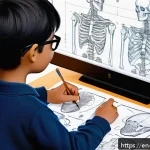
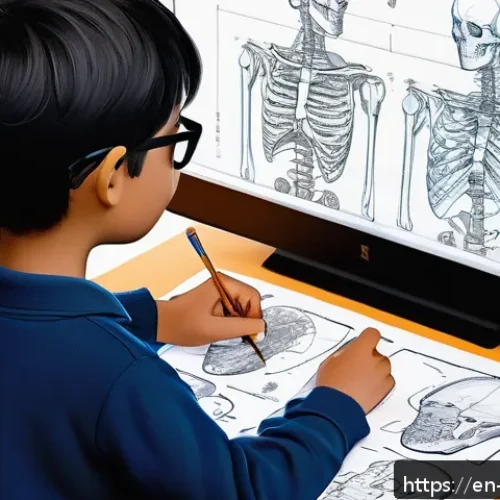
Anatomy is the backbone of character design. It’s essential to know the basics of human and creature anatomy to create believable characters. But here’s the catch: it’s not about drawing perfect anatomy but understanding how to stylize it while keeping it convincing.
I found that practicing gesture drawing helped me internalize body movement, which is critical when answering written questions about proportion and form.
The exam often probes your grasp of anatomical principles, so being able to explain why certain proportions work or don’t is a huge plus.
Color Theory and Mood Setting
Color isn’t just decoration—it sets the tone and mood for your character. Learning how to manipulate color schemes can dramatically affect the viewer’s perception.
For instance, warm colors might evoke energy or aggression, while cooler tones suggest calmness or mystery. When preparing for the written portion, I focused on memorizing color harmonies and their psychological impacts.
The test may ask you to analyze color choices or suggest palettes based on character traits, so knowing these concepts inside out is crucial.
Conceptual Thinking and Creative Problem Solving
Developing Original Ideas
Originality is king in character design. The written exam often challenges you to think beyond clichés and come up with fresh concepts. I remember a practice question where I had to invent a character for a fantasy setting with specific cultural influences.
This pushed me to research and blend elements creatively, which proved invaluable during the actual test. Embracing brainstorming techniques and mind mapping can boost your idea generation skills significantly.
Adapting to Design Constraints
Design isn’t always about limitless creativity; sometimes, constraints shape your work. Whether it’s budget, platform limitations, or narrative requirements, learning how to adapt is critical.
In the exam, you might face scenarios asking how to adjust a design to fit technical specs or audience demographics. My strategy was to analyze constraints carefully and propose balanced solutions that maintain character appeal without overcomplicating the design.
Critiquing and Refining Designs
Self-evaluation is an underrated skill. Being able to objectively critique your design choices and suggest improvements shows maturity and professionalism.
During my preparation, I practiced reviewing character sheets and identifying weak points, which helped me tackle written questions on design iteration.
Remember, the exam values thoughtful reflection and the ability to justify design decisions with solid reasoning.
Industry Tools and Techniques Overview
Familiarity with Digital Art Software
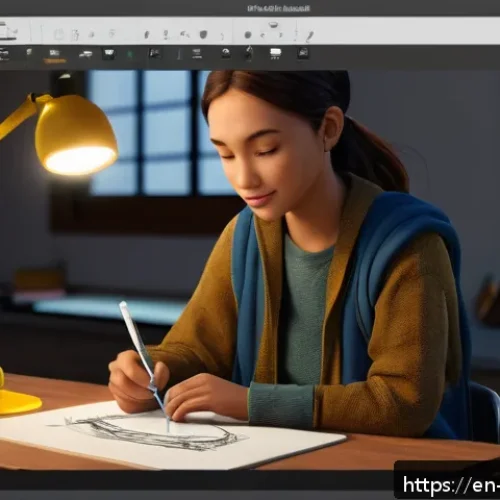
While the written exam isn’t about hands-on drawing, understanding popular tools like Adobe Photoshop, Clip Studio Paint, or Procreate is essential. You’ll likely encounter questions about workflow efficiency, layer management, or digital brushes.
Personally, I found that knowing basic shortcuts and tool functionalities gave me confidence in answering these technical parts accurately.
Traditional vs. Digital Methods
Knowing the pros and cons of traditional sketching versus digital techniques can set you apart. For example, traditional media often encourages spontaneity, while digital offers more editing freedom.
The test may ask you to compare methods or recommend approaches depending on project needs. I learned to highlight flexibility and adaptability in my answers, which resonated well with evaluators.
File Formats and Asset Management
Efficient file handling is a must in professional environments. Questions about suitable file formats for different outputs (e.g., PNG for transparency, TIFF for print) often appear in the written section.
I made a quick reference chart during study sessions to memorize these details, which helped me answer confidently under time pressure.
Psychology Behind Character Appeal
Understanding Audience Connection
Characters need to resonate emotionally with the audience. This involves tapping into universal traits like vulnerability, strength, or humor. The exam tests your ability to identify what makes a character relatable or memorable.
Drawing from real-life observations, I practiced explaining how certain features evoke empathy or curiosity, which made my responses more genuine and impactful.
Symbolism and Cultural References
Symbols carry powerful meanings, and incorporating them thoughtfully can elevate a character. However, cultural sensitivity is paramount to avoid stereotypes.
I remember studying various mythologies and cultural motifs to broaden my understanding. The exam often probes your awareness of these aspects, so showing respect and knowledge here is a big advantage.
Balancing Realism and Exaggeration

Striking the right balance between realistic traits and exaggerated features is key to memorable designs. The written test may ask you to justify stylistic choices based on character role or genre.
My approach was to discuss how exaggeration enhances personality without breaking immersion, supported by examples from popular media.
Workflow and Project Management Insights
From Concept to Final Design
Knowing the steps from initial sketches to polished character sheets is vital. The exam might include questions about typical project phases, such as research, rough drafts, and client feedback.
I found mapping out my personal workflow and comparing it with industry standards helped me answer these confidently.
Collaboration and Communication Skills
Character designers rarely work in isolation. Effective communication with art directors, animators, and writers is crucial. The test often evaluates your understanding of team dynamics and feedback integration.
I practiced role-playing scenarios where I had to negotiate design changes diplomatically, which was surprisingly helpful.
Time Management Under Deadlines
Meeting deadlines without sacrificing quality is a real-world challenge. Written questions may present time constraints and ask for prioritization strategies.
I shared personal tactics like setting milestones and focusing on key design elements first, which demonstrated practical problem-solving.
Essential Art History and Style Evolution
Tracing Character Design Through Eras
Understanding how character styles evolved over decades gives context to current trends. The exam may test knowledge of influential artists or movements, such as the impact of anime or Western comics.
I revisited art history timelines and noted pivotal shifts, enriching my answers with historical perspective.
Recognizing Genre-Specific Styles
Different genres demand distinct visual languages—think horror vs. sci-fi or fantasy. Being able to identify and explain these style choices is often required.
I practiced analyzing characters from various genres, which helped me articulate why certain design elements work better in specific contexts.
Influence of Technology on Style
Technological advances continuously reshape character design aesthetics. From hand-drawn animation to 3D modeling, each leap introduces new possibilities and constraints.
The exam may ask about these influences, so I focused on linking tech evolution with stylistic changes to provide well-rounded answers.
Core Principles of Color and Composition
Color Harmony and Contrast
Understanding how colors interact and complement each other can make or break a design. In the exam, you might analyze palettes or suggest improvements based on color theory principles.
I found that practicing with color wheels and experimenting digitally improved my intuition and response accuracy.
Balance and Visual Flow
Composition guides the viewer’s eye and enhances storytelling. Questions often involve identifying focal points or explaining how elements create harmony.
I used personal sketches to illustrate how asymmetry or symmetry affects perception, making my answers vivid and practical.
Emotional Impact Through Design
Colors and composition together evoke emotions. The test may challenge you to connect visual elements with mood or atmosphere. Drawing from my experience with mood boards and client briefs, I learned to describe emotional intent clearly and persuasively.
| Exam Topic | Key Focus Areas | Effective Study Tips |
|---|---|---|
| Visual Storytelling | Narrative expression, personality through visuals | Analyze characters in media; practice storytelling via sketches |
| Anatomy & Proportions | Stylized anatomy, gesture drawing, body dynamics | Daily gesture practice; study stylization examples |
| Color Theory | Color psychology, harmonies, palette selection | Create color palettes; memorize color meanings |
| Creative Problem Solving | Idea generation, constraint adaptation, critique | Brainstorm with prompts; self-review designs critically |
| Tools & Techniques | Digital software knowledge, file formats, workflow | Explore software tutorials; create cheat sheets |
| Psychology of Appeal | Emotional connection, symbolism, exaggeration | Study cultural references; observe audience reactions |
| Workflow Management | Project phases, communication, deadlines | Simulate project timelines; practice team scenarios |
| Art History & Styles | Style evolution, genre distinctions, tech impact | Review art history; compare genre examples |
| Color & Composition | Harmony, balance, emotional design | Practice compositions; study color theory deeply |
Conclusion
Character design is a blend of creativity, technical knowledge, and storytelling. Mastering fundamentals like anatomy, color theory, and psychology helps bring characters to life in meaningful ways. By understanding both the artistic and practical aspects, you’ll be well-prepared to tackle any challenge in this field. Keep practicing and refining your skills to create designs that truly resonate with audiences.
Helpful Tips
1. Break down complex character traits into visual elements to tell a clear story.
2. Practice gesture drawing regularly to improve your understanding of movement and proportion.
3. Study color theory deeply to influence mood and personality effectively.
4. Develop problem-solving skills by working within design constraints and iterating your work.
5. Familiarize yourself with industry-standard tools and file formats for smoother workflows.
Key Takeaways
Successful character design requires a balance between artistic expression and practical considerations. Focus on narrative clarity, anatomy stylization, and emotional appeal to create compelling characters. Embrace feedback and continuously refine your designs while adapting to project requirements. Staying current with tools, trends, and cultural awareness will elevate your work and professional readiness.
Frequently Asked Questions (FAQ) 📖
Q: uestionsQ1: How important is the written portion compared to the artistic skills in the character design certification exam?
A: From my experience, the written portion is equally critical as the artistic skills. While your portfolio shows your creativity and technical ability, the written test evaluates your understanding of fundamental concepts like anatomy, storytelling, and design principles.
Ignoring the written section can seriously hurt your overall score, so balancing both areas is essential to passing and standing out.
Q: What study strategies helped you prepare effectively for the written section?
A: What worked best for me was combining active reading with practical application. I reviewed key topics by reading industry-standard books and online resources, then immediately applied those concepts by sketching characters or writing character backstories.
Flashcards for terminology and regular mock tests also kept me sharp. Most importantly, I scheduled consistent study sessions rather than cramming, which made the knowledge stick better.
Q: Can beginners with limited experience pass the written exam successfully?
A: Absolutely. The exam tests your grasp of core principles, not just advanced knowledge. If you’re new, focus on building a solid foundation: study anatomy, color theory, and character archetypes.
Use beginner-friendly guides and tutorials, and don’t hesitate to ask mentors or join online communities for support. With steady effort and the right resources, even beginners can pass confidently and improve their design skills simultaneously.