Hey there, future character design superstar! I totally get it – you’ve got these amazing worlds and unforgettable personalities buzzing around in your head, just waiting to leap onto the screen or page.
I mean, who *hasn’t* dreamt of bringing their own unique creations to life and seeing them resonate with an audience? But let’s be real, turning that creative spark into a solid career often means proving your chops, sometimes through a formal certification or a rigorous portfolio review that feels just like one.
I remember those nervous jitters, wondering if my sketches were good enough, or if I truly understood the underlying principles. It’s a journey filled with passion, practice, and a little bit of strategic preparation.
If you’re ready to transform those dreams into a tangible, industry-recognized skill set, whether it’s for a written theory exam or a practical demonstration, you’ve landed in the right spot.
Let’s make sure you’re absolutely ready to shine and get that much-deserved recognition. We’ll explore exactly how to ace both the theoretical knowledge and the hands-on design challenges you’ll face!
Navigating the Certification Labyrinth: What Really Matters?

Demystifying Formal Credentials in Character Design
Okay, so you’ve been pondering whether a formal certificate in character design is worth the effort, right? I totally get it. It feels like such a huge decision with so many programs out there promising the world.
From my experience, while a degree in graphic art, fine art, illustration, or a related discipline can definitely set a good foundation, it’s not always a strict necessity to become a character designer.
What truly matters, what agencies and studios are really looking for, is undeniable talent and a deeply strong set of drawing skills that shine through your portfolio.
Think about it: an official piece of paper is great, but your ability to bring unique personalities to life on a page or screen is what will truly open doors.
Programs like Interlochen’s Character Design and Comic Art certificate can help you build those foundational skills, covering everything from drawing basics to crafting emotional expressions and understanding storytelling.
It’s about building those fundamental muscles – drawing anatomy, understanding perspective, and mastering figure drawing. Many online credentials can also formalize your training, such as the Epic Games Game Design Professional Certificate or CalArts’ Character Design for Video Games.
These can provide a structured way to enhance your skills and show a commitment to the craft.
The Real-World Impact: When a Piece of Paper Pays Off
While a certificate isn’t always the *only* path, let me tell you, it can certainly give you an edge, especially in a competitive field. It’s not just about what you learn; it’s about the structured environment, the feedback from professionals, and the network you start building.
I’ve seen firsthand how a certificate, like the one offered by Aaron Blaise’s platform, which involves completing multiple courses and a human review process, can provide a verifiable digital badge for your LinkedIn.
That kind of external validation, especially when it’s tied to recognized names in the industry, can grab a recruiter’s eye and tell them you’re serious.
It demonstrates commitment and a baseline of knowledge that can make you a safer bet for an entry-level role. Beyond the initial job hunt, the disciplined learning environment helps cultivate habits of consistent practice and critical self-evaluation that are crucial for long-term growth.
It forces you to push past comfort zones and tackle areas you might otherwise avoid, transforming those weaknesses into strengths.
Your Portfolio: The Ultimate Storyteller
Curating Your Masterpiece: Quality Over Quantity
Your portfolio, my friends, is arguably the most vital tool in your character design arsenal. It’s not just a collection of drawings; it’s a carefully curated narrative of your artistic journey and your creative potential.
I always tell aspiring artists, it’s about showcasing your absolute best work, not every single sketch you’ve ever made. Recruiters are busy people, and they want to see your strongest pieces, the ones that immediately convey your talent and your unique voice.
Aim for around 10 to 15 solid pieces that demonstrate your range and skill, making sure your very first and very last pieces are absolute showstoppers.
Think about the specific industry you’re targeting – animation, video games, comics – and tailor your portfolio accordingly. For animation, include character turnarounds, expression sheets, and action poses.
For video games, focus on concept art showing development from sketches to final designs, including textures and details. And for comics, sequential art that tells a story is key, showing character interaction and consistency.
Remember, studios want to see *your* creativity, not just fan art.
Showcasing Versatility and Narrative Prowess
When you’re putting together your portfolio, don’t just throw in a bunch of pretty pictures. Every piece should tell a story, even if it’s just a pose or an expression.
You want to show that your characters have personality, motivation, and fit within a coherent world. It’s about demonstrating your ability to not only draw beautifully but to *design* characters that live and breathe.
I’ve found that including development work – initial sketches, different iterations, and explorations of a character’s journey – can be incredibly compelling.
This shows your thought process and problem-solving skills, which are gold to an employer. Also, aim for versatility. Can you create characters in different styles?
Can you adapt to a specific brief? If you can show a character that is volumetric and could be converted into a 3D project, alongside one that is more traditionally 2D, you’re telling them you’re adaptable and well-rounded.
Don’t be afraid to experiment with unique features and focus on strong, recognizable silhouettes. These details make your characters memorable and easily identifiable.
Mastering the Art of Observational Design
The Power of Life Drawing and Anatomy
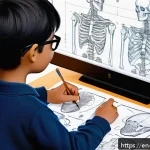
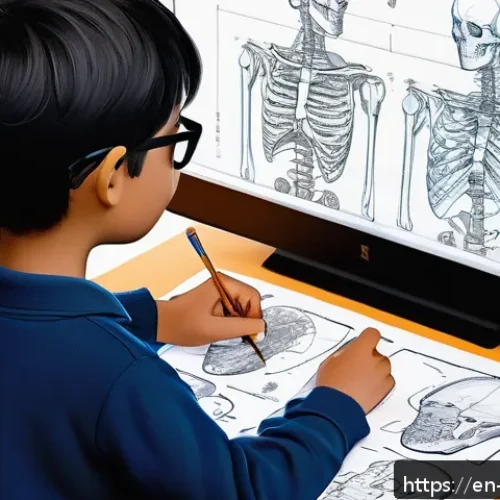
If there’s one thing I could scream from the rooftops to every aspiring character designer, it’s this: *draw from life, and study anatomy religiously.* Seriously, it’s the bedrock upon which all great character design is built.
I remember when I first started, I thought I could just draw from my head, but my characters felt stiff, lifeless. It wasn’t until I committed to regular life drawing sessions and deep dives into anatomy books that my work truly transformed.
You need to understand how the human (and animal) body works, how muscles contract, how weight shifts, how bones connect. This knowledge gives your characters believability and dynamic energy, no matter how stylized they become.
Institutions like ArtCenter and SMU Guildhall emphasize figure drawings from live models as a key portfolio requirement, including gestural and more developed pieces.
It’s not about perfectly replicating reality every time, but about internalizing those rules so you can bend and break them intentionally to create truly unique and expressive characters.
Understanding Form, Function, and Character Archetypes
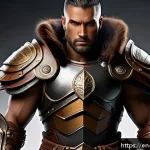
Beyond just knowing the muscles and bones, you need to grasp how form and function work together to create a compelling character. Every design choice, from a character’s silhouette to their clothing, should reflect their personality, backstory, and role in a story.
This is where understanding character archetypes really comes into play. Think about the classic hero, the mischievous trickster, the wise mentor – each has visual cues that instantly communicate their essence.
When you’re designing, ask yourself: What are their hopes and dreams? Are they optimistic or pessimistic? What motivates them?
These internal questions translate into external design choices. For instance, a confident superhero will have different poses and silhouettes than a timid civilian.
Pay attention to what role the character plays in the storyline and how their silhouette quickly identifies them. This kind of thoughtful design ensures your characters aren’t just visually appealing, but deeply resonant and memorable.
Beyond the Canvas: The Business of Being a Character Artist
Navigating Client Expectations and Project Management
Becoming a successful character designer isn’t just about artistic skill; it’s also about understanding the business side of things. Trust me, I learned this the hard way!
You can be the most talented artist in the world, but if you can’t manage client expectations, meet deadlines, or understand a project brief, you’ll struggle.
Character designers often work closely with writers, directors, modelers, and animators, so collaboration and communication are absolutely critical. You need to be able to take and act on feedback, sometimes extensively, to alter your designs to fit the director’s vision.
This means active listening, asking clarifying questions, and being adaptable. Project management skills, even if it’s just managing your own time and workflow, are invaluable.
Learning how to estimate timelines, communicate progress, and handle revisions professionally will not only make you a joy to work with but also ensure you stay sane and avoid burnout.
Monetizing Your Talent: Freelance vs. Studio Roles
The character design industry offers a wealth of opportunities, whether you dream of being a freelance maestro or part of a bustling studio. Both paths have their perks and challenges.
In animation studios like Disney, Pixar, and DreamWorks, character designers are integral to bringing films and TV shows to life, creating characters that are visually appealing and resonate with audiences.
For video games, you’ll be designing characters that interact with players in virtual worlds. Freelancing, on the other hand, offers incredible flexibility and autonomy, but it means you’re also running your own business.
As of October 2025, the average hourly pay for a freelance character artist in the US is around $22.97, though this can vary significantly by location and experience, with some areas like Seattle seeing averages over $112,000 annually for freelance roles.
San Francisco can be even higher, averaging around $128,000. It’s crucial to understand these numbers, especially when setting your rates. Many character designers are employed by studios rather than freelancing, but the demand exists in both areas.
Cultivating Your Unique Style and Voice

Experimentation and Iteration: Finding Your Artistic Signature
This is where the real fun begins, and where your personality as an artist truly shines. Finding your unique style isn’t something that happens overnight; it’s a journey of endless experimentation and iteration.
I’ve spent countless hours just doodling, trying out different brushes, pushing proportions, and playing with color palettes to see what sticks. Don’t be afraid to make “bad” art in the pursuit of discovery.
Each experiment, each “failure,” is a step closer to understanding what truly resonates with you. Look at the current trends – AI integration, retro-futurism, handcrafted aesthetics, and platform-specific adaptations – and see how you can interpret them through your own lens.
Embrace the idea of “new naturalism” or “emotion-powered characters” in your explorations. This continuous process of trying new things and refining old ones is how you develop a distinct artistic signature that sets you apart.
Feedback Loops: Growing Through Constructive Criticism
It’s tough to hear criticism, I know. Every artist, myself included, has felt that pang when someone points out a flaw in something you poured your heart into.
But here’s the thing: constructive criticism is an absolute superpower for growth. You simply can’t improve in a vacuum. Actively seek out feedback from trusted peers, mentors, and even online communities.
Learn to listen objectively, separating personal feelings from actionable advice. I’ve found that framing feedback as a chance to see my work through fresh eyes completely changes my perspective.
It helps you identify blind spots and push your designs further than you could on your own. Remember, the goal isn’t just to be a good artist, but to be a *better* artist every single day, and feedback is the express lane to getting there.
Networking Your Way to Success
Building Bridges: Connecting with Fellow Artists and Industry Pros
Listen up, because this is huge: networking isn’t just about schmoozing; it’s about building genuine relationships with people who share your passion.
I used to be so shy, convinced my art would speak for itself, but I quickly realized that community is everything in this industry. Attending industry events, online forums, and local meetups can open doors you never knew existed.
Chat with fellow artists, ask questions, share your insights, and be genuinely interested in their work. You’d be amazed at how many opportunities arise from these connections, whether it’s a collaboration, a job lead, or just a new friend who truly “gets” what you do.
Get to know character designers, producers, and animators – and don’t be afraid to ask them questions about their work.
Digital Presence: Making Your Mark Online
In today’s world, your online presence is your calling card. It’s not enough to just have great art; people need to be able to find it! Setting up a professional website to showcase your best work is essential.
While social media platforms like Instagram or ArtStation are fantastic for sharing your process and connecting with a wider audience, a dedicated portfolio website gives you control and presents your work in the most polished way possible.
Make sure your site is clean, easy to navigate, and highlights your strongest pieces upfront. You can also use your “About” page as an opportunity to share your story and passion, making it personal and relatable.
Regularly update your portfolio, participate in online challenges, and engage with other artists. Your digital footprint is how the world discovers your talent, so make it count!
Staying Ahead: Continuous Learning in a Dynamic Field
Embracing New Technologies and Software
The world of character design is constantly evolving, and what was cutting-edge yesterday might be standard practice tomorrow. To truly thrive, you have to be a lifelong learner, always eager to embrace new technologies and software.
I remember resisting the switch to digital for ages, convinced traditional media was “purer.” Boy, was I wrong! Learning new tools like Blender, ZBrush, Substance Designer for 3D modeling, or ToonBoom Harmony for 2D animation can dramatically expand your capabilities and make you more valuable to studios.
In 2025, AI tools like MidJourney, Adobe Firefly, and Leonardo AI are already revolutionizing workflows, enabling rapid iteration and helping generate diverse character concepts in seconds.
Stylized 3D animation and hybrid animation (mixing 2D and 3D) are also big trends. Don’t be afraid to dive in; these tools aren’t meant to replace your creativity but to enhance it, giving you more power to bring your visions to life.
The Importance of Personal Projects and Passion Pursuits
While client work and skill-building are crucial, never underestimate the power of personal projects. These are the spaces where you can truly let your imagination run wild, experiment without constraints, and develop concepts purely for the love of it.
I’ve found that my most exciting and unique portfolio pieces often come from these passion projects. They show potential employers not just what you *can* do, but what you *love* to do, and that enthusiasm is contagious.
Moreover, personal projects keep your creative wellspring full and prevent burnout from demanding professional work. They’re a fantastic way to explore emerging trends like “retro-futurism” or “emotion-powered characters” in your own unique way.
Keep drawing every day, even if it’s just a quick sketch – it builds muscle memory and keeps your artistic mind sharp.
| Aspect of Character Design | Key Considerations | Relevant Trend/Skill (2025) |
|---|---|---|
| Portfolio Content | Quality over quantity, demonstrate versatility, strong draftsmanship, character turnarounds, expression sheets, action poses. No fan art. | AI-assisted conceptualization, platform-specific adaptations (e.g., mobile-first characters). |
| Technical Skills | Life drawing, anatomy, perspective, digital painting, 3D modeling basics, animation software proficiency. | Proficiency in AI tools (MidJourney, Adobe Firefly), hybrid animation techniques (2D/3D integration). |
| Soft Skills | Communication, collaboration, project management, ability to take feedback, storytelling. | Navigating remote team collaborations, understanding diverse storytelling needs. |
| Industry Awareness | Understanding studio pipelines, market trends, salary expectations (freelance vs. studio). | Retro and handcrafted aesthetics, emotion-powered characters, AI integration in workflows. |
| Education/Certification | Formal degrees (Illustration, Fine Art, Animation), specialized certificates, online courses. | Online credentials like Epic Games or CalArts certificates are gaining traction. |
Wrapping Things Up
Whew, we’ve covered a lot of ground today, haven’t we? From formal credentials to the power of your portfolio, and even diving into the nitty-gritty of the business side, it’s clear that becoming a successful character designer is a journey of continuous growth and passion. I truly hope that sharing my insights and experiences has given you a clearer roadmap and perhaps even sparked some new ideas for your own artistic path. Remember, every master was once a beginner, and the most important thing is to keep creating, keep learning, and keep that unique artistic flame burning bright.
Useful Information to Know
1. In 2025, AI tools like MidJourney, Adobe Firefly, and Leonardo AI are transforming character design workflows, allowing for rapid iteration and diverse concept generation.
2. Blender continues to be a top choice for both beginners and professionals in 3D character design, offering a complete package for sculpting, animation, rigging, and rendering, with 2025 updates bringing AI-assisted tools.
3. While an hourly freelance character artist in the US averages around $22.97, highly experienced professionals in major cities like San Francisco can see average annual salaries around $128,227.
4. Retro-futurism, handcrafted aesthetics, and emotion-powered characters are significant trends in graphic design and animation for 2025, emphasizing authenticity and emotional connection.
5. Networking is crucial for artists; it’s about building genuine relationships and community, with both online platforms like ArtStation and in-person events being valuable.
Key Takeaways
Ultimately, while certifications can be helpful, your portfolio remains your strongest asset, showcasing not just technical skill but also your unique voice and storytelling ability. Master foundational skills like life drawing and anatomy, and continuously adapt to new software and industry trends like AI integration and hybrid animation. Remember, the business side, including client communication and understanding market rates, is as vital as your artistic talent. Finally, nurture your personal projects, seek constructive feedback, and actively network to build a supportive community and open doors to incredible opportunities in this dynamic field. Keep pushing your boundaries!
Frequently Asked Questions (FAQ) 📖
Q: So, I’m just starting out, and it feels like everyone’s talking about either building a killer portfolio or getting some kind of character design certification. Which path should I focus on first, or are both equally important to actually break into the industry?
A: Oh, I totally remember feeling those exact same jitters! It’s like standing at a crossroads, right? From what I’ve personally seen and experienced over the years, if I had to pick just one thing to pour your heart and soul into, it would hands-down be your portfolio.
Think of it this way: your portfolio is your visual resume, your passion project, and your direct conversation with an art director all rolled into one.
It’s where your unique voice shines through, showing off not just what you can draw, but how you think, how you solve design problems, and how you tell a story with a single glance.
Studios are looking for tangible evidence of your skills and creative abilities, and a stellar portfolio does exactly that. Now, certifications? They can definitely be a nice bonus, especially if you’re looking to validate a specific skill set or for professional development.
Some programs offer amazing learning experiences and yes, a certificate can add a little extra polish to your resume. But in the creative world, the actual “piece of paper” usually takes a back seat to the undeniable proof of your talent and process displayed in a strong portfolio.
My advice? Prioritize building out a breathtaking portfolio first, and then consider a certification if it genuinely enhances a skill you need or opens up a specific niche for you.
It’s about showing what you can do, not just what you’ve studied.
Q: Okay, so a portfolio is key! But what exactly should I put in it to make it stand out and grab an art director’s attention? I want to make sure I’m not just throwing in a bunch of pretty pictures.
A: That’s an absolutely brilliant question, because it’s not just about pretty pictures, you’re right! What really makes a character design portfolio sing is its ability to tell a story about your design process and capabilities.
First off, I’ve always found that showcasing a range of characters with diverse personalities, ages, and styles is super important. It tells potential employers, “Hey, I’m versatile!” Don’t just show the final glorious piece; include some of your initial sketches, exploration drawings, and even those awkward in-between stages.
Seeing your thought process, how you overcome challenges, and how a character evolves from a scribble to a fully realized design, is incredibly valuable.
Art directors often want to see those “production-ready” elements, too. So, think character turnarounds showing front, side, and back views, along with expression sheets that capture a full range of emotions, and action poses that demonstrate your character’s personality and how they move.
And here’s a tip I learned the hard way: always go for quality over quantity. Trust me, it’s better to have ten incredible, polished pieces that truly showcase your best work than fifty mediocre ones.
Make sure your online portfolio is easy to navigate, too. You want them focusing on your amazing art, not trying to figure out your website!
Q: I want my characters to feel alive and have real personality, not just look cool. How do I infuse that kind of depth and emotion into my designs, especially when I’m trying to meet industry expectations?
A: Oh, this is where the magic truly happens, isn’t it? Bringing a character to life on paper, making them feel like someone you could actually meet, is the ultimate goal!
From my own experience, the secret sauce really comes down to understanding the story behind your character. Before you even touch your pencil or stylus, ask yourself: Who is this character?
What’s their motivation? What drives them? What are their quirks, fears, and dreams?
Every detail, from their silhouette and costume to their facial expressions and posture, should scream their personality. I’ve seen so many artists just draw cool-looking characters, but the ones that truly resonate are those with a clear internal life.
Think about strong, recognizable silhouettes – can you tell who your character is even if they’re just a shadow? That’s a powerful design tool. Then, dive into expressions and poses.
Don’t just draw a generic happy or sad face; think about how your character expresses joy or frustration based on their unique personality. Are they a dramatic type, or more subdued?
Industry pros also look for solid fundamentals: understanding anatomy helps you create believable forms, and a grasp of color theory can convey mood and personality instantly.
When you’re ready to show your work, these elements, combined with production-ready views like consistent turnarounds, are what make your characters not just look cool, but feel like they could leap off the page and into their own adventure.
It’s about designing with empathy and purpose, every single time.