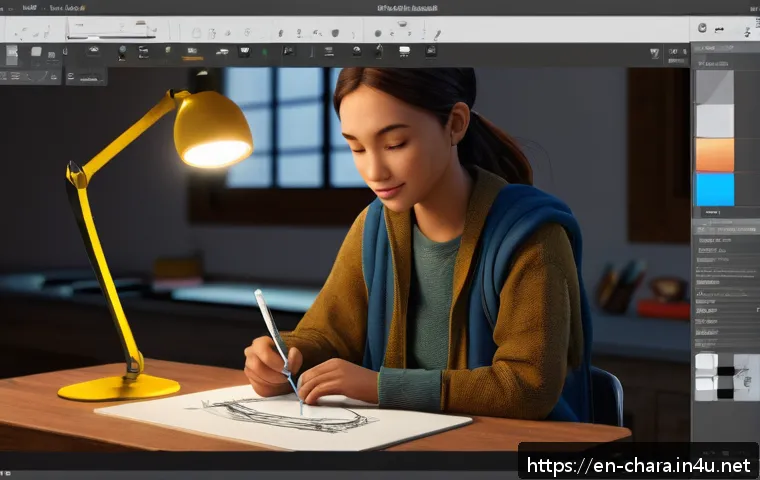
Hey there, fellow art enthusiasts! It’s me, your favorite English blog influencer, diving deep into the fascinating world of digital art. Today, we’re tackling a question I get asked all the time, especially with all the buzz around AI and new design trends: “What’s the real difference between a character designer and an illustrator?” It’s a common misconception that these two roles are interchangeable, but having spent years immersed in the creative industry, I’ve noticed they’re actually quite distinct, each requiring a unique blend of skills and a specific mindset.
Especially in 2025, where “emotion-powered characters” and “maximalist illustration” are dominating the visual landscape, understanding these nuances is more crucial than ever for aspiring artists and even businesses looking to hire the right talent.
I’ve seen firsthand how the right specialist can elevate a project from good to absolutely iconic, while a misunderstanding can lead to wasted time and resources.
So, if you’ve ever wondered about the subtle yet significant distinctions, or how AI-powered design and hand-crafted authenticity are reshaping these careers, you’re in for a treat!
Let’s explore these dynamic roles and uncover their unique contributions to the visual storytelling we all love.
Breathing Life into Concepts: The Essence of Character Design

More Than Just a Drawing: Crafting Personalities
In my journey through the vibrant world of digital art, I’ve often found myself explaining that character design is so much more than just sketching a cool-looking figure.
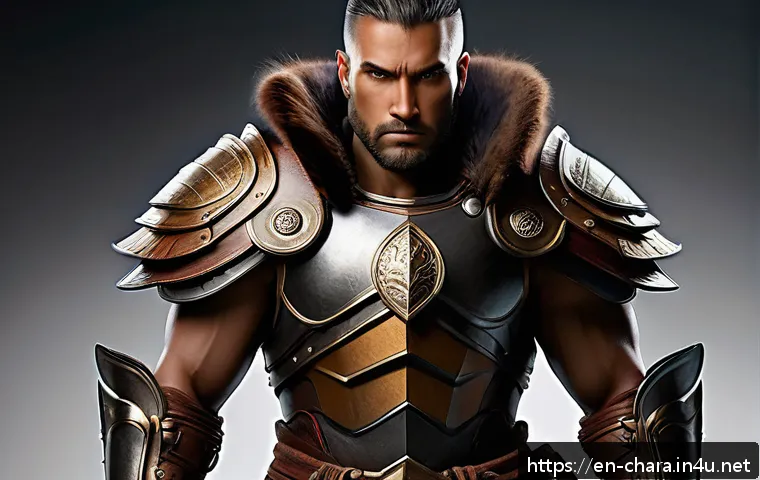
It’s about being an architect of personality, a sculptor of souls, if you will. A character designer’s job is to invent a being from the ground up, endowing them with a unique essence that communicates their backstory, motivations, and even their emotional state without a single word being spoken.
Think about how a character’s posture, the cut of their clothes, or the subtle tilt of their head can instantly tell you if they’re heroic, mischievous, or melancholic.
I remember a project where we spent weeks just refining a character’s silhouette, ensuring it conveyed a sense of hidden power and vulnerability simultaneously.
It truly felt like we were giving birth to someone who would go on to tell incredible stories. This role demands a deep understanding of storytelling, anatomy, costume design, and even psychology, because ultimately, you’re not just drawing; you’re *defining* who someone is within a narrative.
It’s a meticulous process of iteration, where every line and curve serves a purpose in building a believable, relatable, and often iconic individual.
The Blueprint for Beloved Figures: From Idea to Icon
The true magic of character design lies in transforming a nascent idea into a fully formed entity that audiences can connect with on an emotional level.
It’s about laying down the entire blueprint, from their expressions and gestures to how their outfit functions within their world. For me, the most rewarding part is seeing a character evolve from a rough sketch into a vibrant, living entity.
I’ve personally experienced the thrill of developing a character’s entire emotional spectrum, mapping out how their face would contort in anger, joy, or surprise.
It’s not just about what they look like; it’s about *how they feel* and *how they act*. This foundational work ensures that when an animator or illustrator takes over, they have a clear, consistent guide to follow, maintaining the character’s integrity across various mediums.
It’s an intricate dance of creativity and technical skill, ensuring that every detail, no matter how small, contributes to the overall character arc and narrative impact.
This is where “emotion-powered characters,” a huge trend in 2025, truly shine; designers are delving deeper into conveying complex feelings through visual cues alone.
Weaving Narratives: The Illustrator’s Visual Storytelling
Beyond the Character: Crafting Entire Worlds
Now, if a character designer is building the individual, an illustrator is orchestrating the entire symphony around them. Illustrators are the master visual storytellers, taking a concept or a text and translating it into a compelling visual narrative.
While they might include characters, their primary focus is on the *scene*, the *atmosphere*, and the *overall message* of an image. I’ve always found this role incredibly exciting because it allows for such broad artistic expression.
I vividly recall working on a book cover where the character was already designed, but it was *my* job to create an entire fantastical landscape around her, imbued with a sense of mystery and adventure.
It wasn’t just about drawing the elements; it was about choosing the right color palette, the perfect lighting, and the precise composition to evoke a specific feeling in the viewer.
Illustrators often work across diverse mediums, from editorial pieces and advertisements to book covers and game environments, each demanding a unique approach to visual communication.
They’re not just drawing; they’re setting the stage, building the mood, and guiding the viewer’s eye through a visual journey.
From Concept to Canvas: Bringing Stories to Life with Vigor
The beauty of illustration, in my eyes, is its ability to communicate complex ideas and emotions instantaneously. It’s about interpreting a brief and transforming it into a piece of art that speaks volumes without words.
I’ve personally had to take abstract concepts, like “growth” or “innovation,” and turn them into vibrant, engaging visuals for corporate clients. This requires not only artistic skill but also a keen understanding of metaphor and symbolism.
Illustrators are constantly thinking about composition, color theory, and how different visual elements interact to convey a specific message or emotion.
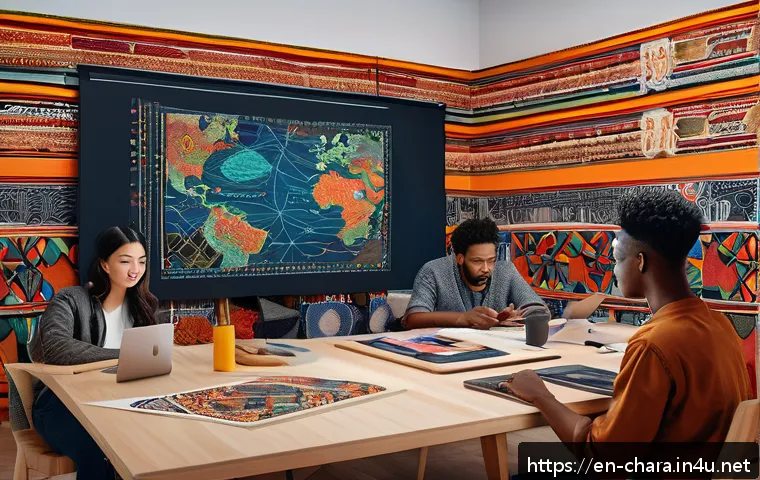
They are the ones who truly bring the “maximalist illustration” trend to life, layering intricate details and bold colors to create rich, immersive visual experiences.
The final artwork is a complete, self-contained story, where every element—from the main subject to the background details—serves to enhance the overall narrative.
It’s about creating a powerful, arresting image that captures attention and leaves a lasting impression.
Distinct Skillsets and Creative Approaches
The Architect vs. The Narrator: Core Competencies
When we talk about the core skills, it’s like comparing an architect to a novelist. A character designer is meticulously focused on foundational elements: anatomy, expression sheets, pose breakdowns, and ensuring consistency across all angles and emotional states.
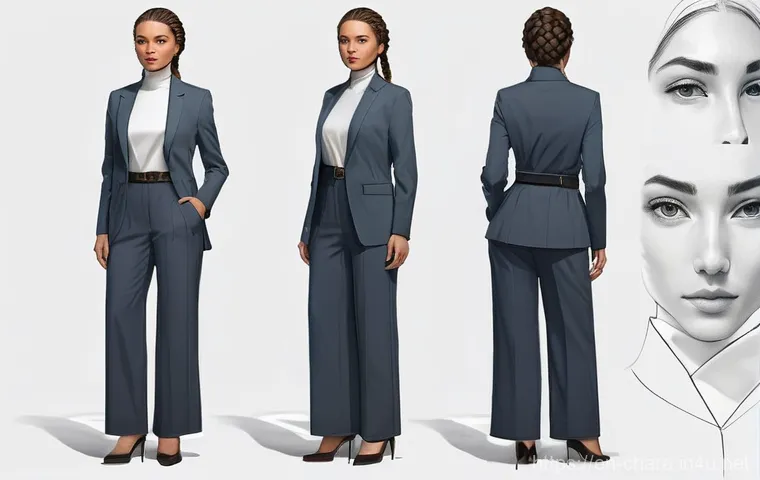
They often create turnaround sheets, model sheets, and expression charts, which are essentially instruction manuals for how a character *should* look and behave.
In my experience, this demands an almost scientific precision, coupled with an imaginative spark to truly make a character unique. It’s about understanding proportions, gesture, and the subtle ways a character’s design can communicate their inner world.
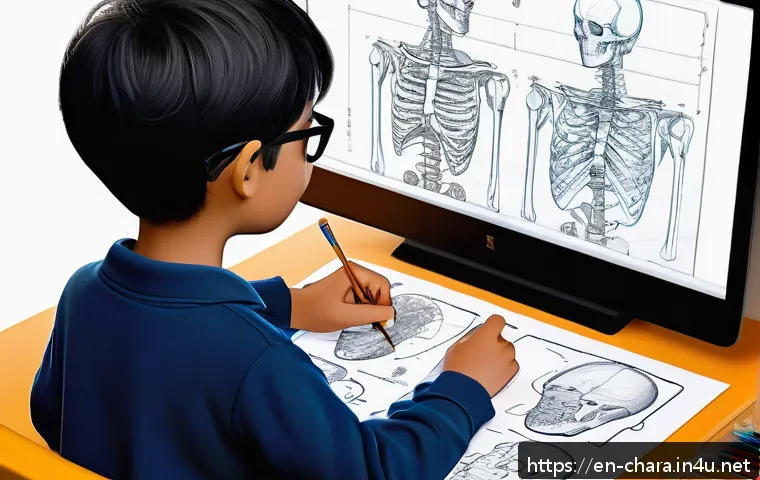
I’ve spent countless hours in workshops dissecting human and animal anatomy, not just for realism but to understand how to exaggerate features to tell a story through form.
Diverse Toolkits and The Digital Canvas
While both roles heavily utilize digital tools these days, their approach to software and techniques often diverges. Character designers frequently employ tools like ZBrush for sculpting 3D models to get a better feel for form and perspective, or use software like Clip Studio Paint for detailed line art and exploration of expressions.
Illustrators, on the other hand, might lean more heavily into Photoshop for intricate brushwork, texture application, and complex compositing, or Illustrator for scalable vector graphics.
I’ve seen illustrators achieve incredible effects with custom brushes that simulate traditional media, bringing a tactile feel to digital art. The choice of tool is always dictated by the end goal: is it to define a character’s structure, or to paint a vibrant scene?
| Aspect | Character Designer | Illustrator |
|---|---|---|
| Primary Focus | Developing distinct, consistent individuals; personality, anatomy, expressions. | Creating compelling visual narratives; scene, mood, overall message. |
| Core Deliverables | Model sheets, turnaround sheets, expression charts, character turnarounds. | Finished illustrations for books, magazines, advertisements, game environments. |
| Key Skills Emphasized | Anatomy, storytelling through form, consistency, emotional range, character development. | Composition, color theory, lighting, visual metaphor, narrative flow, environmental design. |
| Typical Workflow | Iterative sketching, defining traits, creating a visual guide for consistent portrayal. | Interpreting brief, conceptualizing scene, executing final artwork for a specific context. |
| Industry Impact | Forms the foundational visual identity of characters in media. | Communicates specific messages and enhances narratives through impactful visuals. |
From Concept to Completion: Workflow Divergence
The Iterative Journey of Character Creation
The workflow for a character designer is often a deeply iterative and exploratory process. It starts with a brief, which might be a simple sentence like “a wise old wizard who is secretly a trickster.” From there, the designer delves into research, mood boards, and countless thumbnail sketches, constantly refining silhouettes and exploring different stylistic directions.
I’ve personally gone through dozens of iterations for a single character, trying to find that perfect balance of familiar archetypes and unique twists.
Each design choice, from the shape of their nose to the type of fabric their clothes are made from, is carefully considered for how it contributes to their personality and narrative.
The designer then moves to more detailed sketches, refining anatomy, expressions, and creating those crucial turnaround sheets that ensure consistency.
It’s a journey of discovery, where the character slowly reveals themselves through the artist’s hands. The goal isn’t just a pretty picture; it’s a comprehensive visual guide that defines a character for future animators, modelers, and illustrators.
The Narrative Arc of an Illustration
An illustrator’s workflow, while also iterative, is generally more focused on a singular, complete piece of art for a specific purpose. They start with understanding the story or message they need to convey.
Let’s say it’s a cover for a fantasy novel. The illustrator will read the manuscript, pull out key themes and scenes, and then begin sketching compositions that best capture the book’s essence.
They’ll focus on how to draw the viewer’s eye, where to place the most important elements, and what kind of mood the lighting and colors should evoke.
I remember a project where the client specifically asked for a feeling of “hope against overwhelming odds.” My challenge was to translate that abstract concept into a tangible visual, using a specific character, environment, and color scheme to evoke that precise emotion.
Unlike character designers who create a versatile template, illustrators are crafting a specific moment in time, a unique visual narrative that stands on its own.
They consider the final medium—be it a small app icon or a large billboard—and optimize their work accordingly, ensuring maximum impact.
The Collaborative Tapestry: Roles in Production
The Character Designer’s Foundational Contribution
In larger production pipelines, especially in animation, games, or comic books, the character designer’s role is absolutely foundational. They are often among the first artists to join a project, defining the visual language for the entities that will populate the world.
Their output—those detailed model sheets and expression guides—becomes the bible for everyone else. I’ve experienced firsthand how a well-defined character design can streamline the entire production process, ensuring that whether a character is being animated in 2D, modeled in 3D, or rendered in a promotional illustration, they always look and *feel* consistent.
Without this meticulous groundwork, subsequent artists would be left guessing, leading to inconsistencies that can break immersion. It’s a huge responsibility because the character designer sets the tone for how audiences will perceive these virtual beings, creating a blueprint that artists across various departments will follow and build upon.
The Illustrator’s Integrative Artistry
Illustrators, on the other hand, often come into a project once the core concepts and characters are established. Their role is to integrate these elements into compelling visual narratives for specific applications.
They might create promotional art, key art for games, storyboards, or marketing materials. They take the character designer’s established work and place it within a dynamic scene, bringing the overall vision to life in a contextualized image.
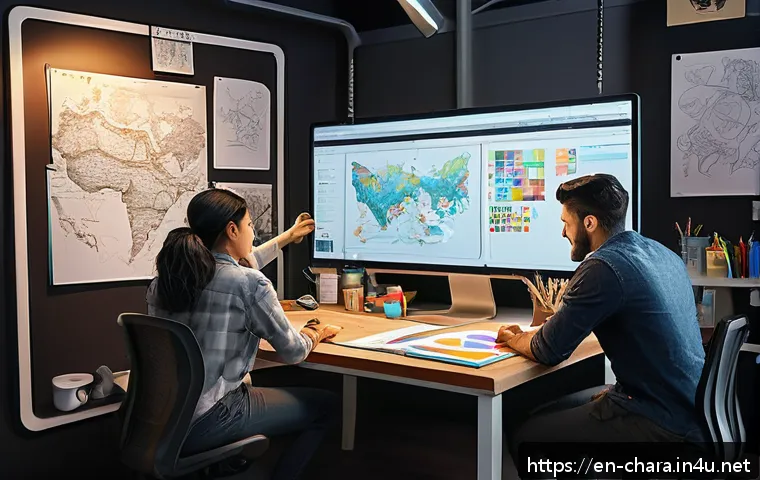
I’ve often worked alongside character designers, taking their beautiful creations and composing them into dramatic splash screens or engaging editorial pieces.
It’s a wonderful synergy, where the character designer provides the ‘who’ and the illustrator provides the ‘what’ and ‘where’ and ‘how’ of the story. They act as visual translators, taking the internal world of a project and presenting it to the external audience in an appealing and digestible format, ensuring the project’s visual presence is as strong and captivating as its core ideas.
The Ever-Evolving Landscape and Future Trends
AI’s Influence: Augmenting Creativity, Not Replacing It
It’s impossible to talk about the creative industry in 2025 without mentioning the elephant in the room: AI. And believe me, having navigated these waters, I’ve seen how AI-powered design tools are certainly reshaping both character design and illustration, but not in the way many initially feared.
For character designers, AI can be an incredible assistant for generating variations, exploring color palettes, or even quickly blocking out basic 3D forms, allowing artists to iterate at lightning speed.
I’ve personally experimented with AI to generate mood boards and reference images, which significantly cut down on my initial research time, freeing me up to focus on the truly creative aspects of personality and narrative.
It augments the designer’s ability to explore possibilities, turning weeks of work into days.
The Human Touch: Emotion and Authenticity Reign Supreme
However, here’s the crucial bit: the human element, the emotional intelligence, and the nuanced storytelling that defines exceptional character design and illustration, remains irreplaceable.
For illustrators, AI can help with background generation or texture creation, but the ability to compose a scene with true emotional resonance, to understand subtle narrative cues, and to inject that unique “maximalist illustration” energy?
That still requires the human touch. The current trends emphasize “emotion-powered characters” and authentic storytelling more than ever, a domain where human empathy and experience are paramount.
I’ve seen projects where AI generated stunning visuals, but they lacked that spark, that genuine feeling that connects with an audience. Ultimately, AI becomes a powerful tool in our arsenal, allowing us to push boundaries and focus on the deeper, more impactful aspects of our craft.
It truly feels like we’re moving into an era where our creativity is amplified, not diminished, by technology.
Finding Your Path: Passion and Purpose in Visual Arts
Unearthing Your Artistic Calling
Deciding whether to pursue character design or illustration can feel like a daunting choice, especially when both fields offer such incredible creative fulfillment.
But from my experience, it really boils down to where your passion truly lies. Do you find immense joy in dissecting personality, in imagining a being from the ground up, giving them a backstory that influences every curve of their silhouette?
Do you love the meticulous process of ensuring that a character’s wink or frown is perfectly consistent, embodying their unique spirit? If so, the nuanced world of character design might be calling your name.
It’s a role for those who love to invent individual lives, to give voice to the unseen through visual form, and to build the very heart of a narrative’s cast.
I’ve known artists who live and breathe character arcs, finding deep satisfaction in bringing a complex individual to life, piece by painstaking piece.
Crafting Worlds: The Illustrator’s Broad Canvas
Or perhaps your heart sings when you’re presented with a story and the challenge of translating its entire mood, setting, and message into a single, breathtaking image.
Do you thrive on composing intricate scenes, playing with light and shadow to evoke a specific emotion, or weaving complex narratives through visual metaphors?
If the idea of painting entire worlds, from fantastical landscapes to gritty urban environments, and embedding characters within those rich tapestries excites you, then illustration might be your true calling.
It’s for those who see the bigger picture, who enjoy the freedom to interpret and expand upon narratives, and who love the impact of a powerful, complete visual statement.
I’ve seen illustrators find their niche in everything from children’s books to sci-fi concept art, each bringing their unique vision to stories that resonate with millions.
Ultimately, both paths are incredibly rewarding, demanding dedication, skill, and an unwavering love for visual storytelling.
글을 마치며
As we wrap up this deep dive into character design and illustration, I genuinely hope this journey has illuminated the distinct yet beautifully interconnected worlds these artists inhabit. It’s truly fascinating to see how one focuses on the heartbeat of a personality while the other orchestrates the entire visual symphony around it. Through my own experiences, I’ve come to appreciate the incredible dedication and nuanced skill required in both, knowing that each role is absolutely vital in bringing stories and worlds to vibrant life. What an exciting time to be part of the visual arts, constantly learning and growing alongside these evolving definitions!
알아두면 쓸모 있는 정보
1. Specializing early on can be a game-changer for your career trajectory in the visual arts. When I first started out, I tried to do a little bit of everything, from logos to landscapes, but found myself feeling stretched thin and not truly excelling in any single area. It wasn’t until I truly honed in on what resonated with me—the creation of unique, living characters—that my portfolio began to shine and attract the right kind of attention. Focusing intensely on either character design or illustration, rather than broadly trying to master both simultaneously, allows you to build a profound depth of skill and a recognizable style. This focused approach not only accelerates your learning but also helps you develop the specialized techniques and understanding that make you indispensable in your chosen niche, allowing potential clients to immediately grasp your expertise and how you can specifically benefit their projects. It’s about becoming a master of your craft, rather than a jack-of-all-trades, which in today’s competitive landscape, truly sets you apart and helps you cultivate a strong professional reputation.
2. Networking and collaboration are your golden tickets to unlocking incredible opportunities and enriching your artistic journey. I remember a project early in my career where I was struggling with a complex background, and reaching out to an illustrator friend completely transformed the piece. The insights and techniques shared were invaluable, and it opened my eyes to the power of working with others. Attending virtual industry events, joining online artist communities, and even just actively engaging with other artists’ work on platforms like ArtStation or Behance can lead to unexpected partnerships, mentorships, and even job offers. These connections aren’t just about finding work; they’re about learning from diverse perspectives, pushing your own creative boundaries, and staying current with industry trends and techniques. It feels like building a creative family, where support and inspiration flow freely, allowing everyone to grow together. Never underestimate the impact of a friendly connection and a willingness to share and learn within your artistic community; it truly is a cornerstone of professional growth.
3. Developing a strong personal style is perhaps one of the most powerful assets you can cultivate as an artist, serving as your unmistakable signature in a crowded visual landscape. I’ve spent years experimenting, making what I thought were mistakes, and then realizing those “mistakes” were actually the building blocks of my unique voice. This isn’t about copying trends; it’s about deeply understanding what excites you, what visual elements you gravitate towards, and how you naturally express emotion or narrative. Whether it’s a particular line quality, a distinctive color palette, or a unique approach to rendering form, your style makes your work instantly recognizable and deeply personal. It’s this authenticity that clients often seek, as it brings an unparalleled flavor and perspective to their projects. Think of it as your artistic DNA; it’s what allows you to infuse every piece with a part of yourself, making your creations not just visually appealing, but also resonant and memorable for your audience.
4. Continuous learning and adaptability are non-negotiable in the fast-paced world of digital art. The tools and techniques available today are vastly different from what I started with, and honestly, it’s thrilling! I make it a point to regularly explore new software, attend webinars, and watch tutorials on skills outside my immediate comfort zone. Just last month, I delved into some advanced rigging techniques, not because I’m a rigger, but to better understand how my character designs would be animated, making my initial concepts stronger and more practical. The industry is constantly evolving, with new trends like “maximalist illustration” or “emotion-powered characters” emerging regularly. Staying curious, being open to new methodologies, and actively seeking out challenges will not only keep your skills sharp but also ensure you remain relevant and competitive. It’s an exciting journey of perpetual discovery, and honestly, that’s what makes this career so incredibly rewarding.
5. Understanding the business side of art, including client communication and project management, is just as crucial as your artistic talent. I learned this the hard way during a particularly challenging freelance project early on, realizing that brilliant art alone isn’t enough to sustain a career. Learning to write clear contracts, manage expectations, provide regular updates, and articulate your artistic choices effectively can make all the difference between a smooth collaboration and a frustrating one. I’ve found that strong communication builds trust and professionalism, leading to repeat clients and positive referrals. It’s about more than just delivering a beautiful piece; it’s about delivering a professional experience from start to finish. Mastering these “soft skills” empowers you to advocate for your worth, navigate tricky situations with grace, and ultimately, build a sustainable and thriving artistic practice.
중요 사항 정리
At its heart, the distinction between a character designer and an illustrator boils down to focus and purpose, yet both are deeply interwoven in the tapestry of visual storytelling. A character designer breathes life into a singular personality, meticulously crafting their every visual trait to convey an internal world and ensure consistent portrayal across all media. This role demands an almost anatomical precision combined with an imaginative flair, creating a foundational blueprint that defines who a character is. Illustrators, on the other hand, are the master storytellers of the visual realm, taking existing concepts or characters and weaving them into compelling narratives within a specific scene or context. They focus on composition, mood, and the overall message of an image, orchestrating elements to evoke emotion and communicate complex ideas instantaneously. While character designers build the individual, illustrators build the world and the narrative moment around them, ensuring that whether a project requires a unique hero or a breathtaking scene, the foundational and narrative visual elements are handled by dedicated experts. Both roles are paramount, demanding a blend of technical mastery, creative vision, and a profound understanding of how visuals can deeply resonate with an audience.
Frequently Asked Questions (FAQ) 📖
Q: Is it really necessary to specialize? Can’t I just be good at both character design and illustration, especially with all these new tools?
A: Oh, this is such a classic question, and believe me, I’ve wrestled with it myself throughout my career! It’s super tempting to want to be a jack-of-all-trades, especially when you’re starting out and everything feels exciting.
For a long time, I tried to do it all, thinking more skills meant more opportunities. But what I’ve learned, especially in today’s fast-paced creative world, is that while there’s certainly an overlap, specializing can truly set you apart.
Think about it: a character designer lives and breathes personalities. They spend their days delving into a character’s backstory, their emotional arc, their unique quirks that make them feel alive—from their silhouette to their subtlest facial expression.
It’s like being a method actor for drawings! They want to ensure that “emotion-powered characters” we see dominating screens and branding in 2025 truly resonate on a deep psychological level.
On the flip side, an illustrator is a visual storyteller, often focusing on creating entire scenes or narratives. They’re masters of composition, mood, light, and how all those elements come together to convey a message or evoke a feeling.
When you see a “maximalist illustration” exploding with color and intricate details, that’s an illustrator weaving a complex visual tapestry. They’re thinking about the whole world, not just the individual within it.
While some artists are incredible at both, I’ve seen firsthand that clients, especially those looking for truly impactful work, often prefer someone who has really honed their craft in one specific area.
It means you’re bringing a depth of expertise that a generalist simply can’t match. It’s not about being limited; it’s about becoming truly indispensable in your chosen niche.
Q: How has
A: I changed these roles, and what should aspiring artists focus on now to stay relevant and successful in 2025? A2: This is probably the question that keeps most artists up at night, and I totally get it!
I’ve been experimenting with AI tools a lot myself, and what I’ve found is that AI isn’t here to replace the heart of what we do; it’s augmenting the how.
In 2025, AI has become a phenomenal assistant for both character designers and illustrators. For character designers, it can rapidly generate variations of poses, expressions, or costume ideas, allowing them to iterate faster and explore concepts they might not have had time for before.
For illustrators, AI can help with initial layout ideas, generating mood boards, or even creating complex textures and patterns for those “maximalist” pieces.
I’ve personally used it to quickly visualize different color palettes, saving me hours of trial and error! However, here’s the kicker: the most relevant artists are those who understand how to direct AI, not just rely on it.
AI thrives on prompts, but it lacks genuine empathy, nuanced storytelling, and that undeniable “human touch” that makes art truly connect. My advice to aspiring artists is this: Double down on your core human skills.
Really hone your understanding of anatomy, color theory, composition, and above all, storytelling. Learn to infuse your work with unique experiences, emotions, and perspectives that only a human can bring.
Also, become proficient in prompt engineering! Learning to communicate effectively with AI tools is a skill in itself. Think of AI as a super-powered brush; it won’t paint a masterpiece without a visionary artist behind it.
Focus on building an authentic portfolio that showcases your unique voice and human creativity, even if you’re using AI in your process. That’s what clients are really looking for in this AI-saturated landscape.
Q: With trends like “emotion-powered characters” and “maximalist illustration” dominating, how do these roles contribute differently to these specific styles?
A: Ah, these two trends are absolutely electrifying the visual landscape in 2025, aren’t they? I’ve been watching them unfold with so much excitement, and it really highlights the distinct contributions of character designers and illustrators!
For “emotion-powered characters,” the character designer is truly the MVP. They’re the architects of feeling, diving deep into the psychology of a character to ensure every line, every curve, every subtle detail contributes to a believable personality.
They think about the character’s core emotional range: how do they look when they’re overjoyed versus quietly heartbroken? What’s their default posture, and how does it change under stress?
I once worked on a project where the character designer spent weeks just refining the tilt of an eyebrow to convey a specific blend of sass and vulnerability—that’s the kind of meticulous, empathy-driven work they do.
They’re making sure that when you look at a character, you don’t just see a drawing, but a relatable individual you instantly connect with. Now, when we talk about “maximalist illustration,” that’s where the illustrator truly shines!
This trend is all about rich, layered, and often wonderfully chaotic visual storytelling, where “more is more”. An illustrator takes that emotion-powered character and places them within an entire world.
They’re orchestrating a symphony of bold colors, intricate patterns, diverse textures, and dynamic compositions to create a feast for the eyes. It’s about crafting a narrative not just through a character’s expression, but through the vibrant, detailed environment surrounding them.
They might integrate complex flora and fauna, architectural elements, or a kaleidoscope of abstract shapes, all meticulously arranged to tell a grander, more immersive story.
While the character designer gives us the soul, the illustrator builds the breathtaking universe for that soul to inhabit, making sure every single element screams personality and captures your attention for a good long while.
It’s a beautiful partnership, really, each bringing their unique magic to create something truly unforgettable.