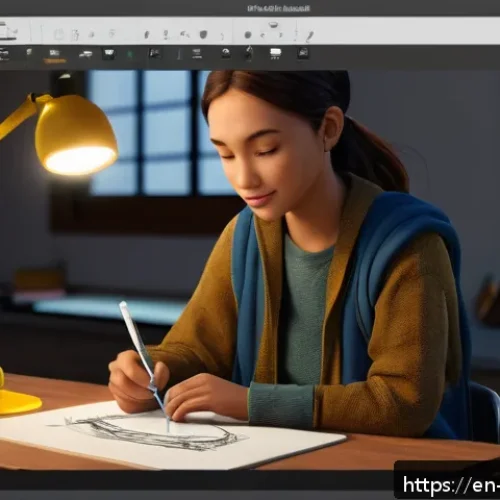
Hey there, fellow creators! Have you ever looked at a captivating character from your favorite game or movie and wondered, “How did they *do* that?” I know I have, countless times.
It’s more than just a pretty face or cool outfit, isn’t it? Bringing a character to life, making them feel real, relatable, and utterly unforgettable, that’s the true magic.
And trust me, it’s a journey that’s as challenging as it is incredibly rewarding. With the explosion of new media, from immersive virtual worlds to indie game sensations, the demand for truly unique and resonant characters has never been higher.
You might feel overwhelmed by where to even begin, thinking about anatomy, storytelling, or even the latest digital tools. But don’t worry, I’ve personally navigated those waters, and I’m here to share what I’ve learned about building a solid foundation.
If you’re dreaming of designing characters that truly stand out and capture hearts, then you’re in the right place. Let’s delve into the absolute essentials you need to master to make your character dreams a reality.
We’ll explore it in detail below.
Beyond the Blueprint: Crafting a Compelling Backstory

There’s a common misconception that character design starts and ends with what you see on the screen. But let me tell you, from personal experience, the most unforgettable characters are built on a bedrock of stories you might never even fully see.
It’s about delving deep into their past, understanding what makes them tick, what scars they carry, and what dreams they chase. Think of it like a rich tapestry; the visual elements are the vibrant threads, but the backstory is the loom that holds it all together, giving it structure and meaning.
When I first started out, I’d jump straight to sketching, only to find my characters felt hollow. It was only when I began asking “why” – why do they wear that, why do they react this way, what happened to them before this moment – that they truly began to breathe.
This foundational work isn’t just for you, the creator; it subtly permeates every design choice, every line of dialogue, and every action your character takes, making them resonate deeply with your audience.
Without a solid backstory, even the most visually stunning character can feel like a pretty doll, devoid of soul, and trust me, audiences crave soul.
Unearthing Their Past: The Foundation of Personality
Before you even think about a character’s eye color or their fashion sense, spend some serious time building their world, their personal history, and their core experiences.
Where did they grow up? What kind of family did they have? Were they rich or poor, loved or neglected?
Did they face a significant trauma, or experience a profound triumph early in life? These are the events that forge a character’s personality, their biases, their fears, and their aspirations.
For instance, a character raised in a bustling city might be quick-witted and street-smart, while someone from a tranquil village might possess a quiet resilience.
I once designed a rogue character who initially felt a bit generic, but after diving into a backstory where they were falsely imprisoned as a child, their cynical outlook and distrust of authority suddenly made perfect sense.
It wasn’t just a trait; it was a consequence. This deep dive into their personal history informs everything, from their body language to their decision-making process, making them feel incredibly real and consistent.
Weaving Threads of Conflict and Motivation
Every great story needs conflict, and every compelling character needs motivation. These two elements are intrinsically linked to their backstory. What challenges have they overcome?
What lingering issues still plague them? More importantly, what do they *want* more than anything else? This desire, whether it’s for revenge, redemption, love, or power, is their driving force.
It’s what gets them out of bed in the morning, propels them through danger, and defines their journey. When I’m working on a new character, I always pinpoint their core motivation and then trace it back to an origin in their past.
Perhaps they lost a loved one, fueling a quest for justice, or maybe they were always underestimated, leading to an insatiable hunger for recognition.
These deeply rooted motivations make a character relatable and their actions understandable, even if those actions aren’t always heroic. People connect with characters whose struggles and desires mirror their own, even in fantastical settings, making their journey captivating.
Giving Them Life: Mastering Visual Storytelling
Once you have that solid foundation of backstory, it’s time to translate it into visuals that speak volumes without uttering a single word. Visual storytelling is an art form in itself, and it’s where a character truly comes to life in the eyes of the audience.
It’s not just about making them look “cool” or “pretty”; it’s about conveying their personality, their history, their status, and their role in the narrative through every line, shape, and color.
I’ve seen countless designs that look aesthetically pleasing but fail to communicate anything deeper about the character, and they quickly fade from memory.
The trick, I’ve found, is to treat every visual element as an opportunity to tell a piece of their story. Every scar, every piece of clothing, every piece of jewelry – they all contribute to the overall impression and subtly inform the viewer about who this person is, where they come from, and what they’ve endured.
This intentionality in design is what transforms a simple drawing into a living, breathing entity that captures hearts and minds.
From Silhouette to Sparkle: The Power of Form and Proportion
Before you even get to the intricate details, focus on the overall shape and proportions of your character. A strong, easily recognizable silhouette is paramount; it allows an audience to identify a character instantly, even from a distance or in shadow.
Think of iconic characters – their silhouettes are often as famous as their faces! Beyond recognition, shape language can communicate personality. Sharp angles might suggest aggression or cunning, while soft, rounded forms could imply kindness or naiveté.
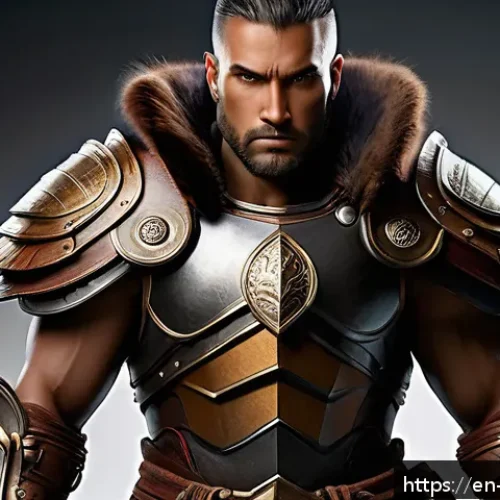
Similarly, exaggerated proportions can emphasize certain traits or roles. A hulking warrior benefits from broad shoulders and thick limbs, whereas a nimble thief might have a lean, agile build.
When I’m brainstorming, I often start with just a few basic shapes, exploring how different combinations instantly evoke certain feelings or ideas about the character before I add any details.
This foundational step ensures your character’s visual identity is robust and communicates effectively, even at a glance, drawing people in from the very first impression.
Costume, Color, and Culture: Dressing for Success
A character’s attire is so much more than just clothes; it’s a powerful tool for conveying information about their world, their status, their occupation, and even their current emotional state.
Every fabric, accessory, and color choice should be deliberate. Is their clothing well-maintained or tattered? Does it reflect a specific cultural background or futuristic aesthetic?
The color palette you choose for their costume can evoke emotions and symbolize aspects of their personality. For instance, vibrant reds might suggest passion or danger, while earthy tones could indicate practicality or a connection to nature.
I always research real-world fashion, historical garments, and cultural symbolism to add layers of authenticity to my designs. It’s amazing how a slight shift in a collar, or the addition of a specific emblem, can completely change how an audience perceives a character.
Don’t just dress them; tell their story through their wardrobe, creating an immediate and lasting visual impact that draws people deeper into their narrative and makes them unforgettable.
Facial Expressions and Body Language: The Silent Dialogue
Even the most beautiful design falls flat if the character can’t express themselves. Facial expressions and body language are non-verbal cues that convey a character’s emotions, intentions, and personality with incredible clarity.
A slight lift of an eyebrow, a subtle twitch of the lips, or the way they hold their hands can speak volumes. Mastering these nuances allows your character to truly connect with the audience on an emotional level.
I spend a lot of time studying real people, observing how different emotions manifest physically. It’s not about exaggerating every emotion, but finding the subtle tells that make expressions feel genuine and relatable.
A character who constantly fidgets might be anxious or deceitful, while one who stands tall and composed exudes confidence. These elements are crucial for conveying narrative progression and internal states without relying solely on dialogue.
When a character’s visual cues align with their internal world, they become incredibly compelling, inviting the audience to empathize and understand them more deeply.
The Art of Authenticity: Voice, Personality, and Relatability
Once your character has a visual presence and a past, the next critical step is to imbue them with an authentic personality and a distinct voice. This is where they truly begin to feel like a real person, not just a design.
An authentic character is one whose actions, reactions, and dialogue are consistent with their established personality and backstory. It’s about creating someone who feels genuine, with strengths, flaws, quirks, and convictions that make them unique.
I’ve found that when a character feels authentic, audiences don’t just observe them; they empathize with them, cheer for them, or even get frustrated with them, just as they would with real people.
This deep emotional connection is what fosters long-term engagement and makes characters stick with us long after the story ends. Authenticity isn’t about perfection; it’s about believable imperfection and internal consistency that makes a character’s journey feel earned and impactful.
Finding Their Voice: Dialogue and Inner Monologue
A character’s voice is more than just the words they say; it’s *how* they say them, their vocabulary, their cadence, their tone, and even their unique turns of phrase.
Does your character use slang, formal language, or speak in riddles? Do they hesitate, interrupt, or deliver grand monologues? These choices should be directly informed by their background and personality.
A streetwise character might have a sharp, clipped manner of speaking, while a scholar might employ complex sentences and obscure references. Beyond external dialogue, consider their inner monologue – what thoughts and feelings do they keep to themselves?
This internal narrative provides crucial insight into their true nature and can create fascinating tension between what they say and what they truly feel.
I always try to “hear” my characters speak in my head, imagining how they would react in different situations, which helps to solidify their unique verbal identity.
This consistency in voice makes them feel like a familiar friend or foe, inviting the audience into their world.
Flaws and Strengths: The Human Touch
No one is perfect, and neither should your characters be. In fact, their imperfections are often what make them most relatable and compelling. A character who is only strong or only good can feel two-dimensional and uninteresting.
True authenticity comes from embracing their flaws, vulnerabilities, and internal conflicts alongside their strengths and virtues. Perhaps they’re incredibly brave but also deeply insecure, or fiercely loyal but prone to explosive anger.
These contrasts create internal tension and provide opportunities for growth and conflict within the narrative. When I design a character, I often list their top three strengths and their top three weaknesses, then explore how these might clash or complement each other.
These imperfections make them human, allowing the audience to see a reflection of themselves and their own struggles, fostering empathy and a deeper connection.
It’s in their struggle to overcome or cope with their flaws that a character truly shines and becomes memorable.
Evolution and Growth: Designing for Dynamic Narratives
The most captivating characters are rarely static; they grow, they change, they learn from their experiences, and they are shaped by the events around them.
Designing a character with the potential for evolution is crucial for dynamic narratives and keeping an audience engaged over the long haul. It’s about planting seeds early on – a character’s initial beliefs, their key weaknesses, or an unfulfilled desire – and then meticulously crafting a journey that challenges these aspects, forcing them to adapt and transform.
I’ve found that characters who undergo significant, believable changes throughout a story resonate far more deeply than those who remain largely the same.
This growth isn’t always linear; sometimes it involves setbacks, wrong turns, and moments of doubt, which only serve to make their eventual transformation more impactful and earned.
Arcs and Transformations: Characters Who Learn and Change
A character arc is the journey of change a character undergoes from the beginning to the end of a story. This isn’t just about external events; it’s about internal transformation.
Does your character overcome a major flaw? Do they embrace a new philosophy? Do they achieve a previously unattainable goal, or perhaps realize that what they truly wanted was different from what they initially sought?
Visual changes can also support this arc – a character might start in tattered clothing and end up with a more refined look, or vice-versa, reflecting their internal journey.
I always outline potential turning points for my characters, moments where their beliefs are challenged or where they make a pivotal decision that sets them on a new path.
These moments of change are powerful because they demonstrate resilience, self-discovery, and the ability to adapt, making the character feel more alive and their journey more meaningful to the audience.
The Impact of Environment: Shaping Their Journey
Characters don’t exist in a vacuum; they are constantly influenced by their environment, the people they encounter, and the circumstances they face. Designing a character means considering how their surroundings will shape their choices and their growth.
A character forced to survive in a harsh wilderness will develop different skills and perspectives than one raised in a lavish palace. Interactions with other characters can also be powerful catalysts for change, forcing them to confront their prejudices, challenge their assumptions, or discover new aspects of themselves.
I often think about how different settings or relationships might pressure my character to reveal hidden depths or make difficult choices. This interplay between the character and their world creates rich narrative opportunities and ensures that their evolution feels organic and earned, rather than arbitrary.
It’s the constant push and pull with their surroundings that molds them into the person they ultimately become.
The Toolkit: Essential Skills and Software for Modern Designers

Navigating the world of character design today means having a versatile toolkit, both in terms of fundamental artistic skills and proficiency with cutting-edge digital software.
It’s a dynamic field where traditional craftsmanship meets technological innovation, and truly great designers embrace both. When I started, it was all about pencil and paper, but the landscape has evolved dramatically.
While foundational art skills remain absolutely crucial, understanding and leveraging digital tools can significantly enhance your workflow, expand your creative possibilities, and improve your efficiency.
Don’t get me wrong, you don’t need to master *every* piece of software out there, but having a solid grasp of the industry standards can open up incredible opportunities.
It’s a constant learning process, staying updated with new techniques and software, but it’s incredibly rewarding to see what you can achieve when you combine traditional artistic sensibilities with powerful digital capabilities.
Traditional Roots, Digital Wings: Foundational Art Skills
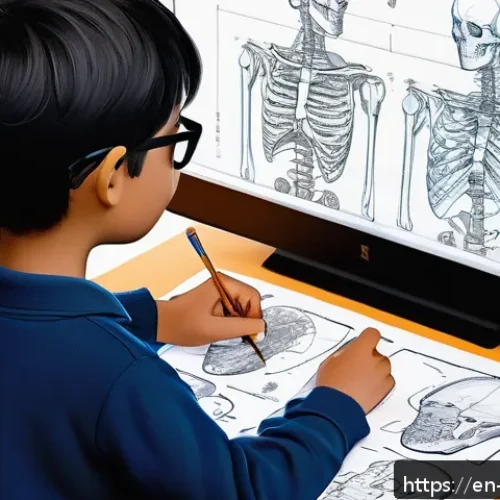
No matter how advanced the software gets, the bedrock of character design will always be strong foundational art skills. We’re talking about understanding anatomy, proportion, perspective, color theory, composition, and light and shadow.
These are the principles that empower you to create believable and engaging characters, whether you’re sketching on a napkin or sculpting in 3D. I can’t stress enough how much a solid grasp of human and animal anatomy has helped my designs.
Knowing how muscles attach, how bones articulate, and how forms turn in space allows you to draw or sculpt dynamic poses and expressive figures, even if your final style is highly stylized.
It’s also about developing your eye – learning to observe the world around you, capturing gestures, expressions, and the subtle nuances that make people unique.
These fundamental skills are your creative superpowers; they give you the confidence and ability to bring any character concept to life, regardless of the medium.
Software Savvy: Navigating the Digital Landscape
In today’s design world, proficiency with digital tools is non-negotiable. While the exact software might vary by industry (games, animation, illustration), certain programs have become staples.
For 2D work, programs like Adobe Photoshop and Clip Studio Paint are industry standards for concept art, illustration, and painting. For 3D character design, ZBrush and Blender are incredibly powerful for sculpting, while Autodesk Maya or 3ds Max are often used for modeling, rigging, and animation.
Even for beginners, getting comfortable with at least one 2D and one 3D program can be a game-changer. I personally swear by a combination of Photoshop for initial concepts and ZBrush for fleshing out 3D models.
The key isn’t to be an expert in every single function, but to understand the core workflows and how to translate your artistic vision using these digital canvases.
Online tutorials, workshops, and even free software trials are fantastic resources to get started and keep your skills sharp.
| Software | Primary Use Cases | Typical Industry Focus |
|---|---|---|
| Adobe Photoshop | 2D Concept Art, Illustration, Texture Painting | Games, Animation, Publishing |
| Clip Studio Paint | 2D Illustration, Comics, Manga, Animation (basic) | Comics, Illustration, Indie Games |
| ZBrush | 3D Digital Sculpting, High-Poly Modeling | Games (High-res models), Film (Creature design), Collectibles |
| Blender | 3D Modeling, Sculpting, Animation, Rendering, Texturing | Indie Games, Animation, VR/AR, General 3D |
| Autodesk Maya | 3D Modeling, Rigging, Animation, Simulation, Rendering | Film, AAA Games, Commercials |
| Substance Painter | 3D Texture Painting, Material Creation | Games, Film, Arch-Viz |
Monetizing Your Masterpiece: Turning Characters into Profit
Let’s be real, while passion drives us, making a living from your character designs is also a huge goal for many. The good news is, the avenues for monetizing your creative work are more diverse than ever before.
It’s not just about getting hired by a big studio anymore, though that’s certainly a fantastic path. With the rise of independent creators, crowdfunding platforms, and online marketplaces, you have unprecedented control over how you bring your characters to the world and turn them into a sustainable income stream.
From my own journey, I’ve learned that a multi-pronged approach often works best. Don’t put all your eggs in one basket! Think strategically about how your characters can extend beyond their initial medium and captivate audiences in various forms, generating revenue while strengthening their brand.
It’s about building a universe around your creations, not just a single piece of art, and trust me, the financial rewards can be incredibly satisfying.
Merchandise Magic: Beyond the Screen
One of the most exciting ways to monetize your characters is through merchandise. Once people fall in love with your creation, they want to bring a piece of that magic into their own lives.
This can range from physical products like action figures, plush toys, apparel (t-shirts, hoodies), and posters, to digital goods such as stickers, phone wallpapers, or even emotes for streaming platforms.
The key here is to understand your audience and what they value. For instance, if your character has a cute, cuddly aesthetic, plushies and stationery might be a huge hit.
If they’re a fierce warrior, high-quality prints or detailed figurines could be more appealing. Setting up an online shop through platforms like Etsy or Shopify, or partnering with print-on-demand services, makes this incredibly accessible even for solo artists.
I’ve personally seen how a well-designed piece of merchandise can spark joy for fans and also create a steady stream of passive income, transforming a character from a concept into a tangible, beloved item.
Licensing Lore: Expanding Your Character’s Reach
Another powerful avenue for monetization is licensing your characters for use in other media or products. This means granting permission to other companies or creators to use your character’s likeness, name, or story elements in exchange for a fee or royalties.
This could involve your character appearing in a comic book, a mobile game developed by another studio, a commercial, or even inspiring a line of themed products like breakfast cereals or school supplies.
Licensing can dramatically expand your character’s reach and visibility, introducing them to entirely new audiences and generating significant income without requiring you to do all the heavy lifting yourself.
Building a strong intellectual property (IP) around your character, complete with detailed lore and a clear visual style guide, makes them more attractive to potential licensees.
It’s a strategic move that can elevate your character from a niche favorite to a widely recognized icon, turning your creative vision into a powerhouse brand.
Crowdfunding Your Creations: Building Direct Support
In the modern creator economy, platforms like Kickstarter and Patreon have revolutionized how artists fund their projects and build a direct relationship with their audience.
Crowdfunding allows you to raise capital for new character-focused projects – be it a graphic novel, an animated short, or a line of custom figures – directly from your most ardent fans.
Patreon, on the other hand, provides a way for fans to offer ongoing financial support in exchange for exclusive content, behind-the-scenes access, or early looks at your work.
This model not only provides financial stability but also fosters an incredibly loyal community around your characters. I’ve used crowdfunding myself for a small passion project, and the experience of seeing hundreds of people believe in my characters enough to financially support them was incredibly validating and empowering.
It truly creates a synergistic relationship where your fans become active participants in bringing your creations to life, ensuring your artistic endeavors can continue to thrive.
Connecting with Your Audience: Building a Fandom
Creating incredible characters is only half the battle; the other half, and arguably just as important for longevity and impact, is fostering a vibrant community around them.
Building a fandom isn’t just about accumulating followers; it’s about cultivating genuine engagement, creating a space where people can celebrate your creations together, and making them feel like a part of the character’s journey.
From my own experience, I’ve learned that the more you interact with your audience, the more invested they become. This connection goes beyond simple likes and shares; it’s about sharing your process, listening to their feedback, and sometimes, even letting them contribute to the character’s evolving story.
When an audience feels a sense of ownership and belonging, they become your most passionate advocates, driving organic growth and ensuring your characters endure in their hearts and minds for years to come.
Community Engagement: Bringing Your Characters to Life Online
In today’s digital age, social media platforms are your playground for connecting with your audience. Share snippets of your work-in-progress, behind-the-scenes insights into your design process, and even concept art that didn’t make the cut.
Engage with comments, ask questions, and run polls to involve your audience in minor design decisions. Platforms like Instagram, X (formerly Twitter), and even dedicated Discord servers can become hubs for your character’s fandom.
I’ve found that even simple “Ask Me Anything” (AMA) sessions where I answer questions about my characters’ lore or motivations generate huge excitement.
The goal is to make your audience feel like they’re getting a unique, intimate look into your creative world and the characters inhabiting it. This consistent, authentic engagement not only builds loyalty but also keeps your characters fresh in people’s minds, encouraging more shares and discussions that naturally expand your reach.
Interactive Storytelling: Letting Fans Shape the World
Take audience engagement a step further by inviting them to participate in the character’s evolving narrative. This could be as simple as letting them vote on a minor plot point in a webcomic, suggesting names for new background characters, or even crafting fan fiction or fan art based on your creations.
Some creators host community design challenges where fans create their own versions or interpretations of existing characters, which can be incredibly fun and generate a wealth of user-generated content.
I’ve experimented with small interactive polls on my social media where fans could influence a character’s next outfit or choose a direction for a short story, and the response was overwhelmingly positive.
It transforms passive observers into active co-creators, making them feel genuinely invested in the characters’ destinies. This kind of collaborative storytelling not only deepens their connection but also ensures a dynamic, ever-evolving world that keeps your characters relevant and exciting.
Wrapping Things Up
And there you have it, fellow creators! What a journey we’ve been on, exploring the magical process of bringing characters to life. It’s more than just drawing pretty pictures; it’s about breathing soul into every line, every expression, every piece of their history. I genuinely hope that sharing my insights, the trials and triumphs from my own design adventures, has given you some fresh perspectives and a spark of inspiration. Remember, the goal isn’t just to create a character, but to craft a legend, one that resonates deeply with hearts and minds, building bridges between your imagination and your audience. Keep experimenting, keep connecting, and most importantly, keep telling those incredible stories!
Good to Know Info
1. Before diving into visual details, always spend ample time crafting a comprehensive backstory and understanding your character’s core motivations. This foundation will inform every subsequent design choice and make your character feel truly authentic.
2. Actively engage with your audience on social media platforms. Share your work-in-progress, behind-the-scenes content, and ask for feedback. Building a loyal community is crucial for longevity and amplifying your character’s reach.
3. Don’t limit yourself to a single monetization strategy. Explore avenues like merchandise, licensing, and crowdfunding to create diverse income streams and build a sustainable career around your creations. A multi-pronged approach often yields the best results.
4. Continuously refine both your traditional art skills (anatomy, color theory, composition) and your proficiency with digital software. The design landscape is always evolving, and staying updated will keep your toolkit sharp and your creative possibilities endless.
5. Embrace your character’s flaws and allow them room for growth. Perfect characters are rarely relatable. It’s their struggles, their learning, and their transformations that forge a deep, emotional connection with the audience and make them unforgettable.
Key Takeaways
Crafting a compelling character is a holistic process that goes far beyond initial sketches. It’s about weaving together a rich backstory, translating personality into impactful visuals, ensuring authentic voice and relatability, and designing for believable evolution throughout their narrative. Equally vital is the strategic approach to monetization and the cultivation of a dedicated community. By combining deep creative passion with smart audience engagement and diverse revenue strategies, you can transform your characters from mere designs into beloved icons that captivate and inspire, creating a lasting legacy in the hearts of many.
Frequently Asked Questions (FAQ) 📖
Q: How do I even begin designing a character that truly stands out when there are so many elements to consider, and honestly, it feels a bit overwhelming?
A: Oh, believe me, I totally get that feeling of being swamped! When I first started out, it felt like there were a million things to think about all at once – anatomy, colors, backstory, silhouette… it was a lot.
What I’ve personally found incredibly helpful is to start with the heart of your character, not just the visuals. Before you even pick up a pencil or open your software, ask yourself: Who is this character?
What drives them? What’s their core personality, their biggest dream, or their deepest fear? When you nail down that emotional and psychological core, it’s like setting a compass.
Everything else – their hairstyle, their clothing, their posture, even their favorite snack – starts to flow naturally from that foundational understanding.
It’s like getting to know a real person before you try to draw their portrait. I always advise my students to jot down a few bullet points about their character’s personality, their motivations, and maybe one unique quirk.
This isn’t just some fluffy exercise; it actually builds a stronger, more authentic base that will shine through in your design and make your character instantly more memorable and unique.
It’s truly the game-changer for moving beyond generic designs.
Q: Beyond just looking cool, what’s the secret sauce to making a character feel real and genuinely relatable to an audience?
A: This is where the real magic happens, isn’t it? Anyone can make a character look “cool,” but making them feel real and relatable? That’s an art form.
From my own journey, and through countless hours observing what truly resonates with people, I’ve learned that it boils down to two key things: authenticity and vulnerability.
Think about your favorite characters – they aren’t perfect, are they? They have flaws, they make mistakes, they struggle, and they have moments of doubt or triumph that we can all connect with.
It’s those imperfections, those very human quirks and struggles, that make them feel alive. I always try to infuse a bit of myself, or someone I know, into my characters.
What are their everyday habits? Do they bite their nails when nervous? Do they hum a little tune when they’re happy?
What makes them angry, or joyful? Giving them small, specific details and even contradictory traits can make them incredibly compelling. For instance, a tough warrior who secretly loves gardening, or a brilliant scientist who’s terribly clumsy.
These little unexpected facets are what give a character depth, making them feel like someone you could actually meet. When you allow your characters to be flawed, to experience genuine emotions, and to grow, that’s when audiences truly connect with them on a deep, personal level.
That connection is priceless.
Q: With all the new tools and trends out there, what fundamental skills or areas of knowledge should I prioritize to build a solid foundation in character design?
A: Oh, the digital landscape is always evolving, which is both exciting and a little daunting, right? I’ve personally navigated that exact question, constantly wondering what to focus on.
While mastering specific software or chasing the latest trend can be fun, what truly builds an unshakable foundation are the timeless principles. First and foremost, a strong understanding of traditional art fundamentals is absolutely non-negotiable.
I’m talking about anatomy (even if your characters are stylized, knowing the underlying structure is crucial), perspective, composition, and color theory.
These are your bedrock. You don’t need to be a hyper-realistic painter, but knowing how light hits a form or how colors evoke emotion will elevate any style.
Beyond that, I’d strongly encourage focusing on storytelling and psychology. A visually stunning character without a compelling story or personality is just a pretty picture.
Learn about narrative arcs, character archetypes, and how different human emotions are expressed through posture and facial expressions. Drawing from life, studying people in cafes or on the street, and even just observing how your pets move – these are invaluable exercises.
I always say, “The best tools are in your head and your hands, not just on your screen.” Combine those foundational art skills with a deep dive into human behavior and storytelling, and you’ll be unstoppable, no matter what new software comes out next year.