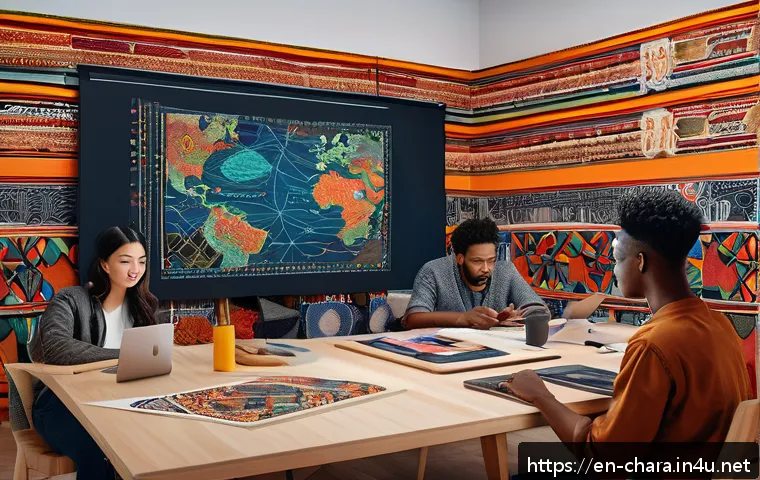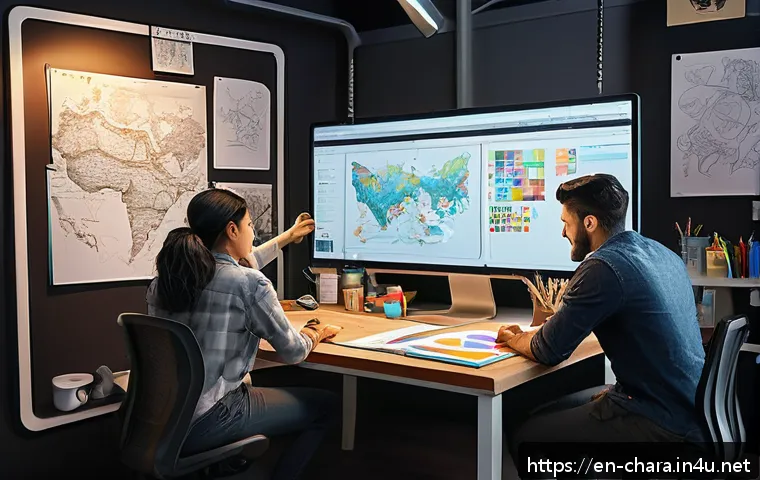
In the world of character design, collaboration is more than just sharing ideas—it’s about blending diverse creative visions to bring characters to life in the most compelling way.
Enhancing your teamwork skills can significantly boost both the quality of your work and the efficiency of the entire project. From communicating effectively with illustrators and animators to understanding feedback from directors, strong collaboration is key.
Whether you’re working remotely or in a studio setting, mastering these skills will help you navigate challenges and create characters that resonate. Let’s dive in and explore practical ways to sharpen your collaboration skills in character design!
Building Clear Communication Channels
Establishing Common Terminology
When working with illustrators, animators, and other creatives, one of the first hurdles is language. Not everyone interprets terms like “silhouette,” “line weight,” or “expression” the same way.
I’ve found that early on, setting a shared vocabulary makes a world of difference. Instead of assuming everyone knows what you mean, take a moment to clarify.
For example, when I say “dynamic pose,” I explain what that entails for the character’s mood and movement. This prevents misunderstandings that could derail progress later on.
It’s like building a common ground before starting the real work.
Active Listening to Capture Intent
Collaboration is not just about sharing your ideas loudly but genuinely hearing others. During feedback sessions, I make it a point to listen carefully to what the director or animator is trying to convey beyond the words.
Sometimes, the frustration behind a comment reveals an unspoken challenge, like a technical limitation or a narrative conflict. By tuning in to these cues, I can tailor my designs better and respond thoughtfully.
This approach has saved me countless revisions and improved my relationships with teammates.
Utilizing Visual Aids for Clarity
Words can sometimes fail to capture complex character concepts. That’s where sketches, mood boards, and quick thumbnails come in handy. I often sketch rough ideas and share them instantly in chat or during calls.
This visual backup helps everyone see what I mean without ambiguity. It’s especially helpful when collaborating remotely, where tone and nuance can get lost.
Over time, these small visuals become a universal language within the team, speeding up decision-making and reducing back-and-forth emails.
Embracing Feedback as a Growth Tool
Separating Ego from Constructive Criticism
One of the toughest parts of collaboration is handling criticism without taking it personally. Early in my career, I struggled with this because I felt my ideas were being rejected rather than refined.
Now, I remind myself that feedback is about the project, not me. When a director suggests changing a feature or color, it’s an opportunity to learn and improve rather than a personal attack.
This mindset shift has helped me stay open and enthusiastic about revisions, which ultimately leads to stronger character designs.
Clarifying Feedback for Actionable Steps
Feedback is often vague or broad, leaving room for interpretation. Instead of guessing what a director or teammate wants, I ask specific questions. For example, “When you say the character needs to be ‘more approachable,’ do you mean softer facial features, friendlier posture, or something else?” This way, I get clear direction and avoid redoing work unnecessarily.
I’ve noticed that this habit also signals to others that I’m serious about delivering exactly what the team needs.
Creating a Feedback Loop
Effective collaboration is an ongoing conversation rather than one-time input. I strive to create a feedback loop where I present initial concepts, gather input, make adjustments, and then seek final approval.
This iterative process builds trust and ensures everyone feels heard. It’s important to document key feedback points and share updated versions promptly.
Doing so keeps the momentum going and prevents surprises close to deadlines.
Leveraging Technology for Seamless Teamwork
Choosing the Right Collaboration Tools
In today’s hybrid work environment, selecting the appropriate tools can make or break team synergy. I’ve experimented with platforms like Slack for quick chats, Trello for task tracking, and Figma for real-time design sharing.
Each tool serves a unique purpose, and combining them smartly reduces confusion. For instance, I use Figma to upload character drafts because animators can comment directly on frames, speeding up feedback cycles.
Finding a tech stack that suits your team’s workflow is crucial.
Organizing Files and Version Control
Nothing kills creativity faster than lost files or outdated versions floating around. I make it a habit to label every file with dates and version numbers and maintain a centralized folder structure accessible to all collaborators.
Tools like Google Drive or Dropbox work well for this. By having a single source of truth, the team avoids duplication or accidental overwrites, which can be frustrating during crunch time.
This system also helps new team members onboard quickly.
Scheduling Regular Check-ins
While asynchronous communication is convenient, nothing replaces real-time discussions for complex topics. I advocate for weekly or bi-weekly video calls to sync up, share progress, and address any blockers.
These meetings foster stronger rapport and prevent small issues from snowballing. Personally, I find that seeing teammates’ faces and hearing their voices injects energy into the project and keeps motivation high.
It’s a simple step that yields big dividends in collaboration quality.
Balancing Creative Vision with Team Needs
Aligning Character Goals with Project Direction
Every character exists within a larger story or game universe, so it’s essential to understand the bigger picture. Early in a project, I take time to absorb the narrative, tone, and audience expectations.
This background helps me tailor designs that fit seamlessly with other elements. For example, a gritty noir game demands different visual language than a bright fantasy world.
When my designs align with the project’s vision, they get accepted faster and inspire confidence in the team.
Negotiating Compromises Without Losing Essence
Collaboration often means adjusting your ideas to accommodate technical or storytelling constraints. I’ve learned that flexibility doesn’t mean abandoning creativity but finding smart compromises.
For instance, an animator might request fewer details on a character’s costume to simplify rigging. Instead of resisting, I focus on preserving the character’s core personality through color choices or silhouette tweaks.
This balance keeps the character authentic while meeting practical needs.
Championing Your Ideas Respectfully
While flexibility is key, there are moments when you believe a concept is vital and worth standing firm on. In those cases, I present my rationale clearly and back it up with references or user feedback.
I avoid confrontational language and focus on how the idea benefits the overall project. This respectful advocacy often opens dialogue and sometimes leads to innovative solutions that satisfy everyone.
It’s about being a team player who also values their creative input.
Building Trust Through Reliability and Transparency
Meeting Deadlines Consistently
Nothing undermines teamwork faster than missed deadlines. I treat my schedule with utmost seriousness, building buffers for unexpected delays. When I commit to a delivery date, I ensure it’s realistic and communicate proactively if challenges arise.
This reliability earns trust from directors and teammates, making them more comfortable sharing feedback and taking creative risks. Over time, this reputation becomes a foundation for smooth collaboration.
Sharing Progress and Challenges Openly
Transparency about where you stand on a task helps the whole team plan better. I share regular updates on my progress and flag issues early, whether it’s technical difficulties or needing input.
This openness prevents surprises and allows others to pitch in or adjust timelines if necessary. It also fosters a culture where everyone feels safe admitting struggles without fear of blame, which is essential for long-term collaboration success.
Showing Appreciation and Recognizing Contributions
Collaboration is a two-way street, and expressing gratitude goes a long way. I make it a point to acknowledge teammates’ efforts, whether it’s a quick “great job on that animation” or highlighting a designer’s input in meetings.
This positive reinforcement builds morale and encourages continued cooperation. When people feel valued, they invest more heart into the project, elevating the quality of the final characters.
Developing Cultural Sensitivity in Character Design Teams
Understanding Diverse Perspectives
Character design teams often include people from various cultural backgrounds, each bringing unique viewpoints. I’ve learned that actively seeking to understand these perspectives enriches character concepts.
For example, a costume detail inspired by one culture might have a different meaning or sensitivity in another. Engaging in open conversations about cultural symbolism helps avoid unintentional offense and creates more authentic, respectful designs.
Adapting Communication Styles
Different cultures communicate differently, from directness to formality levels. When collaborating internationally, I adjust my style accordingly. For example, some teammates might prefer detailed written instructions, while others favor informal chats.
Paying attention to these preferences reduces friction and builds rapport. I also watch out for language nuances and avoid idioms that might confuse non-native speakers, ensuring everyone feels included.
Fostering an Inclusive Creative Environment
Inclusivity goes beyond cultural sensitivity; it means creating a space where all voices are welcomed and respected. I encourage team members to share their ideas freely, especially those who might feel hesitant.
This diversity of thought sparks innovation and leads to richer character designs. Celebrating differences and embracing varied creative approaches has been one of the most rewarding parts of my collaboration experience.
Practical Approaches to Enhance Character Design Collaboration
Structured Brainstorming Sessions
Gathering the team for focused idea generation can break creative blocks. I organize sessions where everyone, regardless of role, contributes thoughts on character traits, backstory, or visual style.
Using techniques like mind mapping or rapid sketching helps keep energy high. These sessions often reveal unexpected insights and foster a sense of shared ownership over the characters.
Creating Collaborative Style Guides
To maintain consistency, I co-create style guides with the team that outline character proportions, color palettes, and key design elements. Having a living document everyone can reference keeps the project aligned and streamlines onboarding new members.
I update these guides regularly based on feedback and evolving project needs, turning them into a valuable collaboration tool.
Encouraging Cross-Disciplinary Learning
Understanding the basics of animation, storytelling, or UI design can improve communication and empathy among team members. I recommend spending time learning about teammates’ crafts through workshops or informal chats.
This knowledge helps anticipate challenges and find solutions faster. Plus, it builds mutual respect and a stronger team bond, which reflects in the quality of the characters we create.
| Collaboration Aspect | Practical Tip | Benefit |
|---|---|---|
| Communication | Establish shared terminology and use visual aids | Reduces misunderstandings and speeds up feedback |
| Feedback | Ask clarifying questions and maintain feedback loops | Ensures actionable input and continuous improvement |
| Technology | Use appropriate tools and organize files systematically | Enhances workflow efficiency and version control |
| Creative Alignment | Understand project vision and negotiate compromises | Keeps designs relevant and practical |
| Trust Building | Meet deadlines and communicate transparently | Fosters reliability and open collaboration |
| Cultural Sensitivity | Adapt communication and embrace diverse perspectives | Creates respectful, authentic characters |
| Practical Collaboration | Host brainstorming and develop style guides | Encourages innovation and consistency |
글을 마치며
Effective collaboration in character design is a blend of clear communication, mutual respect, and adaptability. By embracing feedback, leveraging technology, and fostering cultural sensitivity, teams can create richer, more authentic characters. The key lies in building trust and maintaining a shared vision throughout the creative process. With these approaches, collaboration becomes not just productive but truly inspiring.
알아두면 쓸모 있는 정보
1. Establishing a common vocabulary early prevents miscommunication and keeps the project on track.
2. Asking precise questions during feedback helps transform vague comments into actionable improvements.
3. Using visual aids like sketches or mood boards bridges gaps that words alone can’t fill.
4. Regular check-ins and transparent progress updates foster trust and smooth teamwork.
5. Embracing cultural differences and encouraging inclusive dialogue enriches character authenticity and team harmony.
핵심 포인트 정리
Clear and consistent communication is foundational for successful teamwork, reducing errors and speeding up feedback cycles. Constructive feedback should be welcomed as an opportunity for growth rather than criticism, with clarification to ensure actionable steps. Choosing the right collaboration tools and organizing files systematically enhances efficiency and prevents confusion. Balancing individual creative vision with the project’s needs requires flexibility and respectful advocacy. Lastly, building trust through reliability and openness, alongside fostering cultural sensitivity, creates a collaborative environment where creativity thrives and diverse perspectives are valued.
Frequently Asked Questions (FAQ) 📖
Q: How can I improve communication with illustrators and animators during character design collaboration?
A: Improving communication starts with clarity and active listening. When discussing ideas, try to be as specific as possible—use visual references, sketches, or mood boards to convey your vision clearly.
Also, encourage illustrators and animators to share their thoughts openly; sometimes their perspective can uncover new creative directions. Regular check-ins, whether through video calls or quick messages, help keep everyone aligned and prevent misunderstandings.
From my experience, setting up a shared workspace or using collaborative tools like Slack or Trello can really streamline communication and keep the workflow smooth.
Q: What’s the best way to handle feedback from directors without losing creative control?
A: Receiving feedback can be tricky, especially when you’re passionate about your design. The key is to view feedback as a collaborative tool rather than criticism.
Listen carefully to what the director wants to achieve and ask clarifying questions if something isn’t clear. Then, try to find a middle ground—maybe tweak your design to meet their vision while preserving the unique elements you believe in.
I’ve found that framing your ideas with “what if we tried this” rather than “I want it this way” invites collaboration instead of conflict. Remember, the goal is to create a character that fits the project’s needs while still showcasing your creativity.
Q: How do remote teams maintain effective collaboration when designing characters?
A: Remote collaboration can feel challenging, but it’s absolutely manageable with the right habits. First, establish clear communication channels and schedules to keep everyone in sync despite different time zones.
Use video calls for brainstorming sessions to mimic in-person interaction, which helps build rapport and trust. Sharing progress frequently through cloud-based platforms allows team members to give timely feedback and stay involved.
Personally, I’ve seen teams thrive by setting small milestones and celebrating wins together, which keeps motivation high even when working apart. The key is consistency and making an effort to connect beyond just the work itself.