Diving into character design can feel overwhelming at first—balancing anatomy, personality, and style all at once is no small feat. Many artists hit roadblocks when trying to bring their visions to life, whether it’s struggling with proportions or finding a unique voice.

But overcoming these challenges often leads to breakthroughs that transform not only your skills but also your creative confidence. I’ve been there myself, facing frustrating moments that eventually turned into valuable lessons.
If you’re eager to learn practical ways to push past those hurdles and grow as a character designer, you’re in the right place. Let’s explore these strategies in detail and unlock your full potential!
Understanding Anatomy Beyond the Basics
Breaking Down Complex Forms into Simple Shapes
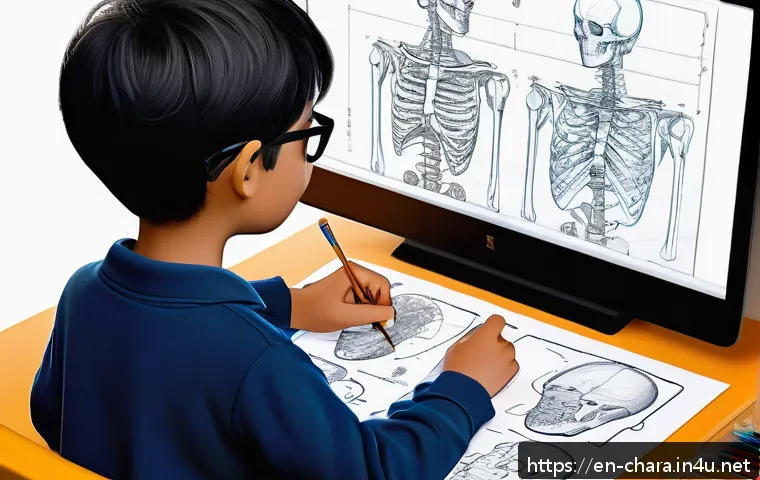
When I first started character design, the sheer complexity of human anatomy felt like an insurmountable wall. What helped me was shifting my focus from memorizing every muscle and bone to simplifying the body into basic shapes—cylinders, spheres, and boxes.
This approach made it easier to grasp how parts connect and move together. It’s like building a Lego model; once you understand the foundation, adding details becomes less intimidating.
Experimenting with these basic forms allowed me to sketch characters faster and with more confidence, even when working on dynamic poses or exaggerated styles.
Using Reference Creatively, Not Reliantly
Many artists get stuck trying to copy references exactly, which can kill creativity. I learned to treat references as a jumping-off point rather than a rulebook.
For example, if I’m struggling with hand poses, I’ll look at several photos or videos and then combine elements that fit my character’s personality and style.
This method helped me break free from stiff or generic designs and infused my characters with more life and originality. Plus, it’s a great way to avoid the trap of drawing the same character over and over again.
Practicing Gesture Drawing for Fluidity
One of the biggest breakthroughs I had was incorporating daily gesture drawing sessions. These quick sketches, often just 30 seconds to 2 minutes, force you to capture the essence and movement without worrying about details.
At first, it felt frustrating, but over time, my characters started to look more dynamic and natural. Gesture drawing helped me focus on energy and flow, which is crucial for storytelling through design.
It’s a simple habit that pays off massively in breaking through stiff, lifeless poses.
Injecting Personality into Visual Design
Using Silhouette to Convey Character Traits
A memorable character often stands out because of a unique silhouette. Early on, I overlooked this and ended up with designs that looked too similar or generic.
By focusing on creating strong, recognizable outlines, I could communicate personality traits even before adding details. For instance, a bulky, square silhouette suggests strength or stubbornness, while a slender, curved shape might evoke agility or elegance.
Playing with silhouettes not only helped differentiate my characters but also made them more readable at a glance, which is key in animation and game design.
Expressing Emotion Through Exaggerated Features
Sometimes subtlety doesn’t cut it, especially in stylized design. I found that exaggerating certain facial features or body language can dramatically enhance emotional expression.
A slightly oversized eye can make a character look more innocent or curious, while a slouched posture might immediately signal fatigue or sadness. It’s about amplifying what you want the audience to feel.
This technique requires practice to avoid going overboard, but when balanced well, it adds depth and relatability.
Color Choices That Reflect Mood and Background
Colors are powerful storytelling tools. Early mistakes I made included using colors that clashed with the character’s story or environment. Now, I think about color psychology and harmony—warm tones for energetic or passionate characters, cooler hues for calm or mysterious ones.
I also consider cultural associations and the setting’s atmosphere. Using color strategically enhances the narrative and helps the audience connect emotionally with the character.
Developing a Consistent Style Without Losing Flexibility
Experimenting Before Settling on a Style
It’s tempting to rush into a signature style, but I found that spending time experimenting with various styles—cartoonish, realistic, manga-inspired—before committing pays off.
This exploration phase helped me discover what felt natural and enjoyable while also identifying strengths and weaknesses. Sometimes, blending styles or borrowing elements from different sources creates something uniquely yours.
This process is crucial for long-term growth and prevents creative burnout.
Creating a Style Guide for Your Characters
Once I established a style, I began documenting it through a style guide. This included line weight, color palettes, proportions, and recurring design motifs.
Having a reference like this saved me tons of time and ensured consistency across multiple characters or projects. It also made it easier to delegate work or collaborate because the guide communicated the design rules clearly.
Style guides are invaluable, especially when working on series or game assets.
Allowing Room for Evolution and Growth
Even after settling on a style, I remind myself to stay open to change. Character design isn’t static; it evolves with your skills and influences. I keep a folder of old designs to track progress and sometimes revisit them to apply new techniques.
This ongoing evolution keeps my work fresh and prevents stagnation. Embracing change also builds resilience against creative blocks because you learn to see mistakes as stepping stones.
Mastering Proportions Through Layered Practice
Starting with Basic Proportional Rules
Proportions can be intimidating, but I broke them down by learning simple rules first, like the “head count” method—how many heads tall a character should be.
This gave me a framework to build on and made it easier to spot when something felt off. Using grids or guidelines initially helped me maintain balance while drawing freehand.
The key is understanding these rules as flexible tools rather than rigid laws.
Building Complexity Gradually
I used to jump into detailed anatomy too soon, which led to frustration and messy drawings. Instead, I now layer complexity—starting with stick figures, then adding volume, then muscles and clothing.
This step-by-step approach gave me time to internalize proportions and avoid overwhelm. It’s like learning a language by mastering simple phrases before tackling novels.
Patience and repetition here are game-changers.
Analyzing and Correcting Proportional Mistakes
Regularly reviewing my work and comparing it to references helped me catch common mistakes like overly long limbs or inconsistent torso length. Sometimes I ask peers for feedback or use tools like overlaying grids on my sketches.
This critical eye sharpened my sense of proportion and prevented bad habits from forming. Also, keeping a sketchbook dedicated to proportion studies became a go-to resource for practice.
Balancing Style with Practicality for Animation
Designing Characters with Movement in Mind
When I transitioned from static illustration to animation, I realized that certain design choices complicate movement. For example, overly intricate costumes or tiny details can be a nightmare to animate fluidly.
So I learned to simplify designs while preserving personality, focusing on clear shapes and avoiding clutter. This balance ensures that characters look good from every angle and remain expressive during action sequences.
Understanding the Role of Line Economy
Line economy means using as few lines as possible to convey form and expression. Initially, I was tempted to add tons of detail, but animators need clean, readable designs to work efficiently.
I started practicing minimalism—reducing unnecessary lines while maintaining character essence. This discipline improved my overall design clarity and made my characters more adaptable for various media, from comics to games.
Collaborating Effectively with Animation Teams
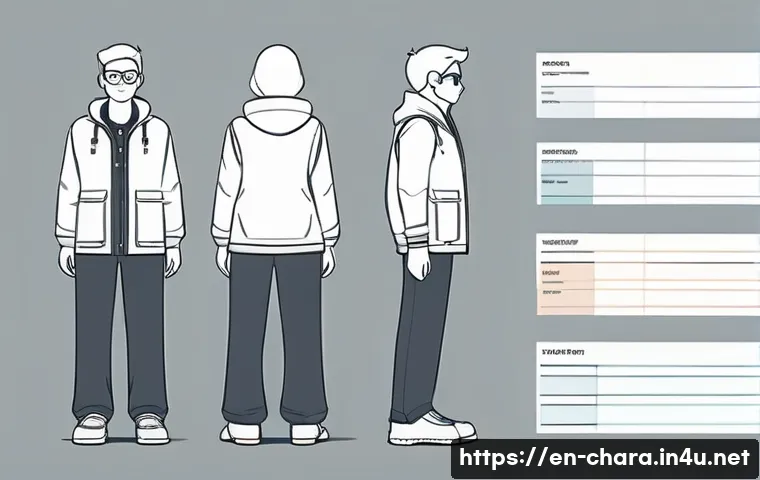
Communication is crucial when your design feeds into a larger production pipeline. I learned to provide turnaround sheets, color keys, and notes explaining movement-friendly elements.
Being proactive about understanding the animator’s needs helped me avoid revisions and built trust. Plus, seeing my characters come to life on screen was incredibly rewarding and motivated me to keep refining my approach.
Incorporating Feedback Without Losing Your Voice
Distinguishing Constructive Criticism from Noise
Not all feedback is equally helpful, and early on, I struggled to filter it. I learned to identify criticism that targets growth—like suggestions on anatomy or storytelling—versus vague or harsh comments that don’t add value.
This discernment saved me from unnecessary self-doubt and helped me focus on improving specific areas.
Iterating Designs Based on Feedback
Instead of resisting changes, I embraced iteration as part of the creative process. For example, after receiving notes about a character’s silhouette being unclear, I revisited the design and tested new shapes.
This back-and-forth refined the character and often revealed new ideas I hadn’t considered. Viewing feedback as collaboration rather than judgment transformed my mindset and results.
Maintaining Your Unique Style Amid Suggestions
It’s easy to lose your style when trying to please everyone. I keep a clear vision of what makes my work distinct and use feedback to enhance, not erase, those qualities.
Sometimes that means politely declining certain changes or finding compromises that align with my aesthetic. Staying true to your voice builds confidence and authenticity, which audiences can sense and appreciate.
Tools and Techniques That Streamline Workflow
Leveraging Digital Tools for Efficiency
Transitioning to digital art platforms like Procreate and Clip Studio Paint was a game-changer. Features like layering, undo, and custom brushes sped up my process tremendously.
I especially loved using symmetry tools for initial sketches and color palettes for consistent schemes. These tools let me focus more on creativity and less on technical hurdles.
Creating Custom Brushes and Templates
Developing my own brushes tailored to my style—whether for hair textures or fabric folds—saved tons of time and added unique flair. Templates for poses or proportions also helped me jump-start new characters without reinventing the wheel every time.
This personalized toolkit boosted my productivity and made the design process more enjoyable.
Organizing Projects for Smooth Progress
I adopted a system of folders and naming conventions that kept everything accessible and organized. For instance, separating rough sketches, line art, and colored versions prevented confusion and streamlined revisions.
This structure reduced stress and allowed me to meet deadlines confidently, which is crucial when working with clients or teams.
| Challenge | Strategy | Impact |
|---|---|---|
| Complex anatomy | Breaking down into basic shapes | Faster sketching, better understanding of form |
| Stiff poses | Daily gesture drawing practice | More dynamic, natural character movement |
| Generic designs | Focus on unique silhouettes and exaggeration | Memorable, expressive characters |
| Inconsistent style | Creating style guides and experimenting | Consistency and flexibility in design |
| Proportion errors | Layered practice and critique | Accurate and balanced characters |
| Overcomplicated animation designs | Simplification and line economy | Smoother animation workflow |
| Overwhelming feedback | Filtering and constructive iteration | Focused improvement without losing style |
| Inefficient workflow | Using digital tools and organization | Increased productivity and creativity |
글을 마치며
Character design is a journey that blends creativity with technical skill. By breaking down complex anatomy, embracing experimentation, and refining your workflow, you can create characters that truly resonate. Remember, every step forward, even the small ones, builds your confidence and unique style. Keep pushing your boundaries and enjoy the process of bringing your characters to life.
알아두면 쓸모 있는 정보
1. Simplifying anatomy into basic shapes speeds up sketching and improves understanding of form.
2. Gesture drawing daily enhances fluidity and natural movement in your characters.
3. Strong silhouettes and exaggerated features help convey personality instantly.
4. Developing and following a style guide maintains consistency across projects.
5. Using digital tools like custom brushes and organized file systems boosts productivity and creativity.
중요 사항 정리
Mastering character design requires balancing artistic expression with practical techniques. Start by simplifying complex anatomy and practicing gesture drawing to create dynamic poses. Use references creatively to maintain originality and develop a clear, consistent style through experimentation and documentation. Always design with animation and movement in mind by prioritizing simplicity and line economy. Lastly, embrace constructive feedback without compromising your unique voice, and organize your workflow efficiently using digital tools to maximize productivity and quality.
Frequently Asked Questions (FAQ) 📖
Q: How can I improve my character anatomy skills without getting overwhelmed?
A: It’s totally normal to feel overwhelmed when tackling anatomy because it’s such a detailed subject. What helped me was breaking it down into smaller, manageable parts—like focusing on just the hands one week, then the torso the next.
Using reference images and even studying real people around me made a huge difference. Also, practicing quick gesture drawings helped me capture movement and form without getting stuck on perfection.
Remember, anatomy is a skill built over time, so be patient and consistent rather than trying to master everything at once.
Q: What are some effective ways to develop a unique personality for my characters?
A: Bringing personality to your characters is where the fun really begins! I found it useful to start by writing a backstory or imagining their daily life, which naturally influences their posture, expressions, and clothing choices.
Try mixing traits from people you know or combining unexpected characteristics—it’s those little quirks that make a character stand out. Don’t be afraid to exaggerate features that reflect their personality; sometimes a bold color choice or unusual accessory can say more than a hundred words.
Observing how people behave in real life also sparks ideas that feel authentic and relatable.
Q: How do I find my own style without copying others?
A: Finding your unique style is a journey that evolves with every piece you create. Early on, it’s helpful to study a wide range of artists—not to copy, but to understand what elements you’re naturally drawn to.
Then, experiment by blending those influences with your own preferences, whether that’s in line work, color palettes, or character proportions. Over time, your style will emerge organically as a reflection of your experiences and tastes.
Personally, I noticed my style solidify when I stopped aiming for perfection and started embracing my quirks and mistakes—they often became my signature touches.