Hey fellow creatives! The world of character design is absolutely buzzing right now, isn’t it? It feels like every day there’s a new tool, a fresh trend, or an exciting artistic style shaking things up, from hyper-realistic 3D models to incredibly diverse and inclusive narratives.
Staying on top of it all can honestly feel a bit overwhelming, but I’ve learned that consistent self-development isn’t just a suggestion; it’s our superpower in this ever-evolving industry.
It’s about more than just keeping up; it’s about pushing boundaries and finding your unique voice amidst all the noise. Curious about how to make sure your skills are not just current, but future-proof?
Let’s dive in and truly discover how to thrive in this amazing field.
Navigating the Digital Canvas: Mastering Your Tools
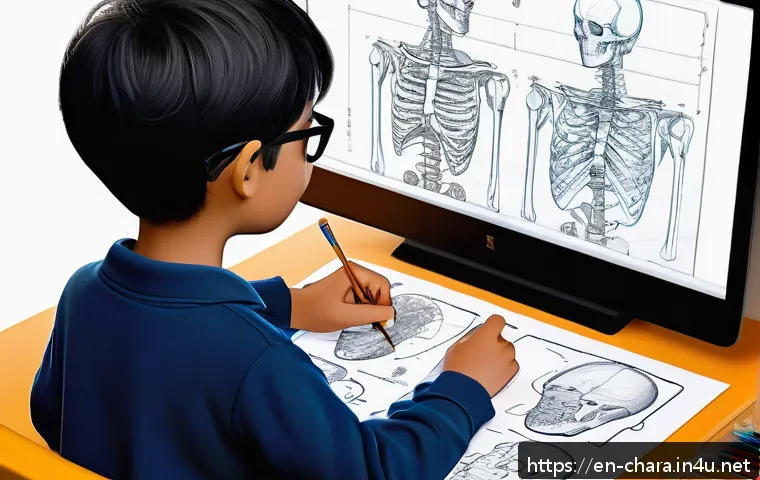
Honestly, the sheer pace at which digital tools evolve in character design can feel like trying to catch a greased pig! One minute you’re an expert in a certain software, the next there’s an update or a completely new application that everyone’s raving about. My philosophy has always been to master the fundamentals first – truly understand form, anatomy, color theory, and composition. Once you have that solid foundation, adapting to new tools becomes a whole lot easier. It’s like learning to drive; once you know the rules of the road, switching between different car models isn’t that intimidating. I’ve personally found that dedicating a few hours each week to experimenting with new features or even dabbling in a different software has kept my skills sharp and my workflow efficient. It’s not just about knowing *how* to use a tool, but understanding *why* certain tools are better suited for specific tasks. For instance, ZBrush is king for sculpting organic forms, but when it comes to hard-surface modeling or precise rigging, I’ll often jump into Blender or Maya. It’s about building a versatile toolkit, not just collecting shiny new software.
Embracing the Software Ecosystem
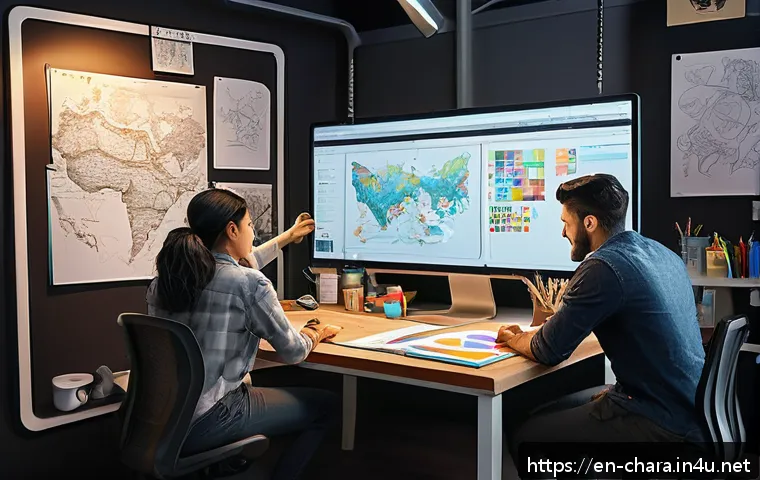
It’s so easy to get overwhelmed by the sheer number of programs out there, right? I remember starting out, feeling like I needed to know *everything*. But through years of trial and error, I’ve learned that it’s more about building a cohesive ecosystem of tools that work well together for *your* specific workflow. For me, that often means starting with a sketch in Procreate or Photoshop, moving into ZBrush for 3D sculpting, then perhaps Substance Painter for texturing, and finally rendering in Arnold or Octane. It’s not a one-size-fits-all, and what works for a hyper-realistic character might be completely different from what you’d use for a stylized cartoon character. I’ve found that knowing the strengths and weaknesses of each program helps me make smarter choices, saving me countless hours. Don’t be afraid to mix and match; sometimes the most unexpected combinations yield the best results.
Beyond the Brush: Exploring New Technologies
The landscape of character design isn’t just about traditional sculpting and painting anymore; it’s bursting with incredible new technologies! We’re talking about things like AI-powered tools that can speed up your ideation process, or even virtual reality sculpting environments that offer a completely immersive creative experience. I’ve recently been experimenting with some AI tools for initial concept generation, and while they won’t replace my creativity, they can certainly offer interesting starting points I might not have thought of otherwise. And let’s not forget the rise of real-time rendering engines like Unreal Engine and Unity. Understanding how your characters will perform in these environments, especially if you’re aiming for game development or interactive experiences, is becoming increasingly vital. It’s about staying curious and being willing to step out of your comfort zone to embrace what’s next. Who knows, the next big thing in character design might be something you discover by simply playing around with a new piece of tech!
Breathing Life into Concepts: The Art of Storytelling and Psychology
A character isn’t just a collection of pixels or polygons; they’re a vessel for a story, an embodiment of personality, and a reflection of intent. This is where I truly believe character design transcends mere technical skill. When I approach a new character, I don’t just think about what they *look* like, but who they *are*. What’s their backstory? What are their hopes, fears, and quirks? These internal elements are what truly guide my design choices. I remember a project where I was struggling to define a villain. Once I started thinking about *why* they became evil, what their motivations were, and what traumatic events shaped them, the visual design just clicked into place. Their tattered cloak suddenly told a tale of struggle, and their stern expression wasn’t just ‘mean,’ it was born from deep-seated bitterness. It’s a bit like being a detective, piecing together clues to form a complete picture, and the more nuanced that picture, the more compelling the character becomes.
Crafting Compelling Narratives for Your Characters
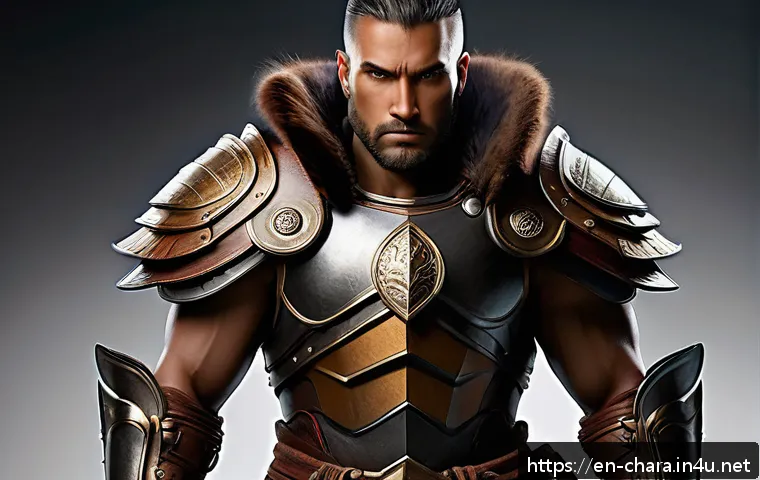
Every line, every color choice, every accessory on your character should tell a piece of their story. This isn’t just fluff; it’s how you communicate complex ideas instantly to your audience. When I’m designing, I often create a mini-biography for each character. Is this character a seasoned adventurer? Then perhaps their armor is scuffed and patched, not pristine. Do they come from a wealthy background? Their attire might feature subtle indicators of luxury, even if they’re trying to blend in. Even seemingly small details, like the type of jewelry they wear or the way their hair is styled, can speak volumes about their personality and cultural background. I’ve found that the more thought I put into the narrative *behind* the design, the easier it is for others to connect with and understand the character. It’s about designing with purpose, ensuring every visual cue serves to deepen their story.
Diving Deep into Character Psychology and Motivation
Understanding the ‘why’ behind a character’s actions and appearance is absolutely crucial. As artists, we’re essentially amateur psychologists, trying to get into the heads of our creations. What drives them? Is it love, revenge, a quest for knowledge, or simply survival? These core motivations heavily influence everything from their posture and facial expressions to their overall silhouette. I often ask myself, “How would this character react in this situation?” or “What emotion is dominant for them right now?” This mental exercise helps me imbue them with authentic emotions and reactions. For example, a character driven by fear might have a more hunched posture, wide eyes, and a tendency to keep their distance, whereas a charismatic leader would likely have an open stance and confident gaze. This deep dive into psychology helps prevent your characters from feeling generic or one-dimensional; it gives them that undeniable spark of life that makes an audience truly care.
Cultivating Your Creative Network: Collaboration is Key
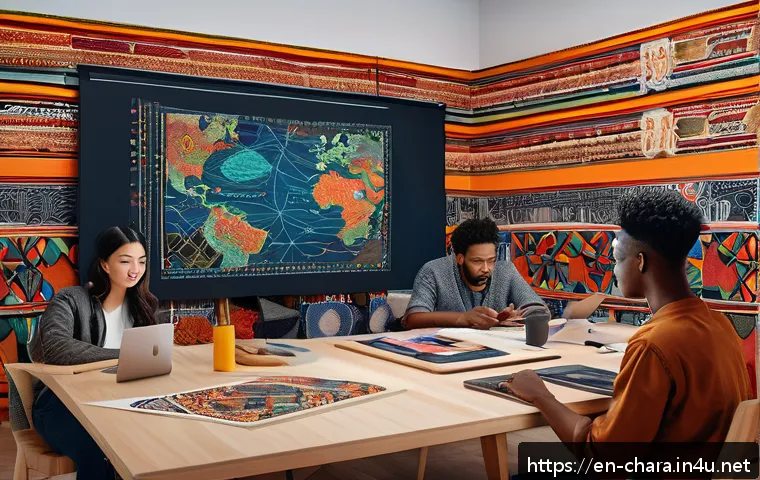
You know, for a long time, I thought being an artist meant being a lone wolf, holed up in my studio. Boy, was I wrong! The moment I started actively engaging with other artists, attending industry events, and even just commenting thoughtfully on others’ work online, my world absolutely exploded with new opportunities and insights. It’s not just about finding potential clients; it’s about sharing knowledge, getting constructive feedback, and feeling a sense of community. I’ve learned so much from informal chats with fellow designers – little tips and tricks they picked up, or even just hearing about their struggles can be incredibly validating. Remember, character design can be a competitive field, but it doesn’t have to be a cutthroat one. There’s so much to gain from lifting each other up. Sometimes, just having someone else’s perspective on a design problem you’re stuck on can be the breakthrough you need. Don’t underestimate the power of a good creative buddy!
The Power of Community: Finding Your Tribe
Finding your people, your creative tribe, is one of the most enriching experiences you can have as an artist. Whether it’s a local meetup group, an active Discord server, or a passionate online forum, these communities are invaluable. I’ve personally found incredible support and inspiration through platforms like ArtStation and even Reddit communities focused on character art. It’s a place where you can share your work without judgment (mostly!), get honest critiques that push you forward, and celebrate the successes of others. These connections can lead to unexpected collaborations, mentorship opportunities, and even friendships that last a lifetime. I’ve had moments where I was feeling totally burnt out, and just seeing the incredible work and passion from others in my network reignited my own spark. Don’t be a hermit; put yourself out there!
Smart Collaborations: Expanding Your Reach and Skills
Collaborating with other artists or professionals isn’t just about sharing the workload; it’s a phenomenal way to expand your skillset and reach a wider audience. I’ve had the pleasure of working with animators, writers, and even game developers on various projects, and each experience taught me something new. When you collaborate, you’re not just bringing your character design expertise to the table; you’re also learning how your work integrates into a larger pipeline. This understanding is invaluable, especially if you’re aiming for studio work or larger commercial projects. Think about it: a character you design could be brought to life by an animator, have a voice by an actor, or become playable in a game by a developer. These partnerships amplify your portfolio and demonstrate your ability to work as part of a team. Plus, it’s a fantastic way to expose your art to a new audience that might not have found you otherwise. Always look for opportunities to create something bigger than yourself!
Turning Passion into Profit: Strategic Monetization
Let’s be real, while we all love the art, paying the bills is a necessary part of the equation! Turning your character design passion into a sustainable career requires more than just amazing art; it demands smart business strategies. I’ve spent years figuring out what works and what doesn’t, and I can tell you, diversifying your income streams is absolutely paramount. Relying on a single client or a single type of project is a recipe for stress and instability. Think about all the different avenues your character design skills can take you: freelance commissions, selling assets, creating tutorials, or even developing your own IP. I’ve had periods where freelance work was booming, and others where passive income from asset sales really carried me through. It’s about building a robust financial foundation that allows you to continue creating the art you love without constantly worrying about where the next paycheck is coming from. And remember, understanding the business side, even if it feels less ‘artistic,’ is a critical skill for any successful creative.
Diversifying Your Income Streams as a Character Designer
The beauty of character design is its versatility, and you should absolutely leverage that for your income! Beyond traditional client commissions, have you considered creating and selling character asset packs on marketplaces like Gumroad or ArtStation Marketplace? Or maybe designing custom brushes or textures that other artists can use? I’ve found that even small, consistent passive income streams can add up significantly over time. Another fantastic avenue is teaching. Whether it’s through online courses on platforms like Skillshare or Domestika, or even live workshops, sharing your knowledge can be incredibly rewarding both personally and financially. Don’t forget about merchandise either! Your unique characters could look amazing on t-shirts, prints, or even enamel pins. The key is to think broadly and explore all the ways your creativity can generate value. Here’s a quick look at some common monetization avenues I’ve explored:
| Monetization Avenue | Description | Pros | Cons |
|---|---|---|---|
| Freelance Client Work | Custom character designs for individuals or companies. | High pay per project, direct client interaction. | Inconsistent workflow, client revisions. |
| Selling Digital Assets | Character models, texture packs, brushes on marketplaces. | Passive income potential, broad reach. | Requires initial time investment, market saturation. |
| Online Courses/Tutorials | Teaching character design techniques to students. | Authority building, recurring income. | Significant upfront effort, requires teaching skills. |
| Merchandise (Prints, etc.) | Selling physical goods featuring your characters. | Tangible products, fan engagement. | Inventory management, shipping logistics. |
| Patreon/Crowdfunding | Subscription-based support from fans for exclusive content. | Direct community support, creative freedom. | Requires consistent content, community building. |
Understanding Licensing and Intellectual Property
This is one area that often gets overlooked, but it’s absolutely critical: protecting your work and understanding how to license it. Your characters are your intellectual property, and knowing how to navigate copyright and usage rights is paramount. I’ve learned the hard way that a clear contract specifying usage, duration, and exclusivity is your best friend when working with clients. Are they buying the full rights to your character, or just a license to use it for a specific project? The difference can be huge for your long-term earnings. I’ve personally registered some of my unique character designs, especially those I plan to develop into my own IP, to ensure I have legal backing. Don’t be afraid to consult with legal professionals if you’re dealing with complex licensing agreements. Understanding these nuances not only protects you but also allows you to strategize better for future income, perhaps by licensing your characters for multiple uses over time.
The Unending Journey: Self-Critique and Growth Mindset
One of the hardest pills to swallow as an artist, but perhaps the most potent for growth, is learning to objectively critique your own work. It’s not about beating yourself up; it’s about having a discerning eye and constantly asking, “How can this be better?” I remember a character design early in my career that I thought was revolutionary. Looking back now, I cringe a little! But that cringe is a good thing – it shows how much I’ve grown. Developing a growth mindset means viewing every challenge not as a failure, but as an opportunity to learn and improve. It’s about being open to feedback, even when it’s tough to hear, and understanding that the path to mastery is a marathon, not a sprint. This continuous introspection is what elevates good artists to great ones. I try to make it a habit to step away from a piece for a day or two and then come back to it with fresh eyes; you’d be surprised what details jump out at you.
Honest Self-Assessment: Refining Your Vision
Honestly assessing your own art can be brutal, but it’s essential for refining your vision and pushing your boundaries. When I’m working on a character, I often create a checklist for myself: Does the silhouette read well? Is the color palette harmonious and does it support the character’s personality? Are the proportions consistent and believable for the style I’m aiming for? I’ve found that having specific criteria helps me move beyond just a vague feeling of “something’s off” to identifying concrete areas for improvement. Sometimes, it’s as simple as flipping the canvas horizontally to see your work with a new perspective, revealing imbalances you might have missed. Other times, it means completely scrapping an element and starting fresh, which can be frustrating but ultimately leads to a stronger design. This isn’t about perfectionism; it’s about striving for excellence through deliberate practice and critical thinking.
Learning from Every Project: Embracing Iteration
Every single character design project, whether it’s a personal piece or a client commission, is an opportunity to learn. I genuinely believe that. Even the projects that feel like a struggle, where you hit creative roadblocks, often teach you the most valuable lessons about problem-solving and resilience. Embracing iteration is key here. Don’t be afraid to create multiple versions of a character, exploring different outfits, hairstyles, or even entire poses. I often start with a dozen or more rough thumbnails before settling on a few to refine. Each iteration brings you closer to that ‘aha!’ moment. It’s a process of elimination and refinement, and it helps you understand why certain choices work better than others. Think of it as an ongoing experiment; each project is a chance to test new ideas, techniques, and approaches, adding another valuable entry to your personal artist’s playbook. Don’t view a ‘failed’ iteration as wasted effort; see it as a stepping stone to your next success.
Carving Your Niche: Authenticity in a Saturated Market

The character design world is vibrant and full of incredible talent, which is amazing, but it can also feel incredibly crowded. When I first started, I spent too much time trying to emulate artists I admired, thinking that was the path to success. What I eventually realized, after a lot of frustrating attempts to fit into someone else’s mold, is that my greatest asset is my own unique voice. It sounds cliché, but it’s profoundly true. Finding your niche isn’t just about specializing in, say, sci-fi characters or cute animal designs; it’s about infusing your personality, your experiences, and your unique perspective into every single creation. It’s about developing a style that is undeniably *you*. This authenticity is what truly resonates with people and helps you stand out from the crowd. I’ve found that the more genuine I am in my art, the more passionate and loyal my audience becomes. Don’t be afraid to show who you are through your characters!
Discovering Your Unique Artistic Voice
So, how do you find that elusive “unique artistic voice”? For me, it was a process of relentless experimentation and self-reflection. I experimented with different styles, mediums, and themes, always paying attention to what felt most natural and exciting to me. What stories did I genuinely want to tell? What emotions did I want to evoke? I also looked at my personal interests outside of art – my love for classic literature, my fascination with mythology, even my quirky sense of humor – and found ways to weave those elements into my character designs. Your unique voice isn’t something you *find* in a tutorial; it’s something you *cultivate* through introspection and consistent practice. It’s about being brave enough to create what truly excites *you*, rather than what you think others want to see. When your art comes from an authentic place, it shines through and attracts people who connect with that sincerity.
Building a Recognizable Brand as a Character Designer
Once you start discovering your unique voice, the next step is building a recognizable brand around it. And I’m not just talking about a logo! Your brand encompasses your consistent visual style, your messaging, your professional demeanor, and how you present yourself across all platforms. Think about your favorite artists – you can often recognize their work instantly, even without seeing their name, right? That’s strong branding. For character designers, this means maintaining a cohesive portfolio that showcases your distinct style, being active and engaging on platforms where your target audience hangs out, and ensuring your online presence reflects your artistic identity. I’ve found that having a clear brand message helps potential clients and collaborators understand exactly what you bring to the table and why they should choose *you*. It’s about being memorable, professional, and consistently delivering high-quality work that aligns with your unique artistic vision.
Anticipating Tomorrow: Future-Proofing Your Craft
The character design industry is a constant whirlwind of innovation, and frankly, trying to predict the future can feel a bit like reading tea leaves! However, one thing I’ve learned is that an adaptability mindset is your ultimate superpower. Future-proofing your skills isn’t about knowing *exactly* what software will be dominant next year, but about developing the underlying competencies that allow you to quickly pivot and embrace new trends. It’s about building a solid artistic foundation, cultivating a robust problem-solving ability, and most importantly, maintaining an insatiable curiosity. I always keep an eye on industry news, attend virtual conferences, and follow leading artists and studios. It’s not about chasing every fad, but understanding the trajectory of the industry so you can strategically invest your time in learning skills that will remain relevant. The goal isn’t just to keep up; it’s to be a step ahead, ready to integrate the next big thing into your unique workflow.
Spotting Emerging Trends and Adapting
Keeping an eye on emerging trends is crucial, not just for staying relevant, but for finding new creative opportunities. This isn’t just about art styles; it’s about technological advancements, changing audience preferences, and even shifts in narrative focus. For example, the increasing demand for diverse and inclusive character representation isn’t just a trend; it’s a fundamental shift in the industry that character designers need to understand and champion. I often spend time browsing art communities, attending industry webinars, and even just observing what kind of characters are popular in new games or animated series. It helps me understand where the market is heading. However, spotting trends is only half the battle; the real skill lies in adapting them to your own unique style without losing your artistic integrity. It’s about taking inspiration and making it your own, rather than just copying what everyone else is doing.
Investing in Continuous Skill Development
In our field, learning doesn’t stop when you graduate or land your first big client; it’s a lifelong endeavor. Continuous skill development is the fuel that keeps your creative engine running. I’m a huge advocate for dedicating regular time to deliberate practice, even if it’s just 30 minutes a day. This could be anything from studying anatomy, experimenting with new texturing techniques, or diving into a course on advanced rigging. I’ve personally invested in numerous online courses and workshops over the years, and each one has provided a fresh perspective or a valuable tool for my arsenal. It’s not just about acquiring new technical skills, but also refining your observational skills, your storytelling abilities, and your critical eye. The industry never stands still, and neither should your pursuit of knowledge. Always be learning, always be growing, and your characters will reflect that journey of constant improvement.
Concluding Thoughts
Whew! What a journey we’ve been on, right? It’s truly incredible to think about all the facets of character design, from the sheer joy of bringing a concept to life with your tools, to the deep satisfaction of seeing your creations connect with an audience. Remember, this path is less about reaching a final destination and more about continuously evolving, embracing new challenges, and finding joy in every brushstroke, every polygon, and every narrative twist. It’s a marathon, not a sprint, and every step, every learning curve, makes you a stronger, more versatile artist. Keep that spark of curiosity alive, and never stop creating!
Useful Information to Know
1. Master Your Fundamentals First: Before diving into every new software or technique, ensure you have a strong grasp of core artistic principles like anatomy, color theory, and composition. These timeless skills will make adapting to any new tool significantly easier and more intuitive, saving you countless hours in the long run.
2. Build a Cohesive Tool Eco
3. Storytelling is Your Superpower: Your characters are more than just visuals; they are vessels for stories and emotions. Invest time in developing their backstories, motivations, and personalities. This narrative depth is what truly resonates with an audience and elevates your designs from mere images to memorable figures.
4. Diversify Your Income Streams: Relying solely on one type of work can be precarious. Explore various avenues like freelance commissions, selling digital assets, creating online courses, or even developing merchandise. A diversified income portfolio provides stability and allows you to pursue your artistic passions without constant financial worry.
5. Cultivate a Growth Mindset and Community: The art world is constantly evolving. Be open to self-critique, embrace feedback, and actively engage with other artists. Your creative community is an invaluable source of support, inspiration, and collaboration, and a willingness to continuously learn and adapt is key to long-term success.
Key Takeaways
Ultimately, navigating the exciting world of character design is about blending artistic passion with strategic thinking. It’s about more than just technical skill; it’s about infusing your creations with compelling stories, understanding the psychology that drives them, and actively building connections within the creative community. Remember to diversify your skills and income, always seek to learn and improve, and most importantly, allow your unique voice to shine through in every character you craft. This continuous journey of self-discovery and adaptation is what will not only make you a successful artist but a truly impactful storyteller.
Frequently Asked Questions (FAQ) 📖
Q: How can character designers truly stay ahead when new tools, trends, and artistic styles seem to pop up almost every single day?
A: Oh, tell me about it! It sometimes feels like you need to have ten pairs of eyes and hands just to keep up, doesn’t it? From my own journey, and trust me, I’ve had my fair share of “panic scrolling” through new artstation posts, the real secret isn’t about mastering every single new trend or software that comes out.
That’s a recipe for burnout! What I’ve found incredibly effective is a two-pronged approach. First, solidify your fundamentals.
I mean, really get to know anatomy, color theory, composition, and storytelling. These are the bedrock, and they don’t change, no matter how wild the trends get.
When you have a strong foundation, you can adapt to any new style or tool much, much faster. Second, be selective with your learning. Instead of trying to jump on every bandwagon, pick one or two new techniques or software that genuinely excite you or align with where you see your style going.
For instance, I remember when AI art started gaining traction; instead of feeling threatened, I played around with it, understanding its capabilities and limitations, and even found ways to incorporate it into my ideation process, saving me hours!
It’s about curiosity, not anxiety. And honestly, regularly engaging with online communities – whether it’s Discord servers, Reddit, or even just commenting on other artists’ work – keeps you naturally informed and inspired without feeling like homework.
Q: With so many incredible artists out there, how can I actually develop a unique voice and style that genuinely stands out?
A: This is probably the question I get asked most often, and it’s a deeply personal one! It’s easy to look at artists you admire and think, “I want to draw just like that,” but my experience has shown me that true uniqueness comes from looking inward and outward simultaneously, beyond just other artists.
Think about it: what are your unique quirks? What experiences have shaped your perspective? My own style started to truly emerge when I stopped trying to emulate my heroes and began consciously blending my love for classic animation, my fascination with obscure folklore, and even my slightly sarcastic sense of humor into my characters.
It felt awkward at first, like trying on clothes that don’t quite fit, but with consistent practice and allowing myself to experiment wildly (even if the results were just for my eyes!), those elements started to click.
Don’t be afraid to draw inspiration from unconventional sources – music, nature, old architecture, your grandma’s quirky tea set! The more diverse your influences, and the more you filter them through your own personality, the less likely you are to look exactly like everyone else.
It’s like cooking; everyone uses similar ingredients, but your unique blend of spices and techniques is what makes your dish unforgettable.
Q: Beyond just the technical drawing skills, what are some often-overlooked “superpowers” that can help a character designer truly thrive in today’s industry?
A: Oh, this is a fantastic question, because honestly, drawing is just one piece of the puzzle! If I had to pick three “superpowers” I’ve seen make the biggest difference in people’s careers – and certainly in my own – they’d be storytelling, empathy, and effective communication.
First, storytelling: A character isn’t just a pretty picture; they’re a vessel for a narrative. Can you convey their personality, their history, their potential future through their pose, their expression, their costume choices?
When I started actively thinking about “what story is this character telling?”, my designs became so much richer and more impactful. Second, empathy: This might sound a bit touchy-feely, but understanding human emotions, motivations, and the nuances of non-verbal communication is critical for creating characters that resonate.
It’s not just about drawing a “happy” face; it’s about drawing your character’s specific kind of happy, informed by their unique backstory. And finally, effective communication: Whether it’s presenting your ideas to a client, collaborating with a team, or even just explaining your design choices in a portfolio, being able to articulate your vision clearly and professionally is huge.
I remember once struggling to explain a design concept, and it nearly cost me a project. Learning how to translate my visual ideas into compelling words transformed my interactions and helped clients truly “get” my vision.
These aren’t skills you learn just by sketching; they’re developed by engaging with the world, reading, observing, and truly listening. They’re your secret weapons!