The best YouTube channel for learning character design is one that matches your current drawing level, preferred style, and digital art software. Beginners usually need fundamentals and clear exercises, while portfolio-focused artists benefit more from project breakdowns, critique, or structured learning paths.

YouTube playlists can make free learning feel more organized when lessons build from one topic to the next. Still, a well-made video is not automatically a complete curriculum, and watching without practice rarely creates lasting improvement.
Before paying for a drawing course, art-learning subscription, or portfolio mentorship, compare lesson structure, software requirements, feedback access, and the total cost.
The most useful resource is the one you can apply consistently to original character projects.
At a Glance
- Beginners: Choose channels with drawing fundamentals, anatomy explanations, simple shape language, and repeatable exercises.
- Intermediate artists: Look for lessons on costume design, storytelling, color choices, visual iteration, and design reasoning.
- Portfolio-focused learners: Use free tutorials for practice, then compare structured courses or critique-based learning if you need clearer project direction.
| Learning Option | Best For | What to Check Before Choosing |
|---|---|---|
| YouTube tutorial channels | Exploring specific skills and practicing at your own pace | Playlists, clear explanations, exercises, and whether the lessons fit your art level |
| Structured online courses | Artists who want a more complete topic sequence | Lesson depth, software requirements, pricing structure, and whether projects are included |
| Digital art software lessons | Artists learning a particular workflow or toolset | Whether the tutorial uses the same software or similar features to your own setup |
| Critique or mentorship programs | Artists who need feedback on original work and portfolio direction | Feedback access, critique format, course structure, total cost, and expectations |
What Makes a YouTube Channel Useful for Learning Character Design?
A useful character design channel does more than show a polished final image. It explains why visual choices were made: why a silhouette is broad or narrow, why a costume supports the character’s role, or why a color choice helps the design read clearly. Character design commonly brings together anatomy, shape language, costume design, color, storytelling, and visual iteration, so the strongest lessons connect these parts instead of treating them as isolated tricks.
Look for Lessons That Explain Decisions, Not Just Speedpaints
Speedpaints can be enjoyable, but they are often difficult to study if the artist does not explain the decisions behind the process. Look for tutorials that pause to discuss proportion, pose, shape contrast, costume function, or storytelling. A lesson becomes more useful when you can identify a decision and test it in your own design.
Warning sign: If a video moves quickly from blank canvas to finished illustration without showing how ideas were selected or revised, it may be better for inspiration than practice.
Prioritize Repeatable Exercises and Project-Based Practice
Choose channels that give you something practical to do after watching. This could be creating several silhouettes from one character prompt, exploring different clothing options, or redesigning a pose to communicate a personality trait. Repeatable exercises make a tutorial useful beyond one drawing session.
A portfolio improves more reliably when you create original projects rather than only copying tutorial exercises. Use a lesson as a starting point, then change the character role, setting, costume purpose, and visual direction.
Check Whether the Teaching Style Fits Your Current Skill Level
Beginners may need slow explanations of construction, proportion, and simple forms. More experienced artists may prefer breakdowns of visual storytelling, world-building, or iteration. A channel can be excellent and still be the wrong fit if it assumes skills you have not practiced yet. Start with a few lessons and ask whether you can complete the exercise without feeling lost or simply tracing the instructor’s choices.
Compare Channel Types Before You Start Watching
Beginner Drawing Fundamentals and Anatomy-Focused Lessons
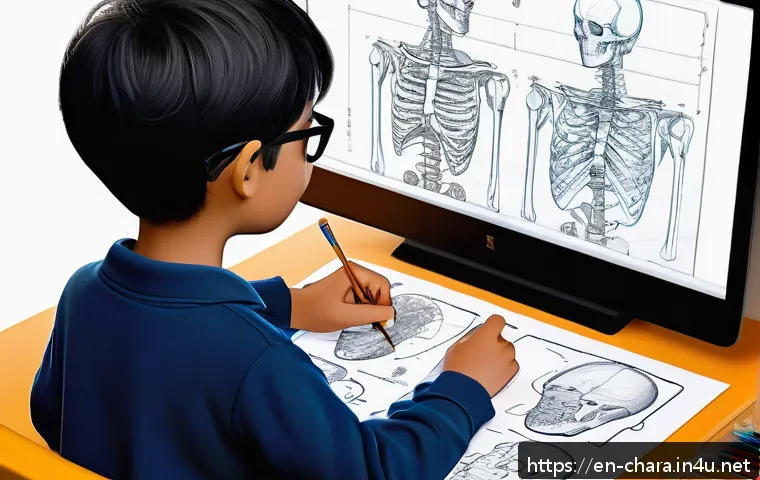
Fundamentals-focused channels are often the best starting point for artists who are still building drawing confidence. Look for lessons that connect anatomy to character design rather than presenting anatomy as a separate subject. For example, proportion and pose can affect whether a character feels energetic, calm, imposing, or playful.
Do not rush past these lessons because you want to design finished characters immediately. Strong design ideas are easier to communicate when you can draw simple forms, faces, poses, and clothing with reasonable control.
Style, Storytelling, Costume, and World-Building Lessons
Once basic drawing practice is underway, focus on channels that explain how characters communicate a role or story. Costume design is more useful when it relates to the character’s environment, purpose, and personality. Shape language works best when it supports the same idea rather than becoming a random collection of sharp, round, or blocky forms.
Use these videos to study design relationships. A character’s pose, colors, clothing, and silhouette should feel connected. If you only collect surface details, your work can become busy without becoming clearer.
Software-Specific Workflow Channels for Digital Artists
Many digital art tutorials demonstrate workflows in specific software. This matters because brush tools, layer systems, selection tools, and interface steps may not transfer exactly to another program. Before following a digital painting or rendering workflow, check whether the instructor uses your preferred software or whether the lesson teaches principles you can adapt.
Software lessons can help you work more efficiently, but they should support your design practice rather than replace it. A new brush set or digital drawing software feature cannot decide a character’s silhouette, story, or visual hierarchy for you.
Free Tutorials Versus Paid Courses and Mentorship: Value Considerations
Free YouTube videos can explain techniques very well, especially when playlists provide a useful sequence. Their limits are that they may not form a complete curriculum and usually do not include individual feedback. A paid drawing course, art-learning subscription, or portfolio mentorship may offer more structure, deeper lessons, or critique access, but these features vary.
Before paying, identify the problem you are trying to solve. If you need a lesson on drawing hands or designing costumes, free videos may be enough. If you repeatedly finish projects without knowing what to improve, a course with clear assignments or a critique service may be worth considering. Paid instruction does not guarantee a job, client work, or a stronger portfolio outcome.
Build a Character Design Study Plan From Free Videos
Free lessons work better when you turn them into a sequence instead of jumping between unrelated topics. Use playlists where possible, then give each topic a small practice goal. The aim is not to consume every tutorial; it is to build a repeatable study habit.
Start With Silhouettes, Proportions, and Shape Language
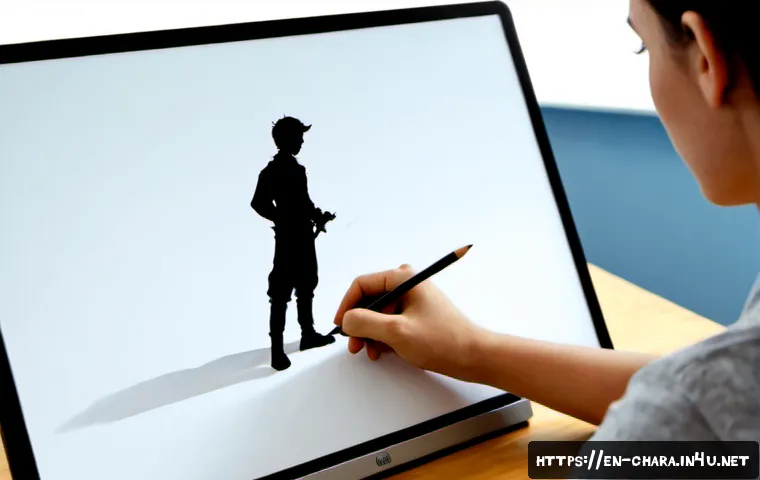
Begin with simple character thumbnails. Create several silhouettes before choosing details. Test broad, narrow, angular, rounded, tall, or compact shapes, then ask what each option suggests about the character. After choosing a direction, practice proportions and basic pose construction.
Keep this stage simple. If a character does not read clearly as a silhouette, adding accessories and rendering may hide the issue instead of solving it.
Practice Faces, Poses, Clothing, and Color With Focused Exercises
Study one area at a time. A face exercise can focus on expression and personality. A pose exercise can focus on gesture and balance. A clothing exercise can explore how garments support a character’s role. A color exercise can test whether the palette creates a readable focal point.
Focused practice makes it easier to notice what changed. Avoid changing every element at once, especially when you are still learning how design choices affect one another.
Turn One Tutorial Topic Into an Original Character Project
After a tutorial, create an original brief for yourself. Decide who the character is, what they do, where they belong, and what visual information the viewer should notice first. Then apply the lesson without copying the instructor’s finished design.

This is where tutorial knowledge becomes portfolio practice. Save thumbnails, alternate costumes, color tests, and revisions. Visual iteration shows you how one concept can improve through comparison rather than through a single first attempt.
Common Mistakes When Learning From Art Videos
Watching More Tutorials Than You Apply
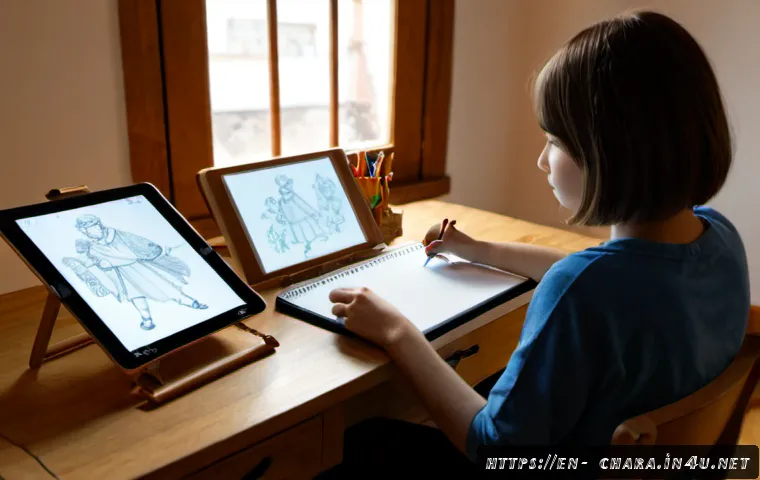
Watching art content can feel productive because you are surrounded by useful ideas. But improvement requires drawing, revising, and noticing where your choices did not work. Try to pair each lesson with a small exercise or a section of an original project.
Copying a Finished Design Without Understanding the Choices Behind It
Copying can help you observe technique, but it should not be the final stage of study. Ask why the artist selected a certain silhouette, costume shape, pose, or color relationship. Then create a different version that uses the same principle for a new character.
Switching Styles, Brushes, or Software Too Often
Exploration is useful, but constant switching can interrupt deliberate practice. Choose one lesson topic and one manageable workflow long enough to learn what you are doing. If you later change software or brushes, bring your fundamental practice with you.
Treating Expensive Tools as a Substitute for Fundamentals
Digital art software, drawing courses, and art-learning subscriptions can be useful purchases when they solve a specific need. They are not substitutes for proportion practice, shape design, storytelling, and iteration. Start by identifying the skill gap, then select the tool or resource that directly addresses it.
Choose Resources Based on Your Goal
For Complete Beginners Building Drawing Confidence
Start with channels that teach basic forms, proportions, simple anatomy, faces, and poses. Prefer instructors who give short exercises and explain common choices clearly. Build a small routine around one playlist instead of sampling unrelated videos every day.
For Digital Artists Improving Visual Storytelling
Look for character design tutorials that connect shape language, costume design, color, and environment. Your goal is not only to make a polished image. It is to make the character’s role, personality, and world easier to understand at a glance.
For Artists Creating a Portfolio for School, Freelance Work, or Studio Applications
Prioritize original character projects with visible development. Show that you can explore ideas, make choices, and revise them. Free YouTube art channels can support this work, but project planning and feedback may become more important than collecting another isolated technique.
When Critique, a Structured Course, or Mentorship May Add Value
Consider a structured course or portfolio mentorship when you need accountability, a more connected lesson path, or feedback on work you have already been practicing. Check whether critique is actually included, how feedback is delivered, what software is expected, and whether the course content matches your goal. Compare course structure, feedback access, and total cost before enrolling.
Selection Criteria and Comparison Summary
Use this checklist before subscribing to a channel, joining an art-learning membership, or buying a character design course:
- Skill fit: Does the lesson match your current ability without skipping essential foundations?
- Teaching clarity: Does the instructor explain decisions, not only demonstrate a fast workflow?
- Practice value: Can you turn the lesson into a repeatable exercise or original project?
- Software compatibility: Does the workflow fit your digital art software, or can the main idea transfer?
- Feedback needs: Are you looking for information, a curriculum, or critique on your own work?
- Budget and time: Can you realistically use the course or mentorship enough to justify its cost?
Start with free instruction and deliberate practice when possible. If you are comparing paid options, review the official course or mentorship page for lesson details, feedback terms, software requirements, and current pricing before making a decision.
In Closing
The best YouTube channels for character design are not necessarily the most entertaining or visually polished. They are the channels that help you understand decisions and give you practice you can repeat. Build your learning around a small number of relevant playlists, then use those lessons to create original characters. Upgrade to a course, subscription, or mentorship only when it addresses a clear gap in your learning process.
Useful Things to Know
Playlists matter: They can turn separate YouTube videos into a more logical topic sequence.
Software matters: A workflow demonstration may be less useful if it depends heavily on tools you do not use.
Original projects matter: Reworking tutorial principles into your own characters is more useful for portfolio development than copying a finished example.
Important Considerations
No YouTube channel is objectively best for every learner, art style, pace, or software setup. Course fees, membership pricing, upload schedules, lesson availability, and critique terms can change, so confirm current details directly with the provider. Paid instruction may offer structure or feedback, but it cannot guarantee portfolio, employment, freelance, or client outcomes.
Frequently Asked Questions
Q1. What should beginners look for in a character design YouTube channel?
A1. Beginners should look for clear lessons on basic drawing fundamentals, proportions, simple anatomy, faces, poses, and shape language. Channels with playlists and repeatable exercises are often easier to follow than isolated advanced demonstrations.
Q2. Are free YouTube character design tutorials enough to build a portfolio?
A2. Free tutorials can teach useful techniques and workflows, but a portfolio is more likely to improve when you use those lessons to create original projects. You may need additional structure or feedback if you struggle to plan, revise, or evaluate your work independently.
Q3. When is a paid character design course or mentorship worth the cost?
A3. It may be worth considering when you need a more complete curriculum, project structure, or direct critique that free videos do not provide. Compare the lesson depth, feedback access, software requirements, pricing structure, and total cost before enrolling.