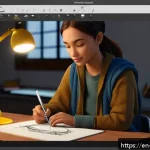
Alright, fellow creatives! You’ve got an incredible talent for bringing characters to life, and trust me, there’s a huge audience out there eager to see your work and learn your secrets.
But how do you go from sketching amazing designs to running a blog that truly shines and pulls in a crowd? It’s more than just uploading your portfolio; it’s about sharing your unique journey, inspiring others, and crafting a space where your passion for character design can truly flourish.
I’ve spent years navigating the ins and outs of building an online presence in this niche, discovering firsthand what truly makes a blog not just good, but *unforgettable*.
Ready to unlock the full potential of your character design blog? Let’s dive into exactly how you can make it happen!
Cultivating Your Signature Style: Beyond Just Drawing

You know, when I first started out, I thought having a killer portfolio was all it took. And while great art is undeniably the bedrock, what truly sets a character design blog apart isn’t just the technical skill; it’s the personality behind the pixels. People don’t just want to see pretty pictures; they want to connect with the artist, understand their journey, and be inspired by their unique vision. This isn’t just about showing off your latest commission; it’s about sharing your design philosophy, your inspirations, and even the messy bits of your creative process. I’ve personally found that when I opened up about my struggles or the unexpected directions a character took, my audience engagement absolutely soared. It builds trust, and trust, my friends, is currency in the online world. Think about it: what makes your approach to character design distinctly you? Is it your quirky sense of humor, your deep dives into historical costume, or your knack for storytelling through subtle expressions? Identifying and consistently weaving that into your content is paramount. It’s what makes visitors linger, come back, and ultimately, become loyal fans and potential clients. This isn’t just about art; it’s about building a brand around you.
Finding Your Niche within Character Design
Character design is a vast ocean, isn’t it? From whimsical cartoon critters to gritty sci-fi heroes, the possibilities are endless. When I began, I tried to be everything to everyone, which, as you can imagine, spread me thin and confused my audience. My biggest breakthrough came when I realized I deeply loved designing characters for narrative-driven games and animated series. Once I honed in on that, my content became sharper, more focused, and attracted exactly the kind of audience I was hoping for. Don’t be afraid to specialize! Do you adore designing fantasy creatures? Are you passionate about diverse and inclusive character representation? Perhaps you’re brilliant at designing memorable villains. Whatever your unique angle, lean into it. Research what other artists in your specific sub-niche are doing, but always, always, add your personal twist. This isn’t about copying; it’s about finding your specific corner of the character design world where your voice can resonate most clearly. Your blog will thrive when it has a clear identity.
Developing a Consistent Visual and Verbal Brand
Once you’ve nailed down your niche, the next step is ensuring your blog visually and verbally screams “YOU!” I’ve learned firsthand that consistency is key. This isn’t just about your art style, but the overall aesthetic of your blog, the colors you use, the fonts, and even the tone of your writing. For instance, if your characters are whimsical and bright, your blog’s design and writing shouldn’t be dark and overly serious. Your voice in your blog posts should mirror the spirit of your art. Are you playful and encouraging? Or are you more analytical and instructional? I always make sure my blog’s header, my social media banners, and even the way I sign off my newsletters all align. This cohesive branding builds instant recognition and trust. When someone lands on your blog, they should immediately get a feel for who you are and what you’re all about. It’s like designing a character; every element serves to communicate their essence. Treat your blog the same way, as another character you’re bringing to life!
Crafting Irresistible Content: Storytelling Beyond the Canvas
Let’s be real, stunning visuals are what initially grab attention, but it’s the stories you tell around them that truly keep people hooked. I’ve noticed a huge difference in engagement between a simple “here’s my latest piece” post and one that delves into the character’s backstory, their personality quirks, or the narrative challenges I faced bringing them to life. People crave connection, and by sharing the ‘why’ behind your ‘what,’ you invite them into your creative world. Think about your favorite characters from movies or games; it’s not just their design, but their journey and personality that make them memorable. Your blog posts should do the same for your creations. I love to brainstorm intriguing questions about my characters, like “What’s their biggest fear?” or “What’s a secret they’d never tell anyone?” and then weave those answers into my writing. This adds layers of depth that resonate with readers, turning passive viewers into active participants in your creative universe. It’s about building a narrative that extends beyond the initial sketch.
Deep Dives into Character Backstories and Lore
When you design a character, you’re not just creating a visual; you’re building a whole world for them, even if it’s just in your head. Sharing snippets of this world and the character’s personal history can be incredibly engaging. I remember designing a steampunk explorer once, and instead of just showing the finished art, I wrote a post about her childhood growing up in a grimy industrial city, her dreams of seeing uncharted lands, and the tiny trinkets she carried that told a story. My audience went wild! They loved piecing together her past and imagining her future adventures. Think about the ‘lore’ you’ve created for your characters, even if it’s informal. What defines them? What events shaped them? Share the journey, not just the destination. This not only makes your characters more relatable but also provides tons of content ideas. You could even do a ‘day in the life’ post for one of your characters, adding a fun, immersive touch that people genuinely enjoy.
Sharing Your Creative Process and Techniques
One of the absolute biggest draws for my blog, and something I hear feedback on constantly, is when I pull back the curtain and show my process. Aspiring artists, and even seasoned pros, are always eager to peek into how others create. Don’t just show the finished product; walk your readers through your journey from concept to completion. This means sharing your rough sketches, your mood boards, your early color palettes, and even the mistakes you made along the way. I often do time-lapse videos or step-by-step breakdowns of how I tackled a particularly challenging aspect of a character design, like getting the folds of a cape just right or making a fantastical creature feel grounded. This not only demonstrates your expertise but also makes your content incredibly valuable and educational, which keeps people coming back. It’s about being generous with your knowledge, and trust me, that generosity is always rewarded with loyalty and engagement.
Strategic Exposure: Getting Your Art in Front of Fresh Eyes
Having amazing content is one thing, but if nobody sees it, it’s like creating a masterpiece and hiding it in your attic. This is where strategic promotion and understanding how to get discovered really comes into play. You need to be where your audience hangs out, both online and sometimes even offline. I’ve learned that a multi-pronged approach is always best; relying on just one platform is a recipe for anxiety. Diversifying your promotion efforts not only broadens your reach but also makes your blog more resilient to changes in social media algorithms. This isn’t just about blindly sharing; it’s about understanding the nuances of each platform and tailoring your approach. For instance, what works beautifully on Instagram with its visual focus might need a different angle for a more text-heavy platform like X (formerly Twitter). The goal is to funnel interested individuals back to your blog, where they can dive deeper into your world and spend more time with your amazing creations. Building a steady stream of new visitors is crucial for consistent growth.
Leveraging Social Media Platforms Effectively
Social media is a beast, right? It can feel overwhelming, but it’s an indispensable tool for character designers. I’ve personally seen huge spikes in my blog traffic when I consistently shared process videos on TikTok, high-res finished art on Instagram, and even engaged in art discussions on X. Each platform has its own vibe and audience. For Instagram, focus on stunning visuals and Reels showcasing your design process. On TikTok, short, engaging videos about character concepts or drawing challenges tend to perform incredibly well. Pinterest is a goldmine for inspiration boards and driving traffic back to your tutorials. Don’t feel pressured to be everywhere all the time, though. Pick 2-3 platforms where you genuinely enjoy interacting and where your target audience spends most of their time. Be consistent, engage with comments, and always, always provide a clear call to action to visit your blog for the full story or more details. It’s about building bridges, not just broadcasting messages.
Understanding SEO for Artists: Getting Discovered
Okay, so “SEO” might sound like a super technical, dry topic, but trust me, for a blogger, it’s absolutely magical for getting discovered! It’s all about making your content easy for search engines like Google to find and show to people looking for exactly what you offer. I used to just title my posts things like “New Character Drawing,” which, let’s be honest, doesn’t tell Google much. Now, I think about what potential fans might type into a search bar. Phrases like “how to design fantasy characters,” “sci-fi character concept art tutorial,” or “tips for drawing expressive faces” are golden. I sprinkle these keywords naturally throughout my post titles, headings, and within the body text. Using descriptive alt text for your images is also super important, both for accessibility and for SEO. It’s like giving Google a roadmap to your amazing work. Believe me, when you start getting organic traffic from search, it feels incredibly rewarding because those visitors are actively looking for your content!
Monetizing Your Passion: Smart Ways to Support Your Art
Let’s talk about the elephant in the room: how do we make a living doing what we love? Because, let’s face it, rent isn’t paid with “likes.” Building a successful character design blog isn’t just about sharing; it’s also about creating sustainable income streams that allow you to keep creating. I’ve experimented with several approaches over the years, and what I’ve found is that diversification is key. Relying on a single source of income can be precarious. The beauty of a blog is that it acts as your central hub, a home base from which all your monetization efforts can radiate. Whether it’s through passive income like advertising, or more direct avenues like commissions and digital products, your blog is the perfect platform to showcase your value and convert curious visitors into paying supporters. It’s an empowering feeling to know your passion can sustain your lifestyle, and your blog is the engine driving that possibility.
Integrating Advertising for Passive Income
When it comes to passive income, Google AdSense is a fantastic starting point for many bloggers, myself included. While individual ad clicks might seem small, they really add up over time, especially as your daily visitor count grows. The trick is to place ads strategically so they don’t interrupt the user experience but are still visible. I’ve found that placing ads above the fold, within the content after a substantial paragraph, and at the end of a post works well. It’s a delicate balance; you don’t want your blog to look like a billboard, but you also want to maximize your earning potential. Remember, higher dwell time on your pages often translates to more ad impressions, which boosts your income. This is why long, engaging posts are so important! The longer people stay, the more likely they are to see and interact with ads. Plus, when your content is super relevant, the ads displayed tend to be more targeted, potentially increasing your CPC (Cost Per Click).
Creating and Selling Digital Products
This is where things get really exciting for character designers! Your expertise is incredibly valuable, and digital products allow you to package that knowledge and sell it to a wider audience. Think about what people constantly ask you for. Is it a specific brush set? A template for character sheets? A short e-book on color theory for character design? My absolute best sellers have been custom brush packs and a detailed guide on creating expressive faces. These are evergreen products that generate income long after the initial creation. The beauty is, once you’ve made it, it’s done, and it can sell repeatedly. I use my blog to showcase these products, often including snippets or mini-tutorials related to them in my posts. This creates a natural sales funnel where readers who enjoy your free content are more likely to invest in your premium offerings. It’s a fantastic way to leverage your existing skill set and build a more robust income stream.
Building a Thriving Community: More Than Just a Comment Section

Honestly, the most rewarding part of running my character design blog isn’t the traffic numbers or even the income; it’s the community. It’s the feeling of connecting with fellow artists, inspiring each other, and seeing others grow because of something I shared. A blog isn’t just a one-way street; it’s a gathering place. When I started treating my comment sections and social media channels as extensions of my living room, inviting genuine conversation and offering helpful feedback, everything shifted. People stopped just consuming content and started participating. This kind of active community engagement is gold for both you and your readers. It fosters loyalty, encourages repeat visits, and creates a sense of belonging that’s often hard to find online. Plus, let’s be honest, getting those thoughtful comments and seeing people apply your advice is an incredible motivator to keep creating and sharing.
Encouraging Interaction and Feedback
You’ve got to actively invite people to talk! Don’t just end a post; end it with a question. “What’s your biggest struggle with character posing?” “Which of these color palettes do you prefer?” “Have you tried this technique yourself?” I’ve found that direct, open-ended questions are far more effective than vague prompts. I also make it a point to respond to every single thoughtful comment on my blog and social media. It takes time, yes, but that personal touch makes people feel seen and valued. This isn’t just about being polite; it’s about building relationships. When people know their voices are heard, they’re far more likely to contribute again, share your content, and become genuine advocates for your blog. Sometimes, the most insightful feedback or even new content ideas come directly from my community! They are your most valuable resource.
Collaborating with Other Artists and Influencers
One of the fastest ways I found to expand my reach and inject fresh energy into my blog was through collaborations. Teaming up with another character designer or an artist in a complementary field (like storyboarding or animation) is a win-win situation. You expose your work to their audience, and they expose theirs to yours. I’ve done joint tutorials, live drawing sessions, and even character design challenges with fellow artists, and every single time, it’s brought in a wave of new visitors who resonated with our combined energy. When seeking collaborations, look for artists whose style you admire and whose audience aligns with yours. Reach out with a genuine, personalized proposal, highlighting what you both stand to gain. It’s not just about marketing; it’s about learning from each other and creating something unique together that neither of you could do alone. The synergy is palpable, and your audience will love the fresh perspective.
Staying Inspired and Consistent: The Long Game of Blogging
Let’s be honest, running a blog, especially an art blog, isn’t always sunshine and rainbows. There are days when inspiration feels like it’s taken a vacation to another galaxy, or when the numbers just aren’t moving the way you hoped. I’ve been there, trust me. The key to long-term success isn’t just bursts of brilliance; it’s about building consistent habits and finding ways to recharge your creative batteries. This isn’t a sprint; it’s a marathon, and you need strategies to keep going without burning out. I’ve personally found that having a content calendar, even a flexible one, has been a game-changer. It helps me visualize my upcoming posts, plan ahead, and avoid that dreaded “what do I post today?” panic. Remember why you started: your love for character design. Nurture that love, and your blog will continue to flourish. It’s about sustainable creativity.
Developing a Content Calendar and Batching Work
When I first started, I was posting whenever inspiration struck, which meant weeks of silence followed by a flurry of posts. It was chaotic and inconsistent. What truly transformed my workflow was adopting a content calendar. It doesn’t have to be rigid; a simple spreadsheet or even a physical planner works wonders. I map out general themes for the month, jot down ideas for specific characters or tutorials, and schedule my social media shares. Even better, I started batching my work. This means dedicating specific days to specific tasks – one day for sketching character concepts, another for rendering finished art, and a separate day for writing blog posts and scheduling social media. This focused approach makes me far more productive and less stressed. It feels less like a daily grind and more like a well-oiled machine, leaving more room for pure creative exploration.
Refreshing Evergreen Content for Continued Engagement
You know all those amazing tutorials or deep dives into design principles you created months or even years ago? They’re still valuable! Don’t let them gather dust. I’ve found that regularly revisiting and updating my “evergreen” content – posts that remain relevant over time – is a fantastic way to boost traffic and keep my blog fresh. This could mean updating screenshots with a newer version of software, adding new examples, expanding on a concept with more recent insights, or simply improving the readability. Sometimes, just resharing an older, popular post on social media can bring it back into the spotlight for new readers. Think of it as giving your existing masterpieces a fresh coat of paint. It leverages the hard work you’ve already put in and ensures that even your older posts continue to attract and engage visitors, providing continuous value without having to start from scratch every time.
Decoding Your Audience: Using Analytics to Grow Smarter
Alright, let’s talk numbers – but in a fun, insightful way! Diving into your blog analytics might sound a bit daunting, but I promise you, it’s like having a secret superpower. It tells you exactly what your audience loves, what they’re searching for, and how they interact with your content. I remember staring at my Google Analytics dashboard for the first time, feeling completely lost. But over time, I started seeing patterns, understanding which posts were truly resonating, and where people were dropping off. This isn’t just about vanity metrics; it’s about getting real, actionable insights that help you make smarter decisions about your content strategy, which characters to focus on, and even potential product ideas. It’s about listening to your audience, even when they’re not explicitly telling you something in the comments. The data speaks volumes if you know how to interpret it. It’s all about working smarter, not just harder.
Understanding Your Top-Performing Posts and Pages
My go-to analytics check is always to see which posts are my absolute superstars. These are the pages that consistently bring in the most traffic and keep people on my site longer. For me, it’s often my character pose tutorials or deep dives into specific character archetypes. Once you know what’s hitting home, you can create more of it! It sounds obvious, but it’s easy to get caught up in creating content you *think* your audience wants, rather than what the data proves they actually crave. I’ve used insights from my top posts to spin off series, create follow-up tutorials, and even develop full-blown digital products. Pay attention to the keywords people use to find these posts too; they’re golden for future SEO strategy. This feedback loop is invaluable for refining your content strategy and ensuring you’re always delivering what your loyal readers are looking for.
Interpreting Audience Behavior and Engagement Metrics
Beyond just page views, really dig into how people are behaving on your blog. Metrics like ‘bounce rate,’ ‘average session duration,’ and ‘pages per session’ are incredibly telling. If your bounce rate is high on a particular post, it might mean the content isn’t what people expected, or it loads too slowly. A low average session duration could mean your content isn’t engaging enough, or perhaps your internal links aren’t compelling. I personally scrutinize my ‘exit pages’ – the last pages people view before leaving my site. If it’s always my contact page, great! If it’s the middle of a tutorial, I need to figure out why and improve it. These insights help me tweak everything from my writing style to my blog’s layout. It’s about optimizing the user journey. Here’s a quick overview of some key metrics I keep an eye on:
| Metric | What it Tells Me | Why it Matters for Character Designers |
|---|---|---|
| Page Views | How many times a page was viewed. | Indicates overall popularity of a post or character showcase. |
| Unique Visitors | The number of individual people visiting. | Shows your reach; are you attracting new fans or mostly returning ones? |
| Average Session Duration | How long visitors stay on your blog. | Higher numbers mean more engaging content and better AdSense potential. |
| Bounce Rate | Percentage of visitors who leave after viewing only one page. | A high rate might suggest content isn’t meeting expectations or poor navigation. |
| Top Exit Pages | The last pages visitors see before leaving your site. | Helps identify where users might be losing interest or finding what they need. |
| Referral Sources | Where your traffic is coming from (social media, other blogs, search). | Guides your promotional efforts and shows which platforms are most effective. |
Wow, we’ve covered quite a journey today, haven’t we? From finding your unique style to making sure your incredible art gets seen and even building a sustainable income stream – it’s a lot to take in! But if there’s one thing I hope you remember, it’s that your passion for character design is the true north star. Every step, every post, every interaction should stem from that genuine love. It’s not always easy, and there will be days you feel like throwing your stylus across the room (I’ve been there!), but the community you build and the joy you get from sharing your creativity truly make it all worthwhile. Keep learning, keep experimenting, and most importantly, keep being undeniably *you*.
Handy Tips to Keep in Mind
1. Your Authentic Voice is Your Superpower: Don’t try to imitate others. Your unique perspective, personality, and artistic journey are what will truly captivate your audience and make your blog stand out in a crowded digital world. People connect with genuine stories and experiences, not just perfect execution. Let your quirks shine through in your writing and your art. Trust me, it’s magnetic.
2. Consistency Trumps Perfection: It’s far better to publish good, consistent content than to wait indefinitely for one “perfect” post. Regular updates signal to search engines that your site is active and gives your audience a reason to keep coming back. Even a small, weekly post can build momentum that a sporadic masterpiece won’t.
3. Engage, Don’t Just Broadcast: Your blog isn’t a billboard; it’s a conversation starter! Actively respond to comments, ask questions, and foster a sense of community. The more you interact, the more loyal and engaged your audience will become, turning casual visitors into dedicated fans who will champion your work.
4. SEO Isn’t Scary, It’s Smart: Thinking about what your ideal audience is searching for and naturally weaving those keywords into your content isn’t a chore, it’s a powerful tool. It means your amazing character designs and valuable insights will actually be found by the people who need them most. It’s like putting up a clear signpost for your treasure.
5. Diversify Your Income Streams: Relying solely on one income source can be risky. Explore a mix of passive income (like AdSense) and direct sales (digital products, commissions). Your blog is the perfect hub to showcase these different avenues and build a resilient, sustainable artistic career that truly supports your passion.
Key Takeaways
To truly thrive as a character design blogger and build a community that loves your work, remember these core principles. First, authenticity is paramount; your unique artistic voice and personal journey are your strongest assets, so share them openly and passionately. Second, strategic content creation is key, meaning you should focus on providing genuine value, telling compelling stories behind your designs, and consistently showing your creative process. Third, visibility requires effort, so don’t shy away from understanding SEO and actively promoting your work across various platforms where your audience spends time. Finally, sustainable growth comes from smart monetization and community building. By diversifying your income and fostering real connections, you’re not just creating art, you’re building a lasting legacy and a supportive network. It’s a challenging but incredibly rewarding path!
Frequently Asked Questions (FAQ) 📖
Q: How do I actually kick off my character design blog, and what kind of content really gets noticed in such a vibrant, creative community?
A: Oh, this is such a fantastic question, and one I get all the time! When I first started, I felt a bit lost in the sea of incredible artists out there.
What really clicked for me was understanding that it’s not just about showcasing your finished pieces, as amazing as they are. It’s about sharing your unique journey and process.
Think about it: people absolutely love a good story! So, instead of just posting a final character render, try pulling back the curtain a bit. Create “behind-the-scenes” posts that show your initial sketches, your brainstorming process, maybe even your happy accidents and how you turned them into something brilliant.
Detailed tutorials on specific techniques you use, like designing a character from a single word prompt or creating dynamic poses, are absolute gold. I’ve found that these step-by-step guides not only help other aspiring artists, but they also keep people on your page longer, soaking up all that valuable insight.
And here’s a pro-tip from my own experience: don’t be afraid to experiment with niche topics within character design. Do you specialize in creature design?
Historical figures? Sci-fi characters? Lean into it!
Your unique perspective is your superpower, and that authenticity is what will make your blog truly unforgettable.
Q: Once I’ve got some killer content, how do I actually get more eyes on my character design blog and, more importantly, keep people engaged enough to stick around and become a regular reader?
A: This is where the magic of connection really comes into play! Getting eyeballs on your blog is one thing, but building a loyal community? That’s the real game-changer.
Beyond sharing your posts on social media (which, of course, you absolutely should!), you need to think about what makes people want to click and want to stay.
For starters, I’ve seen firsthand the power of really digging into what people are searching for. What problems are other character designers trying to solve?
What inspiration are they seeking? Using those insights to craft your titles and even your article structure can make a huge difference in how discoverable your content is.
But beyond search engines, it’s about fostering genuine engagement. I always try to end my posts with a question that invites comments, like “What’s your favorite part of designing villains?” or “Have you ever struggled with character consistency?
Share your tips!” Responding to every single comment, even a simple “Thanks for stopping by!”, shows that you value your readers. Creating series of posts, like a monthly character design challenge or a “Tools I Can’t Live Without” review, can also build anticipation and encourage repeat visits.
And honestly, the best way to keep people engaged is to keep producing high-quality, genuinely helpful, and inspiring content that they simply can’t find anywhere else.
That authentic voice and consistent value are what transform casual visitors into devoted fans.
Q: This all sounds amazing, but how can I genuinely turn my passion for character design into actual income through my blog without feeling like I’m just selling out or losing my creative spark?
A: Ah, the age-old question of turning passion into profit without sacrificing your soul! I totally get it – nobody wants to feel like a glorified salesperson when their heart is in art.
What I’ve discovered is that the most successful monetization strategies for creative blogs are those that seamlessly integrate with the value you’re already providing.
Instead of thinking “How can I sell?”, think “How can I further help my audience in a way that aligns with my skills?” For instance, those in-depth tutorials we talked about earlier?
You could easily create premium, extended versions of those as digital products – maybe a “Mastering Expressive Faces” eBook or a “Creature Design Brush Pack” that you sell directly.
Or, if you recommend specific drawing tablets, software, or art books in your posts, consider using affiliate links. It’s a win-win: your readers get a direct link to a product you genuinely endorse, and you earn a small commission at no extra cost to them.
Another fantastic avenue I’ve personally explored is offering limited commission slots or even creating exclusive content for a Patreon community. It’s about building a space where your most dedicated fans can directly support your work and get even more personalized value in return.
The key is always to lead with value, establish trust, and only promote things you genuinely believe in. When you do that, monetization feels less like selling and more like a natural extension of your generous spirit and expertise.